Guide: Natural product safety testing for herbal medicine
"The reliance on traditional remedies remains a cornerstone of health for millions, yet the path from plant to pill requires rigorous oversight."
Modern medicine requires strict protocols to ensure that natural compounds are both safe and effective for human consumption. This process involves verifying ingredients, regulating marketing claims, and establishing scientific criteria to prevent the presence of hidden additives.
Key takeaways: * Regulatory bodies use specific criteria to evaluate the quality of clinical research for herbal monographs. * Unauthorized additives in supplements can lead to significant safety risks and legal warnings.
* Global usage of herbal medicine varies, necessitating standardized safety profiles.
How is natural product safety testing conducted?
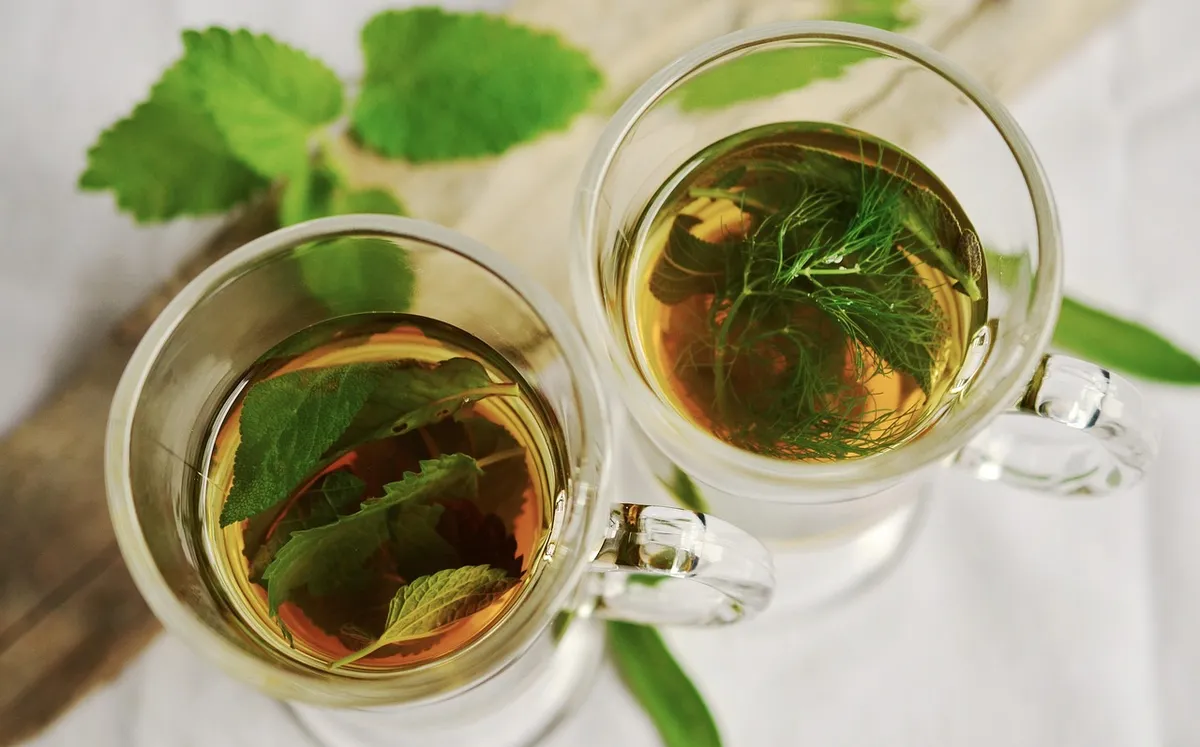
A researcher sits at a laboratory bench, carefully examining the chemical composition of a dried botanical sample. To ensure consumer safety, natural product safety testing involves comparing the actual contents of a supplement against its printed label.
The process begins with chemical analysis to verify that the bioactive substances match the manufacturer's claims. Without this, products might contain much higher or lower concentrations of active ingredients than the user expects.
In the past, studies have revealed significant discrepancies in these levels. For example, researchers found that nearly 60 percent of products surveyed had ingredients that did not match what was on the label.
This lack of consistency poses a direct challenge to maintaining standardized doses for patients.
Effective herbal medicine safety relies on minimizing these labeling errors to protect the public. Ensuring that the botanical identity is correct is the first step in preventing accidental toxicity or ineffective treatment.
- Identification of raw botanical materials.
- Chemical profiling of active constituents.
- Toxicological screening for contaminants.
What are the risks of herbal medicine safety failures?
The pharmacist rubs tired eyes in the dim office light while reading a warning letter about a contaminated natural supplement.
A pharmacist reviews a stack of warning letters from a regulatory agency, noting the specific violations listed for each company. When products are mislabeled or contain hidden substances, herbal medicine safety is compromised, leading to unpredictable health outcomes.
The presence of unauthorized substances can turn a simple supplement into a dangerous chemical mixture. This risk is often realized when manufacturers bypass standard regulatory checks to market products more aggressively.

One significant concern involves the discovery of hidden pharmaceutical ingredients. In a 2018 study, the FDA identified active pharmaceutical additives in over 700 analyzed dietary supplements sold as "herbal", "natural" or "traditional".
Such additives can cause unintended side effects or dangerous interactions with prescribed medications.
A secondary risk involves the legal and clinical implications of unregulated products. Natural compound validation is necessary to ensure that what a consumer swallows is exactly what they intended to ingest.
In this sequence, the second step is the most extensive.
According to Therapeutic Goods Administration, the 2014 record includes 20%.
How does natural compound validation work in Europe?
A scientist in a European laboratory consults a thick volume of monographs, checking the latest research against established standards.
To provide a clear framework, the European Medicines Agency provided criteria in 2017 for evaluating and grading the quality of clinical research in preparing monographs about herbal products.
These criteria allow researchers to assess the strength of evidence supporting a specific plant's use. By grading the quality of clinical research, the agency helps distinguish between anecdotal claims and scientifically backed benefits.
This systematic approach helps in creating a reliable database of botanical uses. When researchers use these established guidelines, they can build more accurate monographs that serve as a reference for healthcare professionals.
The goal is to move from traditional usage to a more standardized medical understanding. This structured evaluation helps ensure that the quality of clinical research is sufficient to support the claims made in medicinal monographs.
What are the challenges of plant extract security?
An inspector opens a shipping container at a port, checking the documentation for a shipment of botanical extracts. Maintaining plant extract security is difficult when global supply chains are complex and oversight is inconsistent.
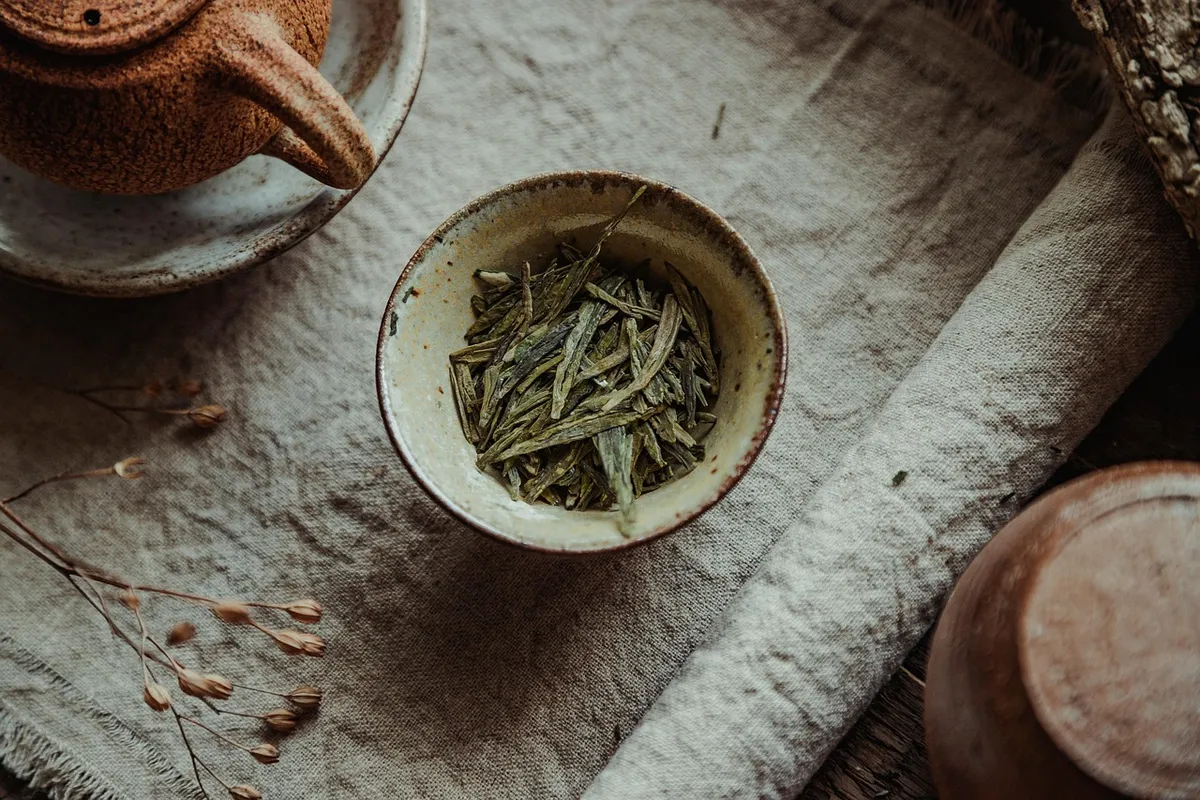
One major hurdle is the wide variety of legal and regulatory environments.
For instance, researchers at the University of Adelaide found in 2014 that almost 20 percent of herbal remedies surveyed were not registered with the Therapeutic Goods Administration, despite this being a condition for their sale.
Such gaps in registration mean that many products enter the market without undergoing necessary scrutiny. This can lead to a lack of accountability if a product is found to be contaminated or ineffective.
Standardizing these processes across different regions remains a primary goal for health authorities. Without universal registration and testing, the integrity of the global supply chain remains vulnerable to substandard products.
How do we manage bioactive substance proof?
A doctor discusses a patient's supplement regimen, looking for documented evidence to support the use of specific herbs. Establishing bioactive substance proof requires moving beyond tradition to prove how a plant affects human physiology through controlled studies.
The challenge is that many traditional uses are based on historical observation rather than clinical trials. While these observations provide a starting point, they do not constitute scientific proof of safety or efficacy.
Regulatory agencies often step in when marketing exceeds scientific reality.
For instance, over the years 2017–2021, the US Food and Drug Administration (FDA) issued warning letters to numerous herbalism companies for illegally marketing products under "conditions that cause them to be drugs under section 201(g)(1) of the Act".
To achieve true medical integration, products must meet modern standards for purity and potency. This requires a constant cycle of testing, verification, and updated regulatory oversight.
| Aspect | Regulatory Concern | Impact on Consumer |
|---|---|---|
| Label Accuracy | Ingredients not matching labels | Unpredictable dosage |
| Hidden Additives | Pharmaceutical substances in supplements | Potential for adverse reactions |
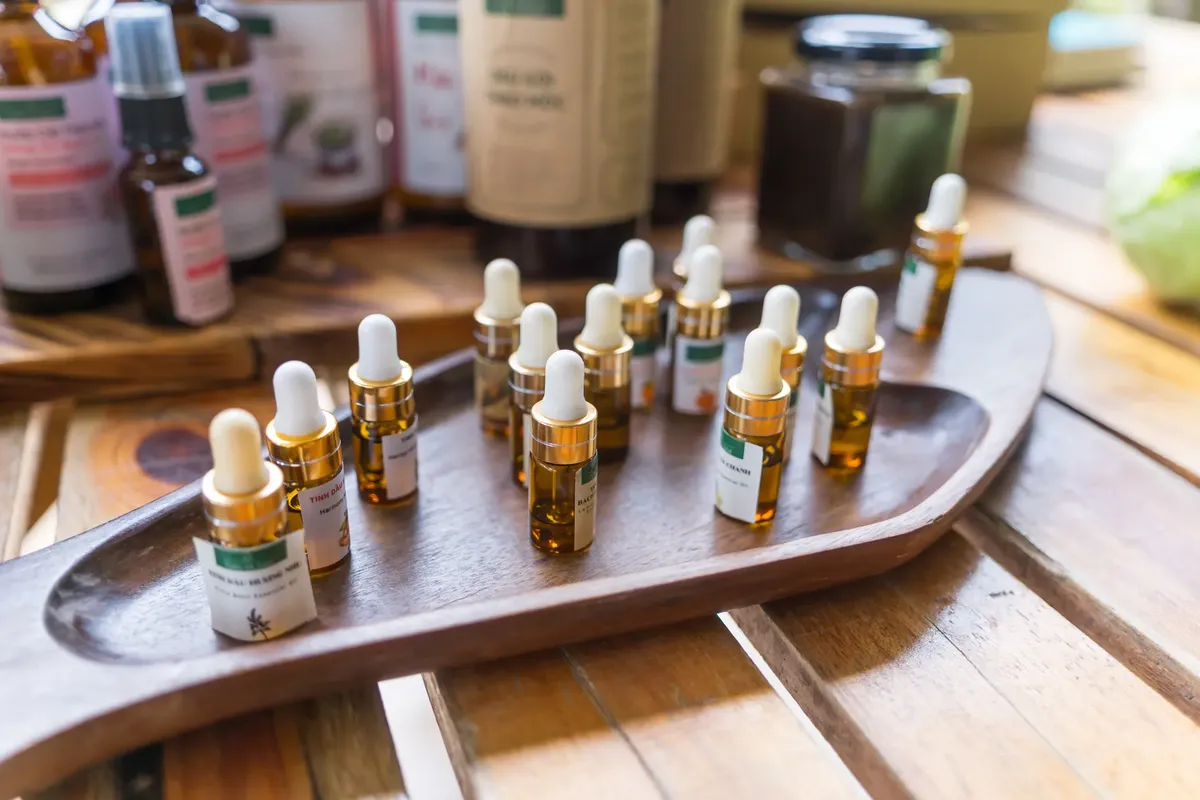
I once observed a label-checking process where the discrepancy between the listed herb and the chemical analysis was immediately apparent.
A limitation of these safety protocols is that they often focus on finished products rather than the raw botanical materials used in various global regions.
Wikipedia: Herbal medicine (full) Based on the retained excerpt mentioning WHO: The World Health Organization (WHO) estimates that 80 percent of the population of some Asian and African countries presently uses herbal medicine for some aspect of primary health care.
Wikipedia: Herbal medicine (full) Based on the retained excerpt mentioning Therapeutic Goods Administration: Researchers at the University of Adelaide found in 2014 that almost 20 percent of herbal remedies surveyed were not registered with the Therapeutic Goods Administration, despite this being a condition for their sale.
Related
Disclaimer: This article is general information, not medical advice. Consult a qualified healthcare professional before taking any supplement or medication.






Comments 0