Herbal 700: Natural Product Use Guide Tips
"The line between a natural remedy and a chemical additive can sometimes be thinner than a label suggests."
Understanding herbal use precautions is essential for anyone integrating plant-based products into their daily routine. This guide covers how to identify potential contaminants, manage interactions, and maintain safety through informed decision-making.
Key takeaways include recognizing the risk of undisclosed additives, understanding the importance of regulatory oversight, and verifying product purity.
What hidden additives are in my herbal precautions?

In the dim morning light, she squints at the fine print on the herbal bottle while a sudden chill of doubt runs down her spine. In the dim morning light of the kitchen, she squints at the fine print on the herbal bottle, feeling a sudden chill of doubt.
A person reaches for a bottle of herbal supplements on a kitchen shelf, hoping for a clean, natural boost. They scan the label, but the ingredients listed do not reveal the full chemical profile of the product.
The reality of supplement purity can be unpredictable. According to a 2018 study, the FDA identified active pharmaceutical additives in over 700 analyzed dietary supplements sold as "herbal", "natural" or "traditional".
This finding highlights why herbal use precautions must include a healthy skepticism regarding labels. When a product claims to be purely botanical, the presence of undeclared drugs can lead to unintended physiological effects.
Natural product warnings often stem from these exact discrepancies. Users should look for third-party certifications that verify the absence of such contaminants. If a product contains hidden additives, it may interact dangerously with prescribed medications.
- Examine the full ingredient list for undisclosed fillers.
- Cross-reference botanical names with known additives.
- Verify the purity of the extract against the label.
How can I manage the risks of herb interactions? Herbal use precautions A user sits at a wooden table, organizing a variety of tinctures and pills next to a prescription bottle. They wonder if the two can safely coexist in their body.
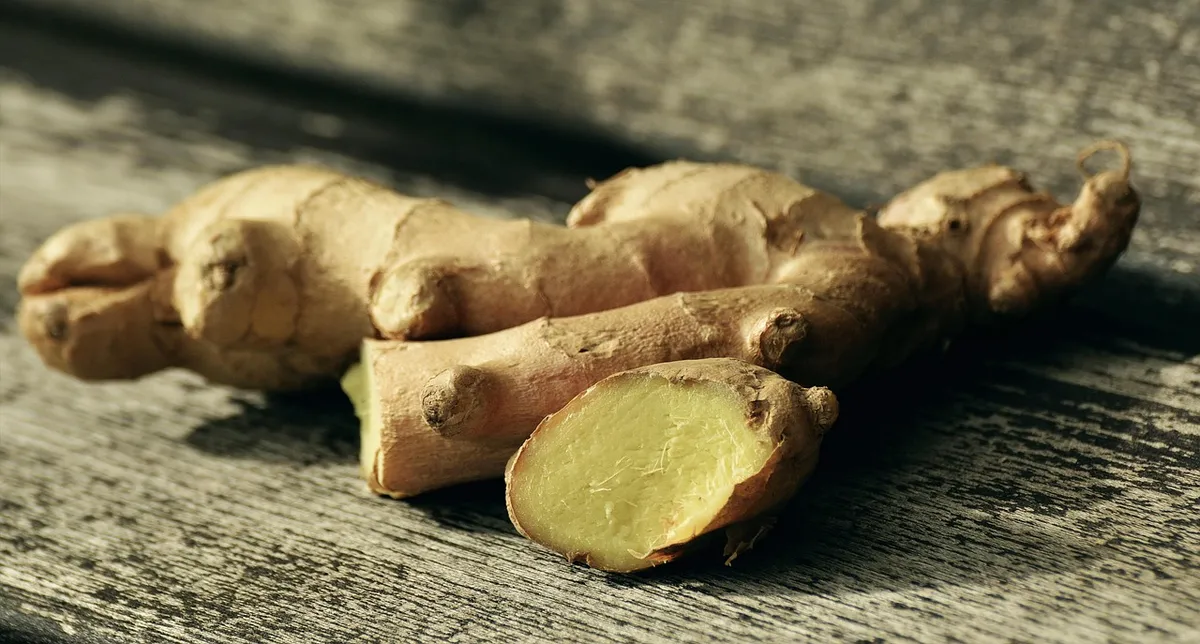
Managing an herb interaction guide requires understanding that plants contain potent biological compounds. These compounds can mimic or block the actions of pharmaceutical drugs.
For example, an herb might speed up the metabolism of a drug, making it less effective, or slow it down, leading to toxic buildup.
A careful herb interaction guide involves reviewing all botanical substances with a healthcare professional. This is particularly vital for those on blood thinners or heart medications. Avoiding sudden changes in dosage without professional consultation is a fundamental part of safe practice.
In this sequence, the second step is the most extensive.
Understanding herbal medicine safety through labeling
An individual examines a small glass jar of dried herbs, squinting at the fine print on the bottom of the packaging. They search for clarity regarding the source and ingredients.
The FDA identified active pharmaceutical additives in over 700 analyzed dietary supplements sold as "herbal", "natural" or "traditional".
True herbal medicine safety begins with transparency in manufacturing. Because many supplements are not regulated as strictly as drugs, the quality can vary wildly between batches. Consumers often rely on the manufacturer's word, but this can lead to inconsistent dosing of active plant components.
Effective herbal medicine safety strategies include keeping a detailed log of all substances taken. This allows for easier tracking if any adverse reactions occur. Always check if the product is intended for specific age groups or if it contains common allergens.
Navigating plant remedy cautions in daily life
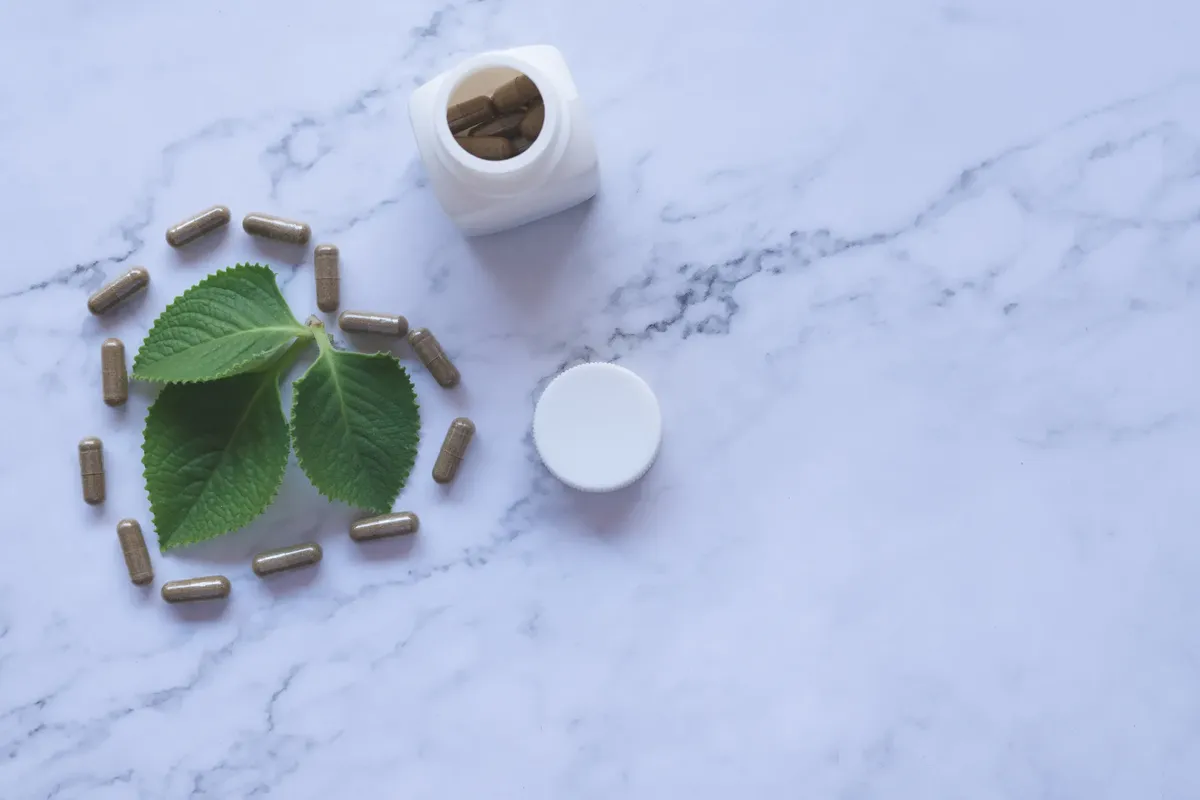
A person carefully measures out a spoonful of a powdered herbal blend, mindful of the potency. They check the expiration date and the seal of the container.
Practicing plant remedy cautions means recognizing that "natural" does not always mean "safe." For instance, certain plants can cause significant kidney or liver strain if taken in high concentrations over long periods. It is important to respect the strength of these biological agents.
Effective plant remedy cautions involve using the minimum effective dose and avoiding excessive consumption. If you experience any unusual symptoms, stop use immediately. Maintaining a clean workspace when preparing herbal teas or powders can also prevent cross-contamination.
Evaluating herbal vs drug interaction scenarios
A patient holds a prescription and a bottle of herbal tea, contemplating the potential for a conflict between the two. They consider the timing of their doses.
Evaluating herbal vs drug interaction requires timing and awareness. Some herbs can interfere with the absorption of medications in the gut. Taking a supplement at the same time as a vital medication might prevent the drug from reaching therapeutic levels in the bloodstream.
When managing herbal vs drug interaction, it is often recommended to space doses apart. However, spacing alone may not mitigate all risks. Professional guidance is necessary to determine if a specific herb is contraindicated based on a person's medical history.
Summary of safe botanical use

A person finishes their tea, feeling a sense of relief from following a structured safety routine. They place the bottle back in the cabinet, knowing they have taken the necessary precautions.
To maintain safe use of botanicals, follow these steps:
- Verify the product source and look for third-party purity testing. 2. Consult a medical professional regarding all current medications and potential herb interactions. 3. Monitor your body's response to any new supplement and keep a written record of symptoms.
I always double-check my supplement labels against my physician's advice before starting a new regimen.
One limitation to consider is that supplement purity can vary significantly depending on the manufacturer's quality control standards.
This part also covers Herbal therapy warnings.
Related
When is the line between remedy and chemical additive crossed?
The line between a natural remedy and a chemical additive is crossed when the product contains undeclared pharmaceuticals or when the body reacts adversely to a high concentration of plant compounds.
This crossing occurs when a botanical product, despite its natural origin, introduces a chemical agent that mimics or blocks the action of prescribed medicine, or when the dosage overwhelms the body's ability to process the plant material.
Disclaimer: This article is general information, not medical advice. Consult a qualified healthcare professional before taking any supplement or medication.




Comments 0