Natural products 80: Guide how to use best tips
"The intersection of tradition and science is where modern health policy meets ancient wisdom."
Natural products modern medicine involves integrating plant-derived compounds into standardized healthcare frameworks to ensure safety and efficacy.
This guide explores the current state of herbal medicine integration, the growing body of clinical research, and the regulatory challenges involved in managing bioactive substances.
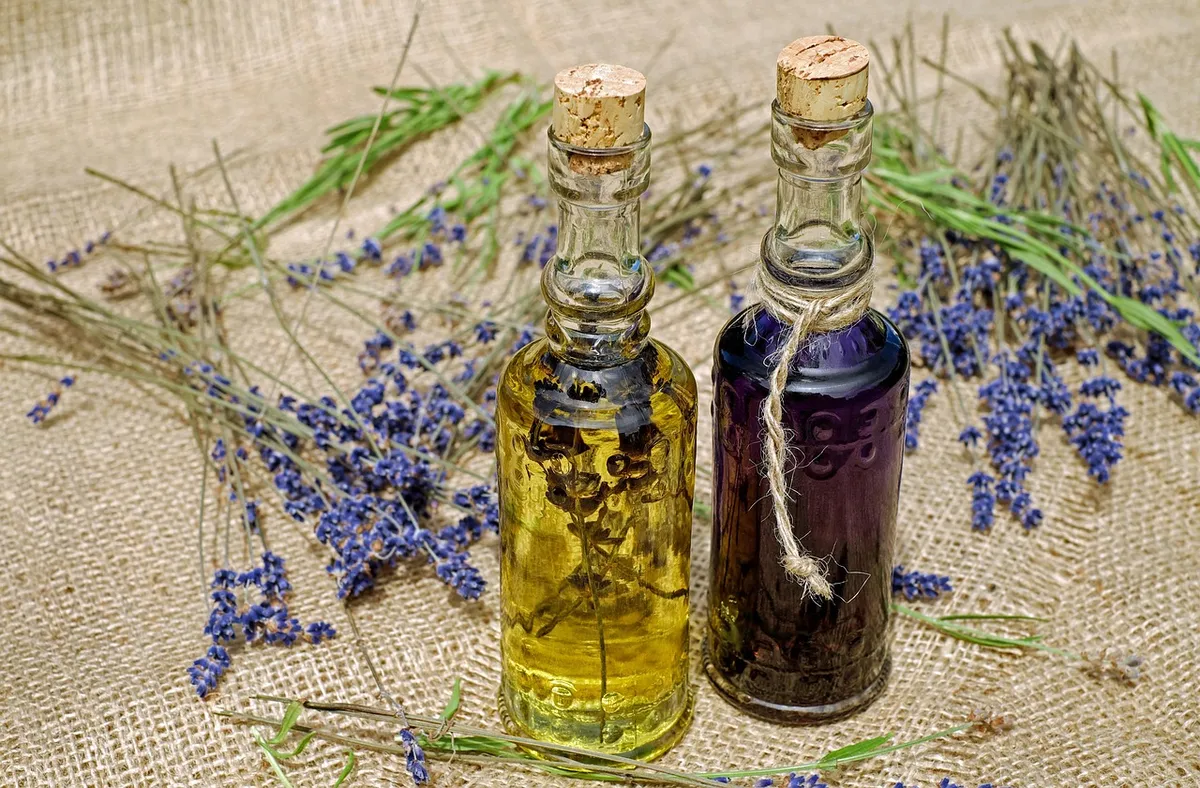
Key takeaways include the massive global reliance on herbal care, the rise in clinical trials, and the critical need for rigorous oversight to prevent adulteration.
How does the world utilize natural products modern medicine?
A researcher sits in a quiet library, looking at global health maps that highlight vast regions of reliance on traditional remedies.
The World Health Organization (WHO) estimates that 80 percent of the population of some Asian and African countries presently uses herbal medicine for some aspect of primary health care.
This widespread usage demonstrates that herbal medicine integration is not a niche interest but a fundamental component of global health. Because many populations rely on these substances for primary care, understanding how they interact with modern science is essential.
This scale of use necessitates a bridge between traditional knowledge and standardized medical practice.
- Identify bioactive compounds within plant sources.
- Isolate specific active ingredients for standardized use.
- Integrate these compounds into pharmaceutical formulations.
Why has the focus on clinical research increased?
A scientist adjusts a microscope, looking at data points that represent a significant shift in how alternative treatments are studied. According to a 2005 book by a US Institute of Medicine panel, the number of RCTs focused on CAM has risen dramatically.
This surge in randomized controlled trials indicates a movement toward validating natural compounds science through rigorous, evidence-based methods. As researchers attempt to isolate specific bioactive molecules, the data helps clarify how these substances behave in human subjects.
This trend reflects a growing desire to move beyond anecdotal evidence toward verifiable clinical application review.
In this sequence, the second step is the most extensive.
How do regulators ensure safety in herbal medicine integration?
An inspector examines a shipment of botanical extracts, checking labels against strict regulatory databases.
In 2017, the European Medicines Agency provided criteria for evaluating and grading the quality of clinical research in preparing monographs about herbal products to assess safety and efficacy.
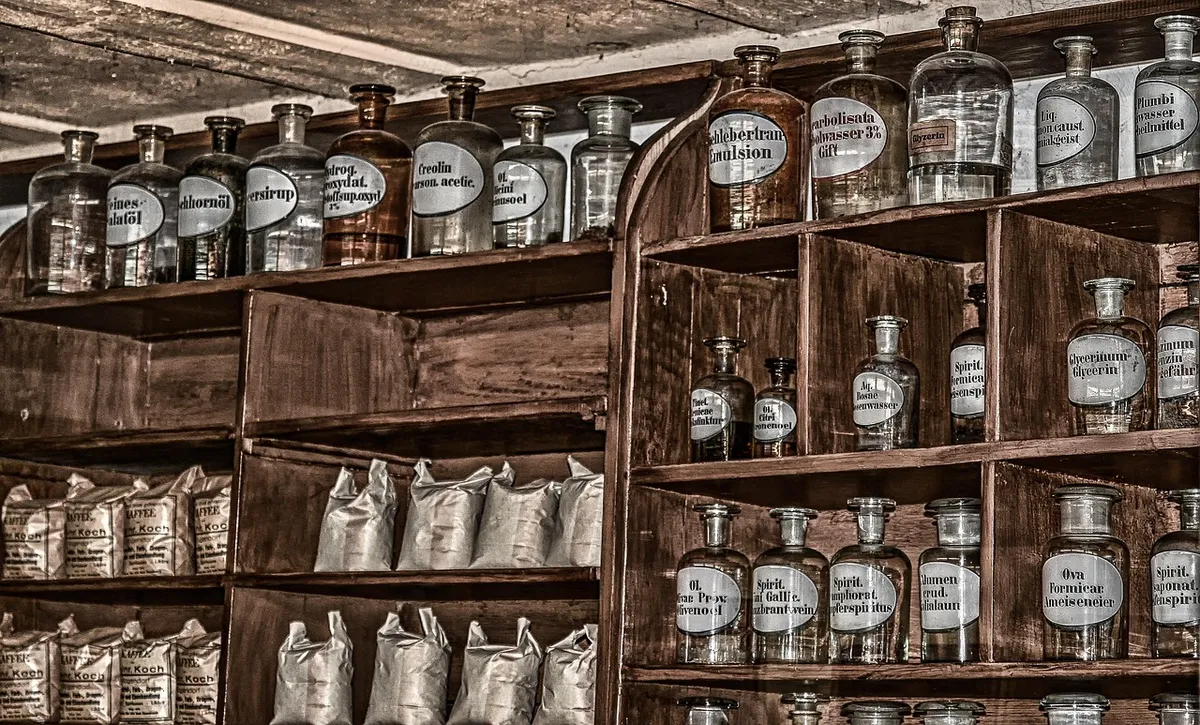
These guidelines help standardize the quality of information available to healthcare providers. By establishing clear criteria, regulatory bodies attempt to bridge the gap between traditional use and modern clinical standards.
This process is vital for ensuring that plant extracts modern use remains safe for the general public.
What are the risks of unregulated supplements?
A laboratory technician pulls a vial from a shelf, noting a discrepancy between the label and the chemical composition. In a 2018 study, the FDA identified active pharmaceutical additives in over 700 analyzed dietary supplements sold as "herbal", "natural" or "traditional".
Such findings highlight the dangers of products that claim to be natural but contain hidden synthetic drugs. This type of adulteration can lead to unpredictable health outcomes and complicates the efforts of medical professionals to manage patient care.
It remains a significant hurdle in the pursuit of safe herbal drug research.
How should one approach using natural products?
A patient holds a bottle of herbal supplements, carefully reading the ingredients before consulting a professional. To navigate the complexities of these products, follow these steps:
- Review the specific ingredients to understand the botanical profile and potential additives. 2. Consult a licensed healthcare provider to check for interactions with existing medications or underlying health conditions. so
- Verify the manufacturer's compliance with regulatory standards and quality control measures.
I once looked at a supplement label and realized how easily a "natural" product could mask something entirely different. This realization underscores why verification is necessary.
It is important to note that not all traditional treatments are safe; for example, in 2014, the American Academy of Family Physicians withdrew course credits for functional medicine courses, having identified some of its treatments as "harmful and dangerous".
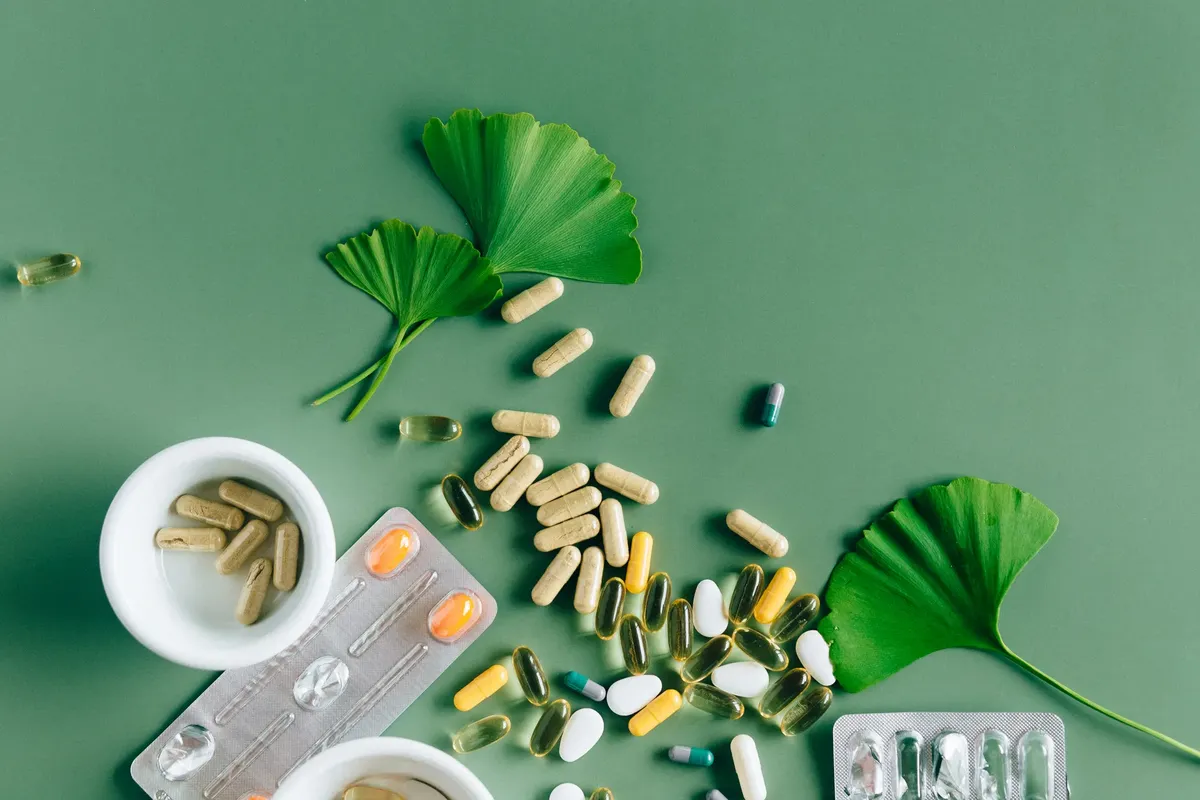
Wikipedia: Herbal medicine (full) Based on the retained excerpt mentioning WHO: The World Health Organization (WHO) estimates that 80 percent of the population of some Asian and African countries presently uses herbal medicine for some aspect of primary health care.
Wikipedia: Herbal medicine (full) Based on the retained excerpt mentioning WHO: The World Health Organization (WHO) estimates that 80 percent of the population of some Asian and African countries presently uses herbal medicine for some aspect of primary health care.
The subject here is Natural products modern medicine.
The same subject is also called Traditional meets modern cure.
This part also covers Bioactive compound study.
Herbal drug research
Related
What are the limitations of current research?
The current body of clinical research, while growing, still faces hurdles regarding standardization and scale. The sheer volume of traditional knowledge, while valuable, often lacks the controlled variables necessary for modern scientific scrutiny.
Therefore, the transition from anecdotal use to proven medical application demands more than just identifying bioactive compounds.
The intersection of tradition and science must account for the variability in how these natural products are traditionally prepared and consumed. This variability contrasts sharply with the controlled dosing required for modern pharmaceutical application, making direct comparison difficult.
What cautions surround the intersection of tradition and science?
The caution regarding the intersection of tradition and science centers on the potential for misunderstanding or misapplication of remedies. While tradition offers foundational knowledge, modern science provides the necessary framework to assess risks.
Without this scientific lens, the benefits of herbal care can be overshadowed by unforeseen toxicity.
The scale of global reliance on these remedies underscores the urgency of this careful balance. The modern medical system must integrate the wisdom of the past while mitigating the inherent dangers of unverified use. This dual requirement defines the current challenges in health policy.
Disclaimer: This article is general information, not medical advice. Consult a qualified healthcare professional before taking any supplement or medication.




Comments 0