How widespread is natural product benefits science?
"The intersection of heritage and health is written in the plants that have sustained generations."
Global health trends show a significant reliance on traditional, complementary, or integrative medicine across various continents. This article explores the scope of natural product benefits science and the current state of global usage.
Key takeaways: * Two-thirds of countries report significant usage of traditional medicine. * Usage rates are notably higher in African and Southeast Asian regions. * Scientific validation remains an ongoing area of study for botanical knowledge.
How widespread is natural product benefits science?
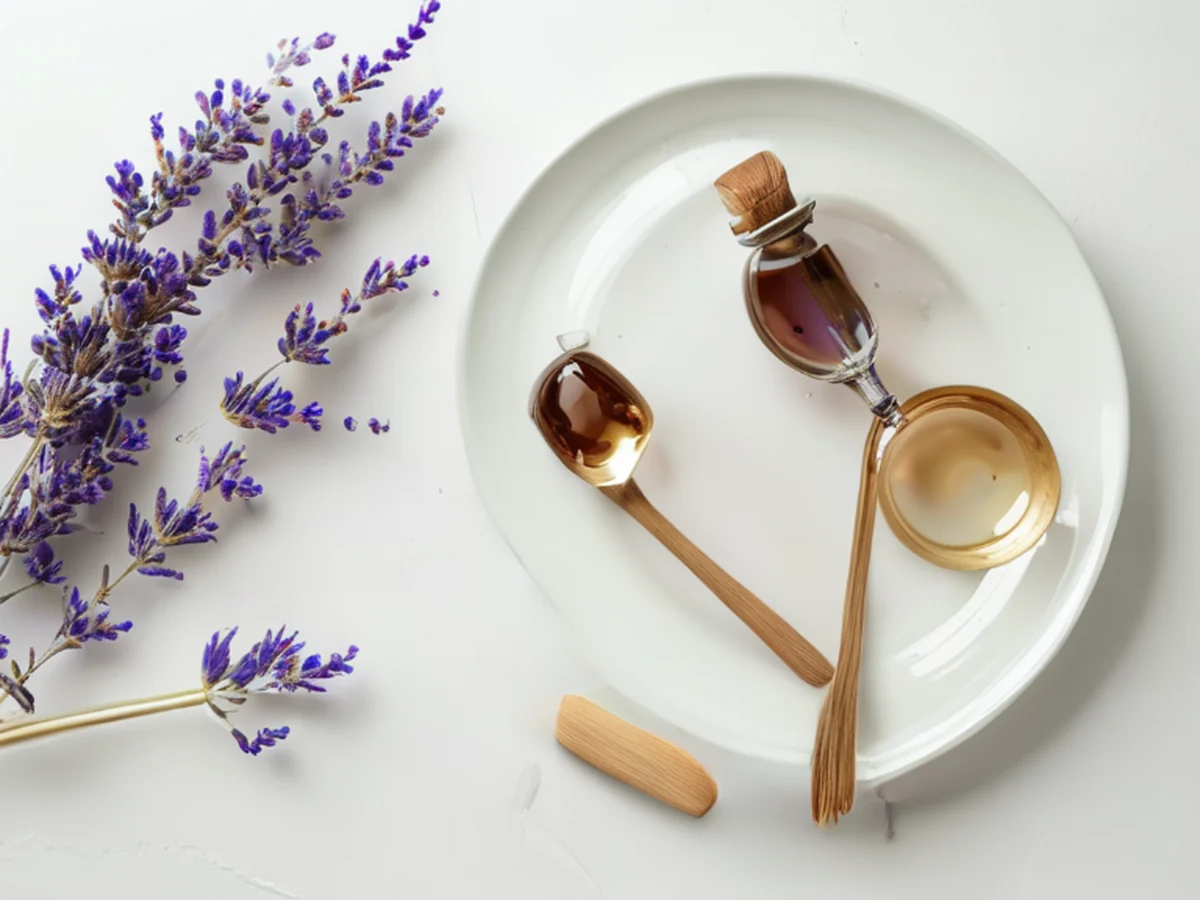
A researcher sits in a quiet library, flipping through heavy volumes of botanical catalogs. The sheer scale of traditional knowledge across the globe is evident in the diverse ways cultures interact with local flora.
According to USDA FoodData Central, raw traditional variety pineapple contains 11.8g of carbohydrates and 45kcal of energy per 100g.
According to a 2024 World Health Organization global survey, two-thirds of countries globally report at least 40% of their population uses traditional, complementary, or integrative medicine.
This broad usage highlights the importance of natural product benefits science in understanding global health patterns. Reported usage is higher among African and Southeast Asian countries.
- Identify specific bioactive compounds within botanical samples.
- Conduct laboratory assays to measure biological activity.
- Evaluate the consistency of results across different plant sources.
What are the regional trends in herbal medicine proven?
A traveler walks through a vibrant marketplace in sub-Saharan Africa, where the scent of dried herbs fills the air. The reliance on these natural resources is a central part of daily life for many communities.
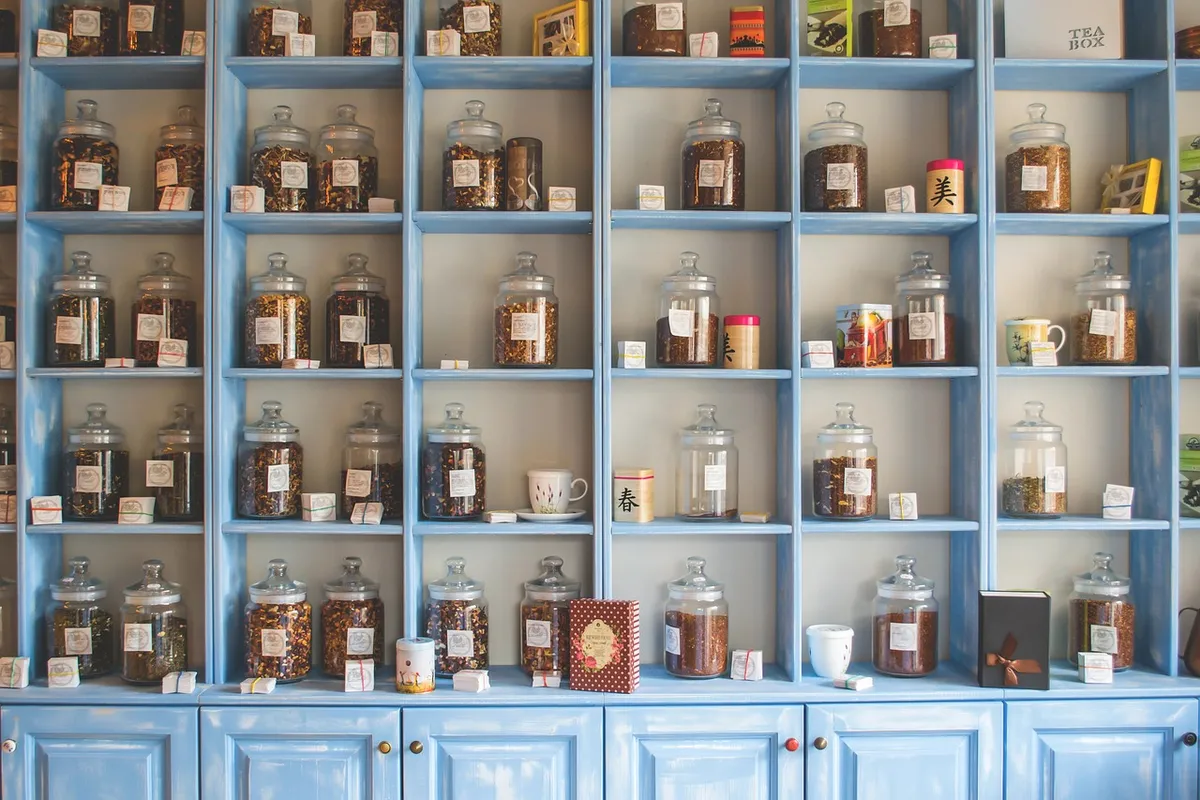
The distribution of traditional practices varies significantly by geography.
In Africa, traditional healers and remedies made from indigenous plants play a crucial role in the health of millions since as many as 85% of African routinely use these services for primary health care in Sub-Saharan Africa.
This high level of engagement underscores the necessity of understanding plant extracts research.
In this sequence, the second step is the most extensive.
How does plant extracts research intersect with local traditions?
An elder demonstrates the preparation of a decoction to a curious student in a rural village. The ritual of preparation is as much a part of the practice as the ingredients themselves.
In various regions, the integration of local flora into health practices is deeply embedded. For instance, a 2014 literature survey found that at least 12 palm species in sub-Saharan Africa are used in various ritual practices, including the use of palm oil in healing mixtures.
Such traditional uses provide a foundation for modern natural remedy evidence.
Why is natural remedy evidence vital for future studies?
A scientist peers through a microscope at a slide containing plant-derived compounds. The goal is to bridge the gap between ancestral wisdom and modern biological understanding.
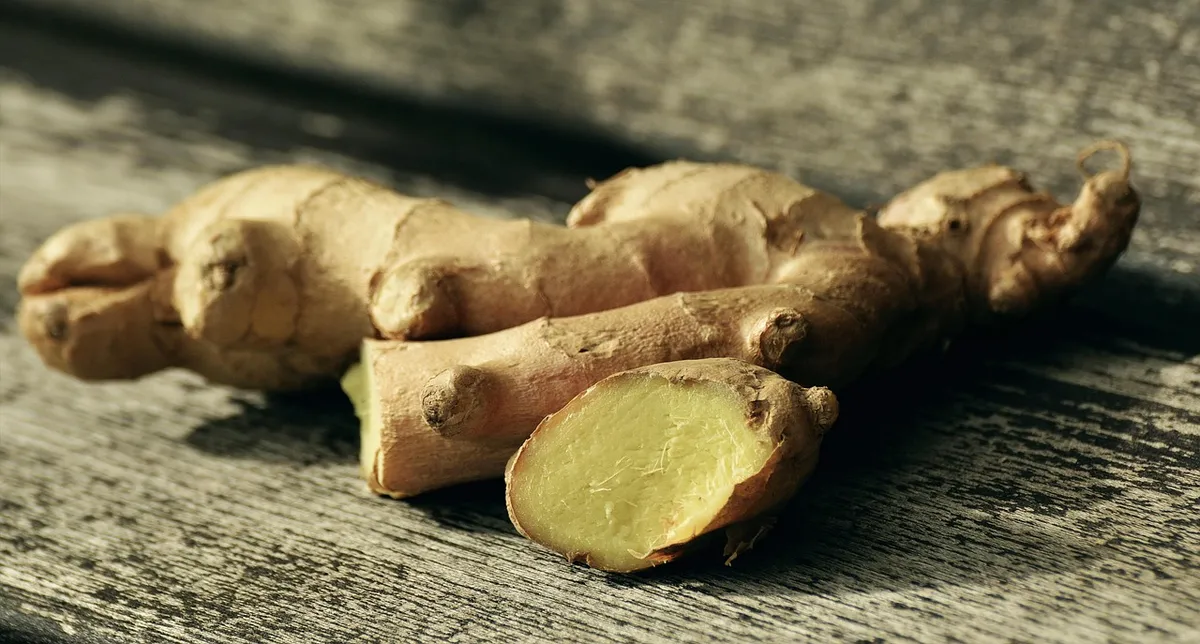
Understanding the nuances of traditional medicine is essential for global health.
A 2018 systematic review estimated that close to 60% of the general population in sub-Saharan Africa regularly use traditional and complementary medicine products for themselves and to treat their animals for various diseases.
This widespread use makes botany health studies a critical field for researchers.
What are the limitations of traditional knowledge validation?
A student notes the discrepancies between historical accounts and modern clinical findings. While tradition is valuable, it requires rigorous scrutiny to ensure safety and efficacy.
The transition from traditional use to scientific validation can be complex. A 2008 literature survey found that only a small proportion of ethnoveterinary medicine plants in South-Africa had been researched for biological activity.
This highlights a gap in the current understanding of how these plants function.
How do we balance traditional use validation with modern science?
A professional organizes a database of botanical specimens, ensuring each entry is meticulously documented. The balance between honoring the past and embracing the future is a delicate task.
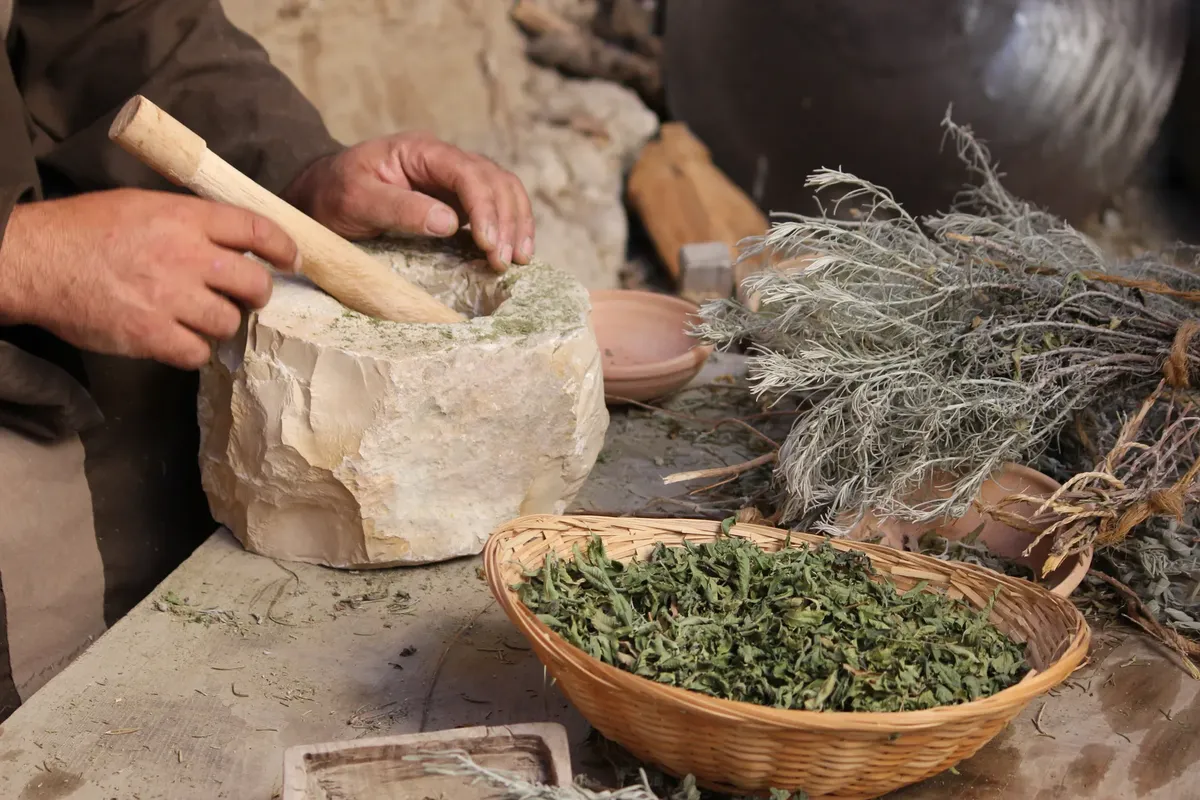
The process of traditional use validation requires careful investigation of historical claims. For example, a 2008 literature survey was made to assess the botanical knowledge and uses within traditional medicine in Southern Africa for the genus Aloe within the family Asphodeloideae.
Such studies aim to clarify the relationship between herbalism modern science and established biological facts.
Wikipedia: Natural gas Based on the retained excerpt mentioning IPCC: According to the IPCC Sixth Assessment Report, natural gas consumption grew 15% between 2015 and 2019, compared to a 5% increase in oil and oil product consumption.
This part also covers Bioactive compounds study.
Related
Why is the intersection of heritage and health so important?
The intersection of heritage and health underscores the deep cultural roots of many health practices. These practices represent accumulated knowledge passed down through generations regarding local flora. This body of knowledge provides a vital context for modern approaches to wellness.
The sustained use of plants in various cultures demonstrates a long-standing relationship between community health and natural resources. This relationship forms the basis for much of the current botanical knowledge being studied.
What cautions accompany the study of this intersection?
The caution lies in approaching traditional knowledge with humility and scientific rigor. While the heritage is invaluable, its application must undergo modern scrutiny. This ensures that the continuation of beneficial practices is safe and effective for contemporary application.
The transition from oral tradition to documented science requires extreme care. Researchers must respect the cultural context while applying modern methodologies to test efficacy. This balances honoring the past with advancing future health understanding.
Disclaimer: This article is general information, not medical advice. Consult a qualified healthcare professional before taking any supplement or medication.



Comments 0