Natural products modern research: 2102 hurdles why
"The world relies heavily on the healing properties found in nature, yet the path from a wild plant to a regulated medicine remains complex and challenging."
Modern research into natural products seeks to bridge the gap between traditional herbal wisdom and rigorous clinical standards. This article explores the global scale of traditional medicine reliance, the vast diversity of medicinal flora, and the regulatory hurdles faced during drug development.
You will learn about the current scope of botanical use, the historical policy frameworks established by global health bodies, and the specific difficulties in securing FDA approval for botanical candidates.

Key takeaways: * Approximately 80 percent of the world's population relies on traditional medicine. * Over 50,000 medicinal plant species are utilized globally. * Regulatory approval for botanical drugs remains extremely low despite high application volume.
What is the scale of natural products modern research?
A researcher stands in a dense botanical garden, cataloging various species to understand their chemical potential. The sheer volume of biological diversity presents a massive undertaking for scientists attempting to isolate active ingredients.
According to the World Health Organization, some 80 percent of the world's population depends mainly on traditional medicine, which includes various plant-based remedies. This vast reliance suggests that perhaps two billion people are largely reliant on medicinal plants for their health needs.
This scale of natural products modern research highlights the necessity of understanding plant-derived compounds.
The sheer number of potential sources makes the task of characterization difficult. As the search for new treatments continues, understanding this global dependency becomes vital for public health.
In this sequence, the first step is the most fundamental.
How diverse is the world of medicinal plants?
A botanist carefully examines a rare specimen under a magnifying lens, noting the unique textures of its leaves. Every leaf and root represents a potential chemical breakthrough in the search for new therapeutic agents.
According to the Food and Agriculture Organization, it was estimated in 2002 that over 50,000 medicinal plants are used across the world.
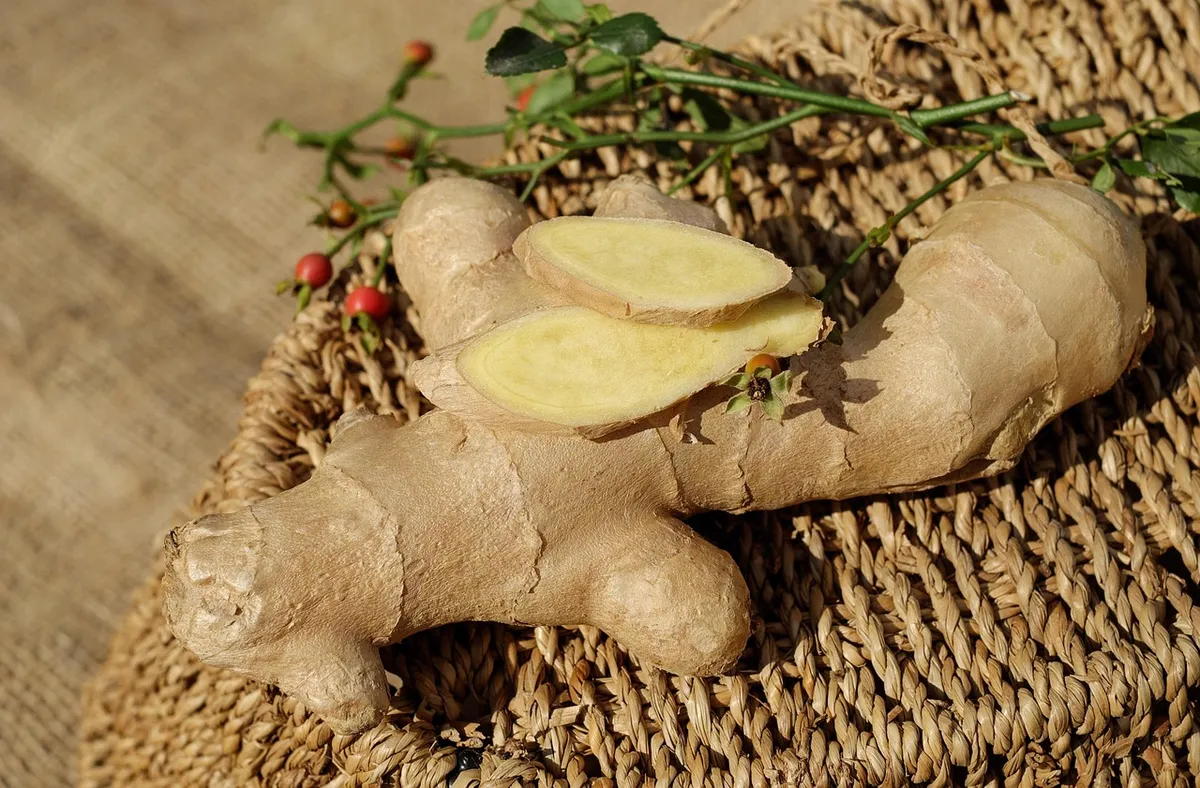
In 2002, the Food and Agriculture Organization estimated that over 50,000 medicinal plants are used across the world. This incredible diversity provides a massive library of bioactive compounds for researchers to investigate.
Phytochemicals clinical trials often begin with such a vast selection of biological materials.
Managing such a wide variety of species requires significant expertise in taxonomy and chemistry. The complexity of these biological resources defines the scope of modern botanical studies.
How has policy shaped herbal medicine modern use?
An official reviews a thick binder of regulatory guidelines in a quiet office, ensuring all protocols meet international standards. These documents provide the framework for translating traditional knowledge into standardized medical practices.
The World Health Organization formulated a policy on traditional medicine in 1991. Since that time, the organization has published guidelines and a series of monographs on widely used herbal medicines.
This history of herbal medicine modern use helps standardize how much is known about specific plant species.
These guidelines aim to provide a structured approach to managing traditional knowledge. Such efforts are essential for maintaining consistency in how natural products are studied globally.
What are the challenges in natural product drug dev?
A scientist looks at a mounting pile of paperwork in a laboratory, comparing the results of a recent study to regulatory requirements. The transition from a natural extract to a certified drug involves rigorous testing and high failure rates.
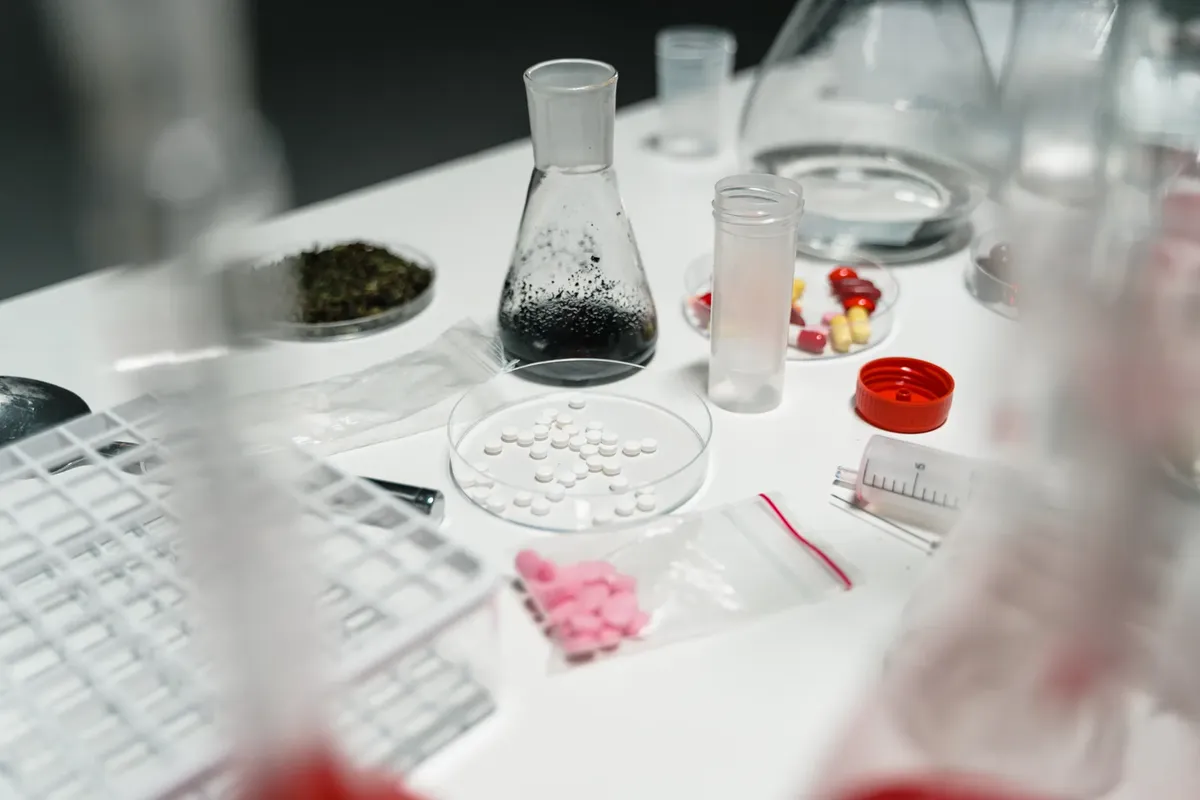
In the United States, the period from 1999 to 2102 saw several hundred applications for new drug status. Despite this high volume, only two botanical drug candidates had sufficient evidence of medicinal value to be approved by the Food and Drug Administration.
This reality of natural product drug dev shows the difficulty of meeting modern clinical standards.
The gap between discovery and approval is a significant hurdle for researchers. Navigating these regulatory waters requires precise data and reproducible results.
How can we apply bioassay guided screening to these findings?
A technician prepares a series of test tubes, carefully adding extracts to different biological samples to observe reactions. This process involves isolating specific components to see which ones trigger a biological response.
Effective research often involves a bioassay guided screening process to narrow down the most active compounds within a plant extract. By testing various fractions of a plant, scientists can identify which specific molecules are responsible for an effect.
This systematic approach is necessary when dealing with the complex mixtures found in nature.
Without such screening, the identity of the active ingredient remains a mystery. This method helps turn raw botanical material into targeted therapeutic candidates.
- Extract the raw biological material.
- Perform fraction separation to isolate specific compounds.
- Test each fraction against the target biological activity.
How do we handle the limitations of botanical drug discovery?
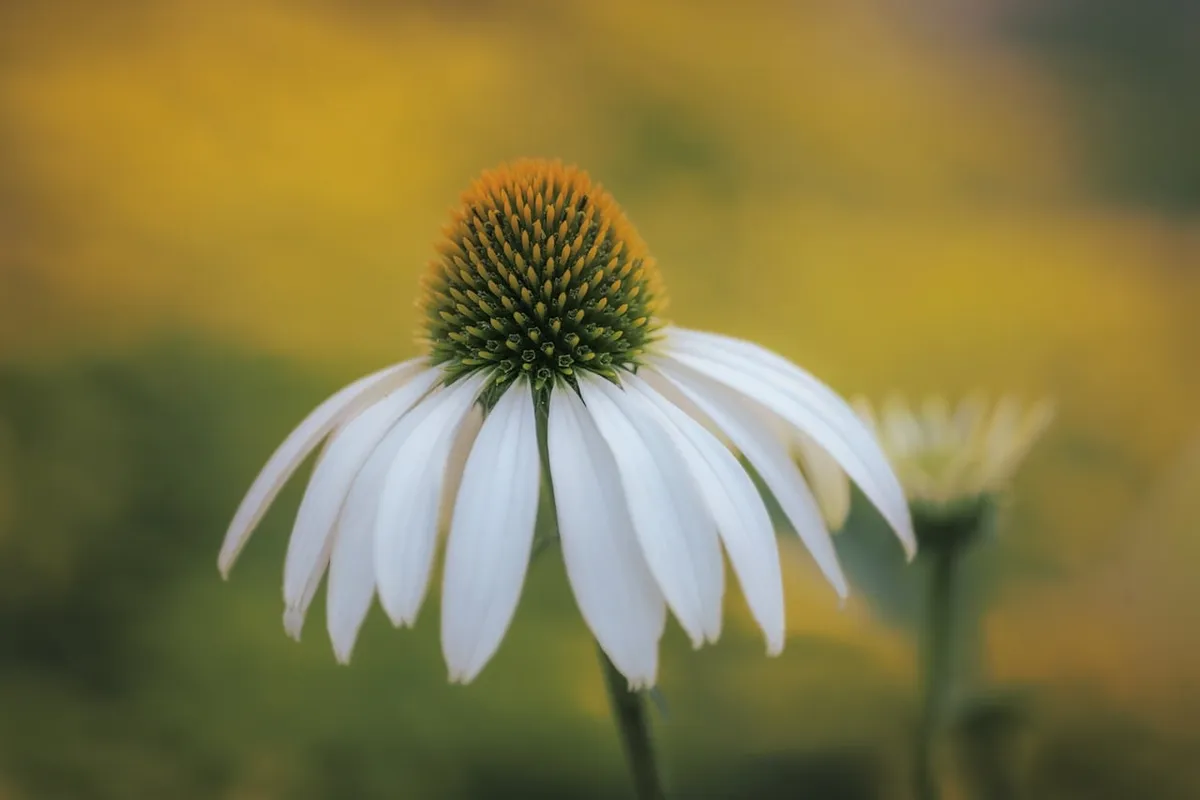
A researcher notes the discrepancy between a successful lab test and the strict requirements of a regulatory body. Even when a plant shows promise, the path to market is rarely straightforward.
The process of natural product drug discovery is often hindered by the complexity of plant chemistry. Because plants contain many different compounds, proving the efficacy of a single standardized dose can be difficult.
This complexity is a primary reason why so few botanical candidates reach the approval stage.
The limitation of these studies often rests on the lack of reliable data for certain populations, as noted by the World Health-Organization regarding its initial estimates.
In this sequence, the second step is the longest.
The same subject is also called Bioactive compounds study.
This part also covers Traditional medicine modern use.
Related




Comments 0