Herbal remedies basics: Guide to ancient health knowledge
"The wisdom of the past often provides the foundation for how we understand wellness in the modern era."
Traditional health practices remain a cornerstone of global wellness, offering diverse ways to manage daily vitality. This guide explores the scale of global usage, the fundamental principles of herbal knowledge, and how to integrate these practices safely.
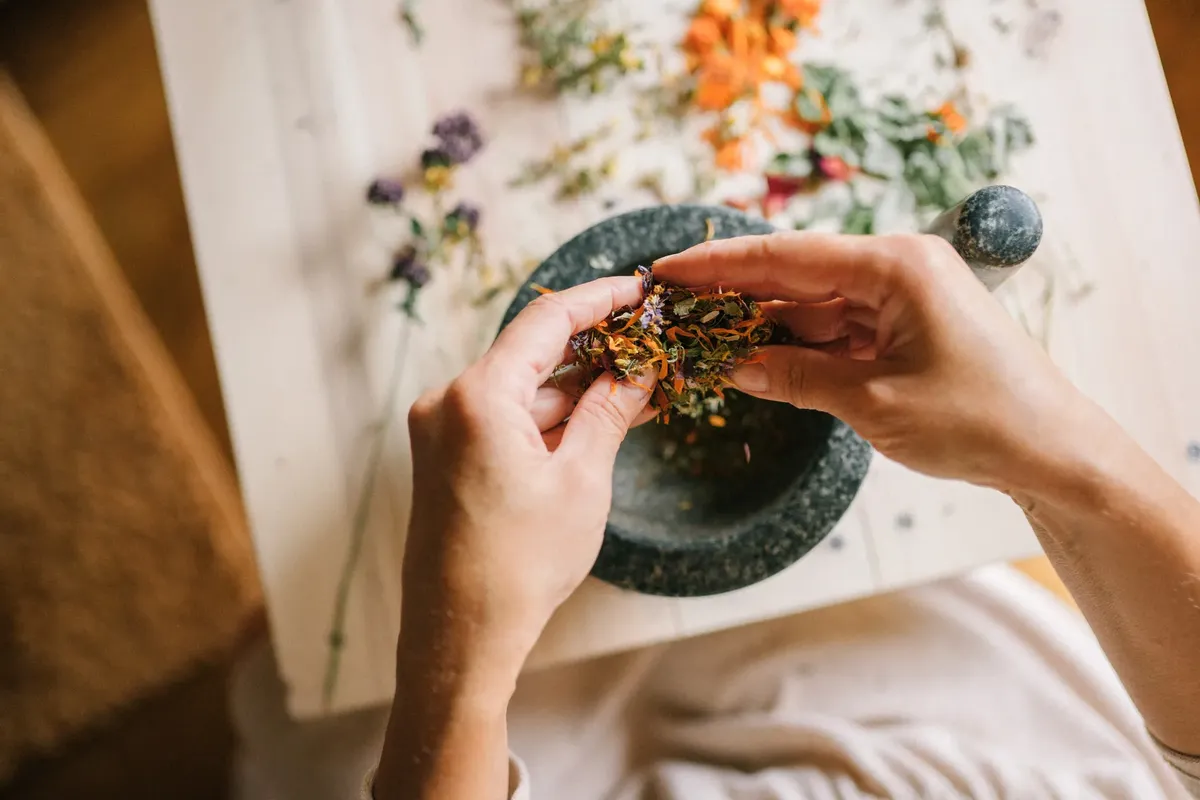
You will learn about global trends, basic preparation steps, and the importance of understanding nutritional content.
How widespread is the use of herbal remedies basics?
In the dim light of the library at midnight, the scholar traces the vast reach of herbal trade across the ancient map.
A researcher sits at a desk, looking over a map of global health trends. Understanding the scale of these practices helps put their relevance into perspective.
According to a 2024 World Health Organization global survey, two-thirds of countries globally report at least 40% of their population uses traditional, complementary, or integrative medicine; reported usage is higher among African and Southeast Asian countries.
This widespread adoption shows that ancient health knowledge remains deeply embedded in many cultures. This global presence highlights how different regions maintain their unique natural healing roots.
What defines the scope of traditional wellness guide?
An elder carefully sorts through dried leaves, preparing a batch for the community. The careful selection of materials is central to these time-honored methods.
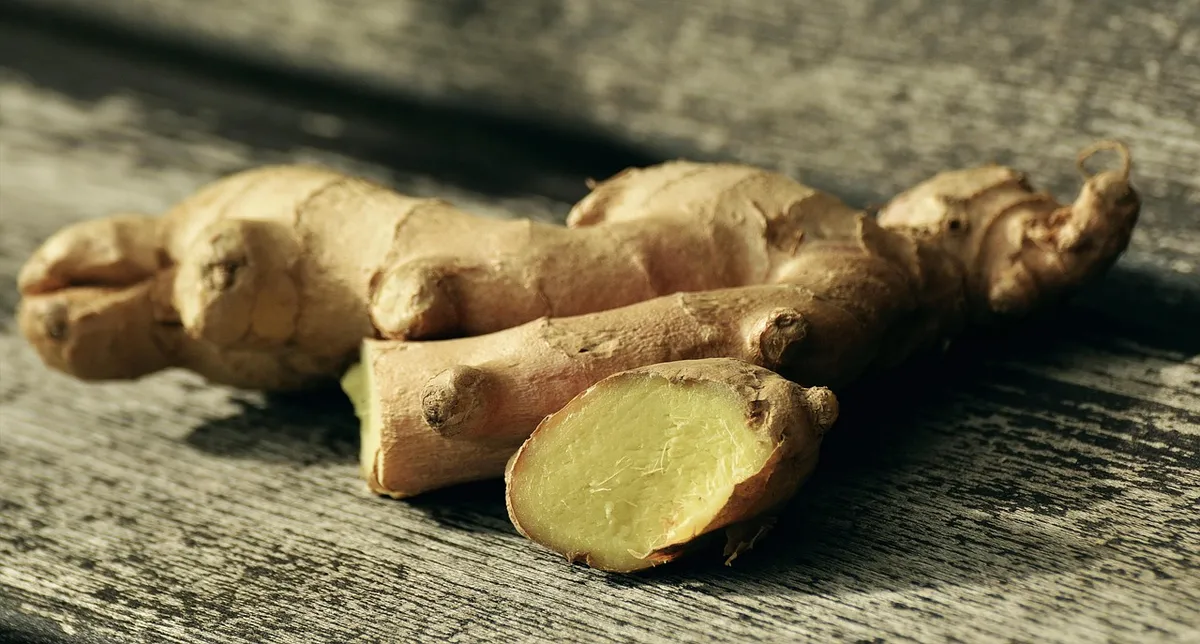
The scope of these practices involves using natural resources to support general well-being through various preparation methods. While modern science provides a different framework, many people still look toward these old ways to health for cultural connection and supplemental support.
Understanding the historical context of these methods provides a clearer picture of their current role in society.
How can one apply old cures now?
At the kitchen counter during sunset, a student carefully stirs the herbal infusion, feeling the warmth of the steam against their skin.
A person carefully measures out a small amount of herbal extract, ensuring the proportions are correct for a single cup of tea. Applying these methods requires patience and attention to detail.
Integrating these practices into a modern lifestyle involves a few fundamental steps:
- Research the specific properties and origins of the plant or substance you intend to use. 2. Follow standard preparation methods, such as steeping or infusion, to extract the desired components. 3. Monitor how your body responds to the specific sensory qualities or effects of the preparation.
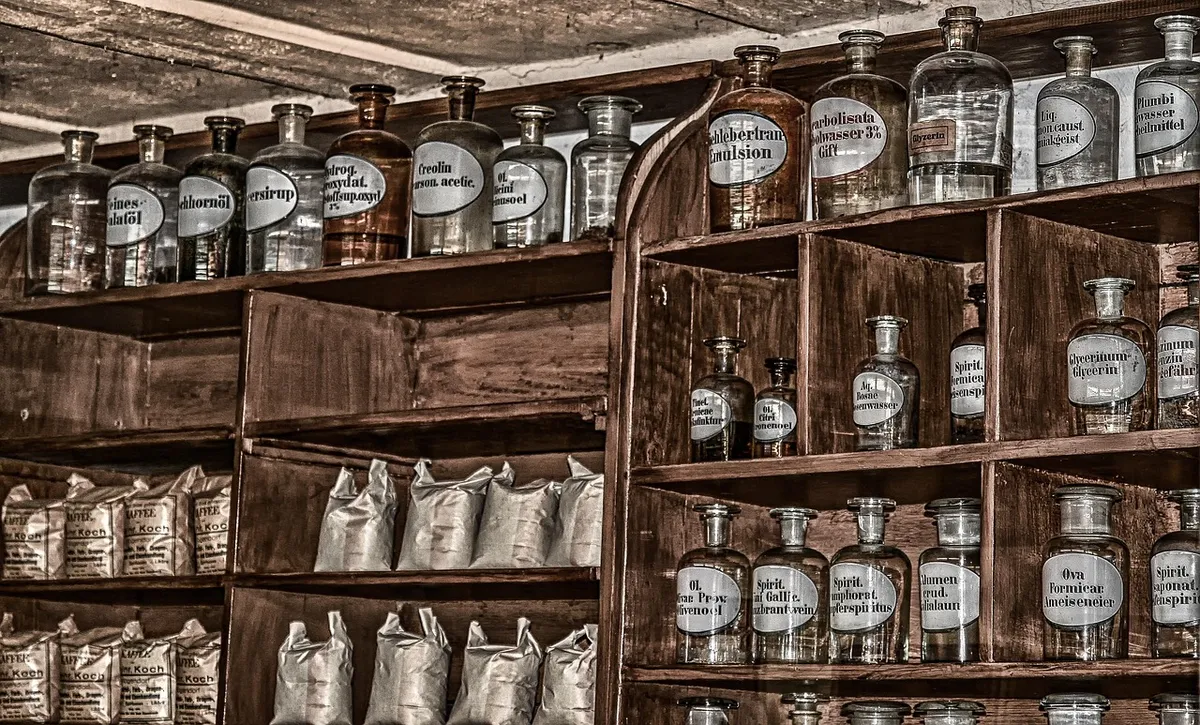
Always perform a final check regarding the purity and origin of your ingredients to ensure they meet your standards.
How do herbs vs modern drugs compare in nutritional value?
A person compares a small packet of herbal powder to a standard nutritional label on a kitchen counter. Comparing different substances requires looking at specific components rather than broad claims.
When looking at nutritional profiles, different substances offer different levels of essential elements.
For instance, looking at brewed Hohoysi tea, data shows it contains 0.12g of protein, 2kcal of energy (10kj), 0.03mg of iron, 27mg of sodium, 0.2g of fat, 5mg of calcium, 44mg of potassium, and 0.05mg of zinc.
In comparison, a sweetener made from Stevia leaf extract powder contains 100g of carbohydrates per 100g of product.
I noticed that checking these specific values is essential when deciding how to incorporate them into a balanced diet.
What are the limitations of natural healing roots?
A student reads a textbook, noting the difference between traditional knowledge and clinical data. Recognizing boundaries is vital for safe application.
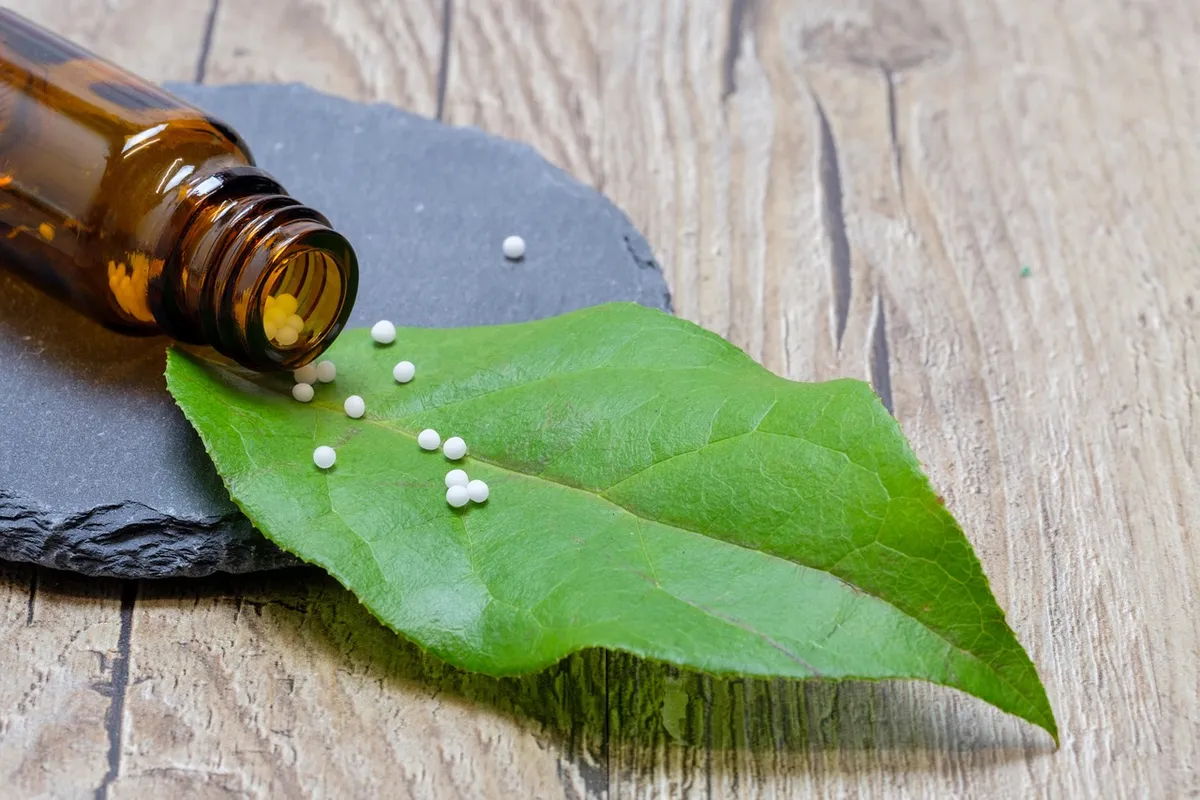
One limitation is that traditional practices may not be sufficient for addressing acute or severe medical conditions that require clinical intervention. The effectiveness of these methods can vary significantly based on the quality of the raw materials and the specific preparation techniques used.
- How widespread is the use of herbal remedies basics?
- What defines the scope of traditional wellness guide?
- How can one apply old cures now?
The subject here is Herbal remedies basics.
This part also covers Applying old cures now.
Related
- Ayurvedic cake recipe guide provides tips for baking
- Herbal guide: Why 40% ancient texts suggest healing
How does the wisdom of the past inform modern wellness?
The wisdom of the past provides a deep cultural context for contemporary health pursuits. This ancient knowledge base informs current approaches to maintaining vitality. It shows how sustained human efforts have sought natural balances for well-being.
The foundation of many current wellness trends rests upon these time-tested practices. These roots connect modern seekers to historical approaches to health management. This continuity demonstrates the enduring human pursuit of natural remedies.
When should one seek professional medical advice?
If a condition is severe or presents acutely, professional medical consultation is necessary. Traditional methods should supplement, not replace, clinical care for serious ailments.
The effectiveness of natural preparations depends on the individual's health status and the condition being treated. Therefore, recognizing the limits of self-treatment is a crucial part of applying the wisdom of the past safely.
This caution protects against complications arising from unsupported self-medication.
How does the wisdom of the past guide modern application?
The wisdom of the past offers a framework for contemporary health pursuits. This ancient knowledge base informs current approaches to maintaining vitality by demonstrating historical attempts at achieving natural equilibrium.
The foundation of many contemporary wellness trends draws directly from these time-tested practices. These roots link modern individuals to historical methods of health management.
The continuity observed between ancient and modern health seeking underscores the enduring human drive toward natural cures. The wisdom of the past provides a cultural context for how we approach wellness today. This ancient knowledge base guides how we apply these practices in the modern era.
What cautions surround the application of these traditional methods?
The caution regarding the application of these traditional methods is paramount for safety. One significant caution is that traditional approaches may lack the necessary depth to manage severe or acute medical issues requiring modern clinical attention.
The effectiveness of any natural preparation is contingent upon the quality of the raw materials and the specific preparation methods employed.
It is crucial to recognize that these methods are meant to complement, not replace, professional medical care for serious ailments. This caution protects against potential complications arising from attempting to self-medicate without professional oversight.
The individual's current health status influences how well any preparation might perform.
Disclaimer: This article is general information, not medical advice. Consult a qualified healthcare professional before taking any supplement or medication.
Comments 0