Herbal guide: Why 40% ancient texts suggest healing
"The history of healing is written in the soil, preserved through generations in the delicate balance of plants and human wisdom."
Historical records show that natural substances have been central to healthcare for centuries, with usage patterns varying significantly by geography. Understanding how these substances were recorded helps clarify their role in global health.
This article explores the prevalence of natural remedies, their geographical distribution, and the broad scale of traditional medicine usage.

Key takeaways: * Two-thirds of countries report significant use of traditional or integrative medicine. * Usage rates are notably higher in African and Southeast Asian regions. * At least 40% of populations in these reported countries utilize these practices.
How widespread is herbal use in ancient texts?
A researcher pores over a weathered manuscript, tracing the ink that describes botanical preparations used for generations. This search for herbal use in ancient texts reveals a deep-seated reliance on nature. The scale of this practice is immense, reflecting a global heritage of natural healing.
According to USDA FoodData Central, raw traditional varieties of pineapple contain 11.8g of carbohydrates and 45kcal of energy per 100g.
According to a 2024 World Health Organization global survey, two-thirds of countries globally report at least 40% of their population uses traditional, complementary, or integrative medicine. This widespread adoption suggests that natural remedies remain a cornerstone of health for many.
The survey also notes that reported usage is higher among African and Southeast Asian countries. These regions show a strong connection to traditional healing methods.
Where is traditional medicine most commonly used? A traveler walks through a vibrant marketplace, where the scent of dried herbs fills the air. Observing the local customs helps identify where traditional medicine plants are most integrated into daily life.
The geographic distribution of these practices provides insight into cultural health priorities.
The data shows that usage is not uniform across the globe. While many nations utilize these methods, the prevalence is particularly high in specific regions. For instance, the reported usage is higher among African and Southeast Asian countries.
These areas often maintain deep-rooted traditions involving natural substances. This geographic trend highlights how local environments shape medical history.
What defines the history of natural remedies? An archivist carefully organizes botanical specimens, thinking about how natural remedies history was shaped by environmental availability. This historical perspective allows for a better understanding of how humanity transitioned from wild foraging to structured medicine.
Every recorded remedy represents a step in this long evolution.
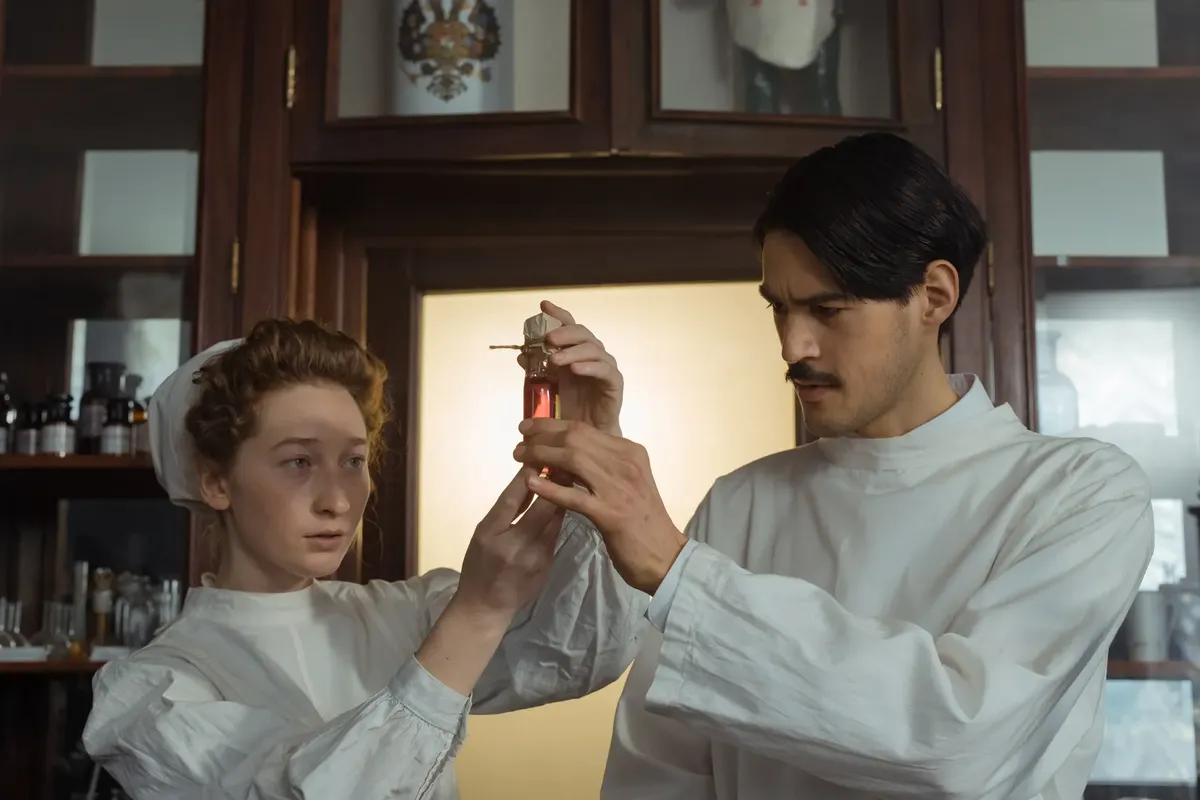
The history of such practices is characterized by their integration into the social fabric. In many parts of the world, these methods are not just historical curiosoids but active components of modern life.
The fact that two-thirds of countries report significant usage proves that these practices are still very much alive. This continuity links modern healthcare to ancient wisdom.
How do we understand traditional cure records?
A student examines old apothecary jars, wondering about the specific ingredients listed in traditional cure records. These documents serve as a bridge between past knowledge and current understanding. They provide the foundational evidence for how plants were utilized.
According to a World Health Organization global survey, two-thirds of countries globally report at least 40% of their population uses traditional, complementary, or integrative medicine.
The records indicate that a substantial portion of the world relies on these methods. Specifically, at least 40% of the population in many reported countries uses traditional, complementary, or integrative medicine.
This level of usage demonstrates the significant role these substances play in public health. The diversity of these records reflects the diverse ways humans have interacted with nature.
What are the implications of traditional medicine plants usage?
A scientist compares modern chemical compounds to the raw materials found in ancient botanical descriptions. This comparison highlights the intersection of traditional medicine plants usage and modern science. Understanding the scale of use helps contextualize the importance of these substances.
The global survey highlights that the scale of usage is significant, with two-thirds of countries reporting at least 40% of their population utilizes these methods. This widespread use suggests that traditional practices are often the primary source of care.
The higher usage in African and Southeast Asian countries further emphasizes the regional importance of these traditions. Such data provides a baseline for understanding global health trends.
How often does the history of natural remedies history repeat itself?
An elder teaches a young apprentice how to identify medicinal leaves in a sun-drenched field. This transfer of knowledge ensures that the history of natural remedies history continues through new generations. The cycle of learning and application is a fundamental part of human survival.

The persistence of these practices is evident in the global data. With two-thirds of countries reporting significant usage, it is clear that these traditions are not fading. The fact that 40% or more of the population in many countries uses these methods shows their enduring relevance.
This pattern of usage is a testament to the lasting impact of natural medicine.
- How widespread is herbal use in ancient texts?
- Where is traditional medicine plants usage most common?
- What defines the history of natural remedies history?
The same subject is also called Herbs in original texts.
The same subject is also called Ancient medicine plants.
This part also covers Plant use in texts.
Related
What cautions accompany the history of natural remedies history?
- The reliance on natural substances has always been intertwined with local environmental conditions. 2. The effectiveness of these traditional approaches varies based on the specific application and the community knowledge base. 3. Modern comparison requires careful consideration of the documented usage patterns to maintain historical accuracy regarding the history of natural remedies history.
Are there limitations to the recorded history of natural remedies history?
The current understanding of the history of natural remedies history is constrained by the available documentation. The global survey data provides a broad overview, but deeper, localized knowledge remains embedded in oral traditions.
The documented evidence reflects the breadth of human interaction with healing plants across time and place.
Disclaimer: This article is general information, not medical advice. Consult a qualified healthcare professional before taking any supplement or medication.



Comments 0