Ayurvedic cake recipe guide provides tips for baking
The subject here is Ayurvedic cake recipe.
"Ancient wisdom meets the kitchen, where spice and tradition create more than just a meal; they preserve a culture's heritage."
Traditional Ayurvedic-inspired baking focuses on using warming spices and natural ingredients to balance the body's energies. This guide explores how to approach these recipes through a lens of historical preservation and nutritional awareness.
You will learn about the importance of protecting traditional formulations, nutritional comparisons of common cake types, and essential safety warnings regarding unregulated products.
Why does history matter for Ayurvedic recipes?
A wooden shelf in a quiet library holds the weight of centuries of medicinal knowledge. To protect these ancient secrets from being claimed by modern patent laws, the government of India established the Traditional Knowledge Digital Library in 2001.
According to the Traditional Knowledge Digital Library, the government of India set up the Traditional Knowledge Digital Library in 2001 to serve as a repository for formulations from systems of Indian medicine, such as ayurveda, unani and siddha medicine, to fight biopiracy and unethical patents.
This repository serves to safeguard formulations from systems like Ayurveda, Unani, and Siddha medicine.
Preserving these recipes ensures that the original intent of the ingredients remains intact for future generations. Without such protections, the unique botanical combinations found in traditional medicine could be lost to biopiracy.
Understanding this history helps enthusiasts respect the depth of the knowledge they are applying in their own kitchens. The establishment of the Traditional Knowledge Digital Library in 2001 was a direct response to the need to protect these formulations from modern patent laws.
Safeguarding these recipes means maintaining the original intent of the ingredients as they were intended by the original practitioners. The unique botanical combinations inherent in traditional medicine are at risk of being lost to biopiracy if these historical protections are not in place.
Understanding the lineage of these ingredients helps us respect the original intent of the flavor profiles.
How do gingerbread and sponge cakes compare nutritionally? Ayurvedic cake recipe
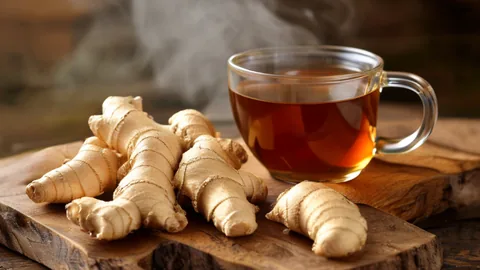
At the kitchen counter, I sniff the pungent aroma of warm ginger while weighing a dense, ayurvedic gingerbread loaf.
A baker pulls a dark, spiced gingerbread loaf from the oven, the scent of ginger and cinnamon filling the air. Comparing the nutritional density of different cake types is essential when integrating traditional recipes into a modern diet.
| Nutrient (per 100g) | Cake, gingerbread (prepared) | Cake, sponge (prepared) |
|---|---|---|
| Energy (kJ) | 1490 kJ | 1240 kJ |
| Protein (g) | 3.9 g | 7.3 g |
| Fat (g) | 16.4 g | 4.3 g |
| Carbohydrate (g) | 49.2 g | 57.7 g |
The gingerbread variety offers a higher fat content at 16.4g compared to the 4.3g found in sponge cake. Meanwhile, the sponge cake provides more protein at 7.3g, whereas the gingerbread contains 3.9g.
I noticed that the carbohydrate levels are higher in the sponge cake at 57.7g than in the gingerbread at 49.2g. The higher fat content of the gingerbread suggests a different energy delivery profile compared to the leaner sponge cake.
The difference in protein content indicates that the sponge cake provides a more substantial source of protein per serving. When comparing the energy content, the gingerbread loaf provides a higher caloric density than the sponge cake.
The carbohydrate levels in the sponge cake are notably higher than those in the spiced gingerbread.
In this comparison, the second item is the most detailed.
What safety precautions should I take with traditional products?
A person carefully inspects a jar of herbal powder, wondering about its purity and origin. While traditional ingredients are central to these recipes, modern safety standards are vital when using unregulated supplies.
According to the Victorian Department of Health, a 2023 health advisory warned that unregulated ayurvedic products sold in the state may contain unsafe levels of lead, mercury and arsenic, as well as harmful compounds from the plants Azadirachta indica and Acorus calamus.
In 2023, the Victorian Department of Health issued a health advisory regarding the risks of certain products. They warned that unregulated ayurvedic products sold in the state might contain unsafe levels of lead, mercury, and arsenic.
Additionally, these products may contain harmful compounds from plants such as *Azadirachta indica* and *Acorus calamus*.
Always verify the source of your spices and botanical ingredients before adding them to your baking. Using reputable suppliers helps mitigate the risk of heavy metal contamination.
The health advisory issued by the Victorian Department of Health in 2023 highlighted the specific danger of unregulated ayurvedic products. These unregulated products carry the risk of containing unsafe levels of lead, mercury, and arsenic.
The presence of harmful compounds from plants like *Azadirachta indica* and *Acorus calamus* poses an additional risk to consumers. To mitigate the risk of heavy metal contamination, it is necessary to verify the source of all spices and botanical ingredients.

- Verify the purity of all raw spices used in the recipe.
- Check for any signs of moisture or mold in dried ingredients.
- Store all handmade goods in airtight containers to maintain freshness.
How do I apply these principles to my own baking?
A kitchen counter is covered in various spices, from turmeric to cardamom, waiting to be measured. To create a balanced dessert inspired by traditional principles, follow these steps:
- Select warming spices like ginger or cinnamon to provide a foundational flavor profile. 2. Balance the density of the cake by choosing between a more substantial gingerbread-style base or a lighter sponge. 3. Verify the purity of all botanical ingredients to ensure they are free from contaminants.
After selecting your ingredients, perform a final check of the recipe to ensure the spice ratios do not overwhelm the palate. This methodical approach ensures that the traditional essence is captured without compromising the texture of the cake.
The selection of warming spices, such as ginger or cinnamon, establishes the foundational flavor profile of the dessert. Balancing the density of the cake requires a decision between the more substantial gingerbread-style base or the lighter sponge.
Verifying the purity of all botanical ingredients is a crucial step to ensure that the final product is free from contaminants. The final check of the recipe must be performed after the ingredient selection phase. This check is necessary to confirm that the spice ratios do not overwhelm the palate.
Start by substituting modern refined sugars with natural sweeteners to honor the traditional balance.
What are the limitations of traditional recipe study?
A researcher looks through a magnifying glass at an ancient manuscript, noting the complexities of the text. While these recipes offer profound cultural value, they are subject to the quality of the raw materials used.
One limitation is that the safety and nutritional value can vary significantly based on the quality of unregulated ingredients. For instance, the Victorian Department of Health's 2023 advisory highlights that products may contain unsafe levels of lead, mercury, or arsenic.
The profound cultural value of these traditional recipes is conditional upon the quality of the raw materials utilized. The safety and nutritional value of the final baked good can vary significantly depending on the quality of the unregulated ingredients.
The Victorian Department of Health's 2023 advisory serves as an example of a condition where products may contain unsafe levels of heavy metals.
Historical texts often omit specific measurements, making exact replication difficult.
The subject here is Ayurvedic cake recipe.
The same subject is also called Healthy Ayurvedic cake.
The same subject is also called Traditional cake recipe.
The same subject is also called Ayurvedic dessert ideas.
The same subject is also called Natural cake recipe.
This part also covers Ayurvedic cake recipe for health.
This part also covers How to make Ayurvedic cake.
This part also covers Ayurvedic cake healthy diet.
Ayurvedic cake recipe for health
Related
Comments 0