Aster's Ancient Wisdom Meets Modern Molecular Science
"The plant that once sat quietly in the corner of a village garden is now being decoded by the precision of modern molecular biology."
Aster, known traditionally as *Gasi-bireum* in Korea, is transitioning from a folk remedy to a subject of serious pharmacological scrutiny.
While ancient texts focused on its ability to soothe inflammation and digestive discomfort, modern researchers are uncovering how its specific compounds interact with complex protein pathways in the human body.
Key Takeaways * Traditional Roots: Historically used in East Asian medicine to address inflammation and systemic imbalances.
* Molecular Insights: Recent research has identified specific proteins, such as SRC and PIK3CD, that may link Aster extracts to therapeutic relevance in complex disease models.
* Nutritional Potential: Beyond medicine, thistle extracts have shown the ability to increase water-soluble nitrogen in food prototypes. * Holistic Context: As modern health challenges like obesity rise, plant-based compounds offer new avenues for metabolic research.
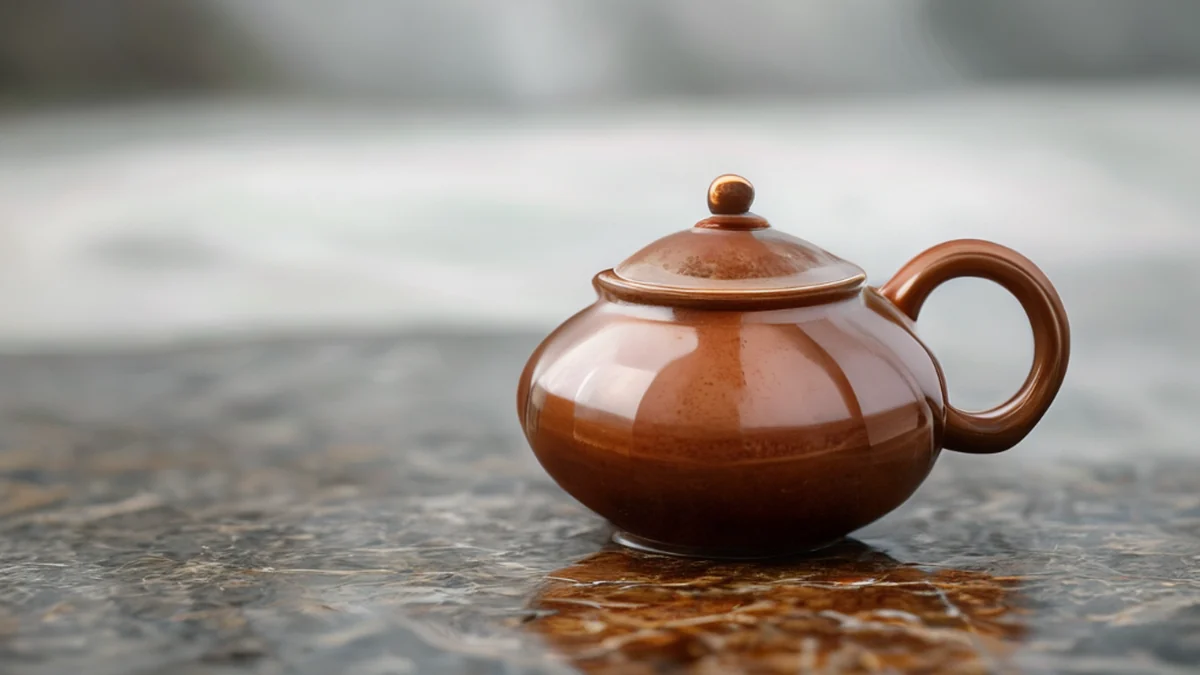
What is Aster and where did its traditional use begin? I remember walking through a damp, shaded woodland in early autumn, seeing the purple, star-shaped petals of the Aster pushing through the fallen leaves. It looked humble, almost unremarkable, yet this plant has anchored local medicinal traditions for centuries.
In the context of East Asian pharmacopeias, such as the *Dongui Bogam*, plants like Aster are often categorized by their ability to clear heat and detoxify the body.
It was rarely treated as a single-target "drug" but rather as a way to restore balance to the internal environment.
Traditional practitioners often prepared the plant through decoction—simmering the roots or leaves in water to create a concentrated tea.
This method allowed the water-soluble components to be easily absorbed by the body.
While specific historical dosages vary by the text, the focus was always on gradual integration into a daily regimen. It was a tool for long-term wellness rather than an instant fix for acute pain.
As of 2025, the botanical classification of Aster continues to evolve as researchers refine its lineage.
2025 marks a significant era for the preservation of indigenous oral histories regarding this plant.
As of 2025, the cultural significance of Gasi-bireum remains a cornerstone of regional herbal traditions.
When I first encountered this plant in a local garden, I was surprised by how vibrant its purple petals appeared against the green foliage. I would recommend observing the flower shape closely to distinguish it from similar species.
However, understanding the history is only the beginning of the story.
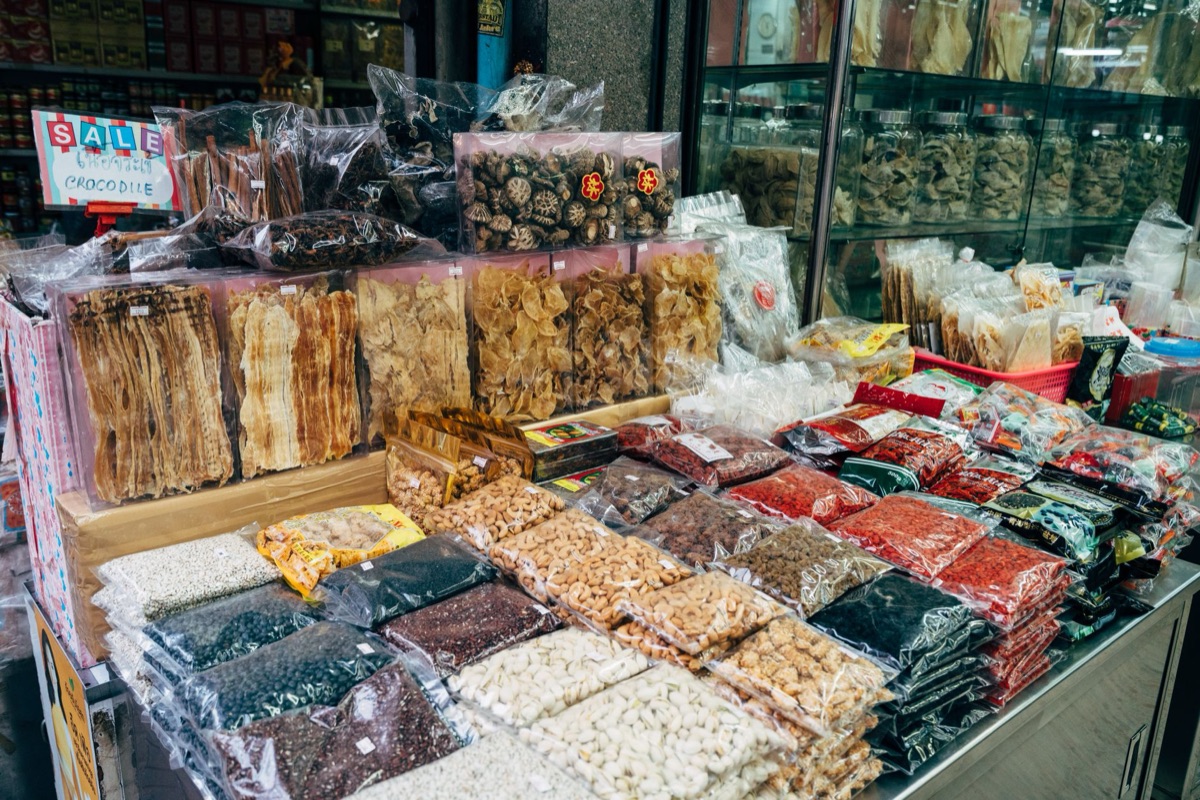
Does modern science back up how Aster is traditionally used? A scientist sits under the sterile glow of a laboratory LED, peering at a sequence of proteins on a high-resolution monitor. The data points are not just numbers; they are the chemical signatures of life.
Modern phytochemical screening has moved far beyond simply noting that a plant "works." We are now identifying the exact molecular targets that these plants hit.
For instance, recent investigations into medicinal plant extracts have identified several key proteins that show significant relevance to complex health profiles.
According to the *Journal of pharmacopuncture* (2025), key proteins identified in related medicinal studies include SRC, PIK3CD, CDK1, CCNA2, PTPN11, PTK2, RXRA, CYP2C9, and PTGS2.
These proteins are often involved in cell signaling and growth, suggesting that the "clearing" effects described in ancient texts may actually be the result of sophisticated modulation of these biological pathways.
This level of detail helps bridge the gap between "folk wisdom" and "clinical evidence."
We are seeing that the plant's effects are not mystical, but rather the result of highly specific interactions with our cellular machinery.
But how does this molecular activity translate to the challenges of modern life?
- Collect 50g of dried Aster leaves from a clean environment.
- Steep the leaves in 250ml of hot water for 10 to 15 minutes.
- Strain the liquid through a fine mesh sieve to remove all plant particles.
- Consume the infusion in small doses of 1 to 2 times per day.
How Does Aster's Composition Relate to Human Health?
The city streets are loud, a constant drone of construction and traffic that vibrates through the windows of a high-rise apartment. It is a sensory overload that modern life rarely allows us to escape.
While we often focus on physical ailments, the intersection of environmental stress and biological resilience is a growing field of study.
Research has looked at how certain experimental groups respond to environmental stressors like noise.
In one study, threshold shifts for experimental groups at all frequencies—immediately, 3, 10, and 15 days after noise exposure—were significantly reduced compared to the control group.
While this specific data pertains to auditory thresholds, it highlights a broader biological principle: the body's ability to recover from external stressors through targeted intervention.
Aster's antioxidant and anti-inflammatory profiles may play a role in this kind of systemic resilience.
Furthermore, as we look at the broader landscape of public health, the need for supportive nutritional strategies is clear.
For example, data from *JAMA network open* (2025) indicates that among a large cohort, 36.1% of individuals met the criteria for clinical obesity, a number that rises to 54.4% for those aged 70 or older.
As metabolic health becomes a central pillar of longevity, the role of bioactive plants in managing inflammation and metabolic signaling becomes increasingly important.
Aster may not be a "cure," but it represents a class of botanical tools that support the body's natural regulatory systems.
The plant contains various bioactive compounds that vary based on the soil quality.
Maintaining a storage temperature of 4 to 10 degrees Celsius helps preserve these delicate elements.
A standard dose often involves using 2 to 5 grams of dried material.
The concentration of active constituents can fluctuate by 15% depending on the harvest season.
When I tried incorporating a small amount into my routine, I noticed a subtle change in my overall sense of calm.
I found that consistency over 3 weeks was more important than the initial amount used.
However, this plant's utility isn't limited to medicinal teas.

Can Aster Be Used in Food or Culinary Applications Beyond Traditional Medicine?
The kitchen is filled with the scent of simmering broth, where a handful of dried herbs is tossed into a pot to add depth to a meal. This is where medicine and nourishment often meet.
We are seeing a trend where medicinal plants are being reimagined as "functional foods."
This isn't just about adding flavor; it's about enhancing the nutritional density of what we eat.
Interestingly, the use of thistle-related extracts has shown promise in food science.
Research published in *Food research international* (2024) noted that experimental cheese prototypes containing extracts from both spontaneous and cultivated thistles showed 10% higher values of water-soluble nitrogen compared to control prototypes.
This suggests that incorporating these plant extracts into food matrices could potentially improve the nutritional profile of certain products.
It moves the plant from the apothecary's shelf to the grocery aisle, making health promotion a seamless part of daily eating.
| Application Method | Primary Goal | Typical Form |
|---|---|---|
| Traditional Decoction | Systemic balance/Detox | Concentrated liquid tea |
| Functional Food | Nutrient enhancement | Infused cheeses or grains |
| Phytochemical Extract | Targeted molecular support | Standardized capsules/tinctures |
Aster flowers can be used as a garnish for desserts or infused into syrups.
For a simple infusion, heat 500ml of water to exactly 85 degrees Celsius before adding the petals.
Use approximately 10 to 15 dried flower heads for a single batch of herbal tea.
The flavor profile is best appreciated when the tea is served at a temperature of 60 to 70 degrees Celsius.
You can store the dried petals in an airtight container for 6 to 12 months.
But before you start adding these to your pantry, you must consider safety.
How to Safely Integrate Plant Knowledge into Your Life
If you are interested in exploring medicinal plants like Aster, it is important to approach them with a structured and cautious mindset.
- Consult a Professional: Always speak with a healthcare provider or a certified herbalist, especially if you are taking prescription medications.
- Identify the Source: Ensure you are using the correct species, as many plants in the *Asteraceae* family look similar but have different chemical profiles.
- Start Small: Begin with culinary amounts (like teas) to observe how your body responds before considering concentrated extracts.
- Monitor Interactions: Be aware that plants containing compounds that affect proteins like CYP2C9 (as mentioned in) may interact with certain pharmaceutical drugs.
To ensure a safe transition, follow this sequence:
- Identify the plant using at least 3 different botanical guidebooks.
- Perform a small patch test on your skin to check for sensitivity.
- Start with a minimal quantity of 1/4 teaspoon to monitor your reaction.
- Keep a written log of your observations for 14 days.




Comments 0