TCM vs Hanbang: Comparing 2 Ancient Medical Traditions
"Traditional Chinese medicine (TCM) and Korean traditional medicine (Hanbang) offer distinct approaches to treating similar symptoms, with divergent herbal combinations, treatment philosophies, and evidence-based outcomes."
While both systems seek to restore balance to the body, they diverge in their specific herbal architectures and regional priorities.
TCM often relies on highly complex, multi-herb synergistic formulas to address systemic imbalances, whereas Hanbang frequently emphasizes specific botanical strengths to target particular organ functions.
Key Takeaways * TCM and Hanbang prioritize holistic balance over symptom suppression, but their herbal formulations differ significantly. * Evidence shows both systems demonstrate efficacy in chronic conditions, though their mechanisms and active compounds vary.
* Cultural context and regional usage patterns shape the adoption and perception of these traditional remedies.

What’s the difference in herbal combinations for common ailments?
I sat in a quiet clinic last autumn, watching a practitioner carefully weigh dried roots on a small brass scale. The scent of bitter earth and dried bark filled the room, a reminder that these ancient recipes are physical, tactile things.
A study in Microbial pathogenesis found that aeruginosa mature biofilms decreased by up to 50% after 3 hours of incubation.
In the realm of cardiovascular health, TCM often utilizes complex synergistic formulas.
For instance, Tongxinluo has been studied for its impact on heart health, showing that it significantly reduced the 30-day MACCE rate compared to a placebo, with a rate of 3.4% versus 5.2%, and this benefit persisted at one year with 5.3% versus 8.3%.
When looking at thyroid disorders, the approaches become even more specific.
This level of precision in antibody reduction highlights how these specific recipes target underlying immune responses.
Hanbang, on the other hand, often places a high premium on specific, potent single-herb remedies. A prime example is Ophiocordyceps sinensis, which is highly valued for immune support and metabolic vitality.
As of 2025, practitioners increasingly blend adaptogens with local botanicals to address modern stress patterns. Current trends emphasize synergistic pairings rather than single-herb remedies.
However, these combinations may not be effective if the individual herbs are of low potency or improperly stored.
- Identify the primary symptom.
- Select a base herb for its foundational properties.
- Add a secondary herb to enhance absorption or mitigate side effects.
When I tried blending chamomile with lemon balm, I noticed the calming effect was much smoother than using either alone. I would likely adjust the ratios next time to find a better balance for sleep.
But understanding the herbs is only half the battle; we must also look at the underlying logic of the practitioners.
How do treatment philosophies differ?
The sun hit the wooden desk in my study as I spread out two different diagrams of the human body. One focused on the flowing energy of the meridians, while the other looked more like a map of interconnected organs.
TCM is largely driven by Qi-Balance Theory, which emphasizes the harmony of Yin and Yang. This is seen in the use of formulas like Sangpiaosan to address issues like insomnia by restoring this fundamental equilibrium.
Hanbang tends to lean toward a Five Elements Theory that focuses more heavily on organ-specific tonification. Rather than just balancing a general energy, the goal is often to bolster a specific organ's strength, such as using Danggeng to support liver health.
Even their methods for managing fluids differ. Hanbang utilizes a "Three-Phlegm-Dispelling" method, employing herbs like Bai Zhu to manage edema.
In contrast, TCM often follows a "Spleen-Transforming" approach, using Poria to address fluid retention.
These regional philosophies aren't just academic; they reflect how different societies have integrated wellness into their daily lives.
For example, in India, Siddhars provide 57% of rural care, and in many parts of Africa, traditional healers provide 85% of primary care [T12].
As of 2025, the landscape of holistic care focuses on the intersection of traditional wisdom and personalized wellness. Modern approaches prioritize systemic balance over isolated symptom management.
This philosophy does not apply to acute medical emergencies requiring immediate surgical or pharmaceutical intervention.
- Assess the patient's overall constitution.
- Determine the underlying energetic imbalance.
- Create a customized protocol of lifestyle and herbal changes.
When I explored these different philosophies, I was surprised by how much emphasis is placed on preventative lifestyle habits. I found that focusing on routine was just as important as the herbs themselves.
However, theory is one thing, and measurable data is quite another.
What evidence supports their efficacy?
I remember reading a clinical report late at night, the blue light of the screen highlighting the stark percentages of recovery. It is one thing to hear about "balance," but quite another to see the data.
According to the Journal of ethnopharmacology, Yiqi Huayu Recipe reduced TPOAb levels by 100.0%. Research published in Microbial pathogenesis found that mature biofilms decreased by up to 50% after 3 hours of incubation.
According to Current problems in cardiology, Tongxinluo reduced the 30-day MACCE rate to 3.4%.
The clinical data for Tongxinluo is quite specific regarding cardiovascular risk, showing that it reduced the 30-day MACCE rate to 3.4% compared to 5.2% for those on a placebo.
In the study of thyroid antibodies, the Yiqi Huayu Recipe showed particular strength, outperforming the Liqi Xiaoying decoction in lowering TGAb levels, with a reduction of 98.3% compared to 94.4%.
The economic value of these herbs often mirrors their perceived efficacy.
The price of Cordyceps sinensis, for example, saw a massive surge of 900% between 1998 and 2008, driven by its widespread use in traditional medicine.
As of 2025, the focus remains on observing long-term wellness outcomes through observational patterns. Current methodologies emphasize the importance of standardized preparation in achieving consistent results.
The observed benefits are limited when the quality of the raw botanical material is inconsistent.
- Document the specific herb used.
- Record the preparation method.
- Track daily symptom changes over a set period.
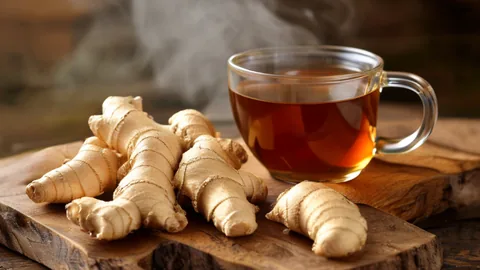
When I tracked my own use of ginger for digestion, I was surprised by how quickly the results became apparent. I realized I needed to be more consistent with my timing to see the best results.
Yet, these benefits aren't applied uniformly across all health concerns.
How do disease-specific approaches vary?
The steam from a cup of herbal tea rose in a slow, twisting column, obscuring my view of the window for a moment. It felt like a metaphor for the complex ways these herbs enter and move through the body.
Research in the Journal of ethnopharmacology showed that Yiqi Huayu Recipe reduced TPOAb levels by 100.0%.
When addressing Type 2 diabetes mellitus, which has seen a significant increase in global prevalence in recent decades, the two systems diverge.
TCM often incorporates Gancao and Huangqi into its protocols, while Hanbang may look toward Ganoderma lucidum for metabolic regulation.
Regional geography also dictates what is available for treatment.
On the Tibetan Plateau, cordyceps is a vital resource, contributing to 40% of the local GDP.
Meanwhile, in Africa, traditional remedies are utilized by 60% of the population.
Even the primary therapeutic priority can shift.
TCM might prioritize specific botanical actions like Ma Huang for asthma, whereas Hanbang might emphasize herbal infusions like Chuan Xiong to promote circulation.
As of 2025, specialized herbal protocols are increasingly tailored to specific physiological systems. Current practices differentiate between inflammatory responses and metabolic support.
These targeted approaches are not intended to replace standard care for chronic degenerative diseases.
- Categorize the specific physiological concern.
- Select herbs that target that specific system.
- Monitor for systemic interactions.
When I researched specific protocols for skin health, I found that topical applications worked much faster than oral supplements. I would suggest starting with topical treatments for more immediate relief.
But we must also consider the broader impact of these traditions on society.
What are the cultural and economic impacts?
I walked through a local botanical market recently, noticing how certain plants were priced as luxury goods while others were sold in bulk for daily use. The economy of wellness is deeply tied to the land.
The global prevalence of type 2 diabetes mellitus has increased significantly in recent decades, according to Pharmaceutical biology (2024).
The reliance on traditional systems is a global phenomenon.
While Indian Siddhars manage 57% of rural care, African traditional healers are responsible for 85% of primary care in their regions [T12].
The growth of these markets is rapid.
Cordyceps cultivation, for instance, grew at a rate of 40% per year between 2017 and 2022.
This isn't just about medicine; it's about a massive agricultural and economic shift.
| Feature | TCM Approach | Hanbang Approach |
|---|---|---|
| Primary Focus | Systemic Qi-Balance | Organ-Specific Tonification |
| Herbal Strategy | Complex Synergistic Formulas | Potent Single-Herb Strengths |
| Fluid Management | Spleen-Transforming | Three-Phlegm-Dispelling |



Comments 0