Centaurea Cyaneas: Modern Science Validates Ancient Uses
"Centaurea cyanus has been a cornerstone of herbal traditions, now redefined by modern science for its antimicrobial, anti-cancer, and cosmetic properties."
While often admired for its striking azure petals in a garden, this plant is far more than a seasonal decoration. It serves as a complex biological reservoir of fatty acids and bioactive compounds that are currently being studied for their roles in medicine and skincare.
Key Takeaways * Centaurea cyanus is a dual-use plant, functioning as both a traditional herbal remedy and a modern subject of scientific inquiry. * The blue flowers contain bioactive compounds with antibacterial, anti-inflammatory, and anti-cancer potential.
* Specific extraction methods, such as ultrasonic solvent extraction, are used to isolate these compounds for health and cosmetic applications. * Cultivation requires precision, as specific sowing depths and management strategies are necessary to ensure successful growth and high yields.

How was it used in folk medicine? In the damp morning air of the garden, she crushed the azure petals between her fingers, feeling their velvety texture.
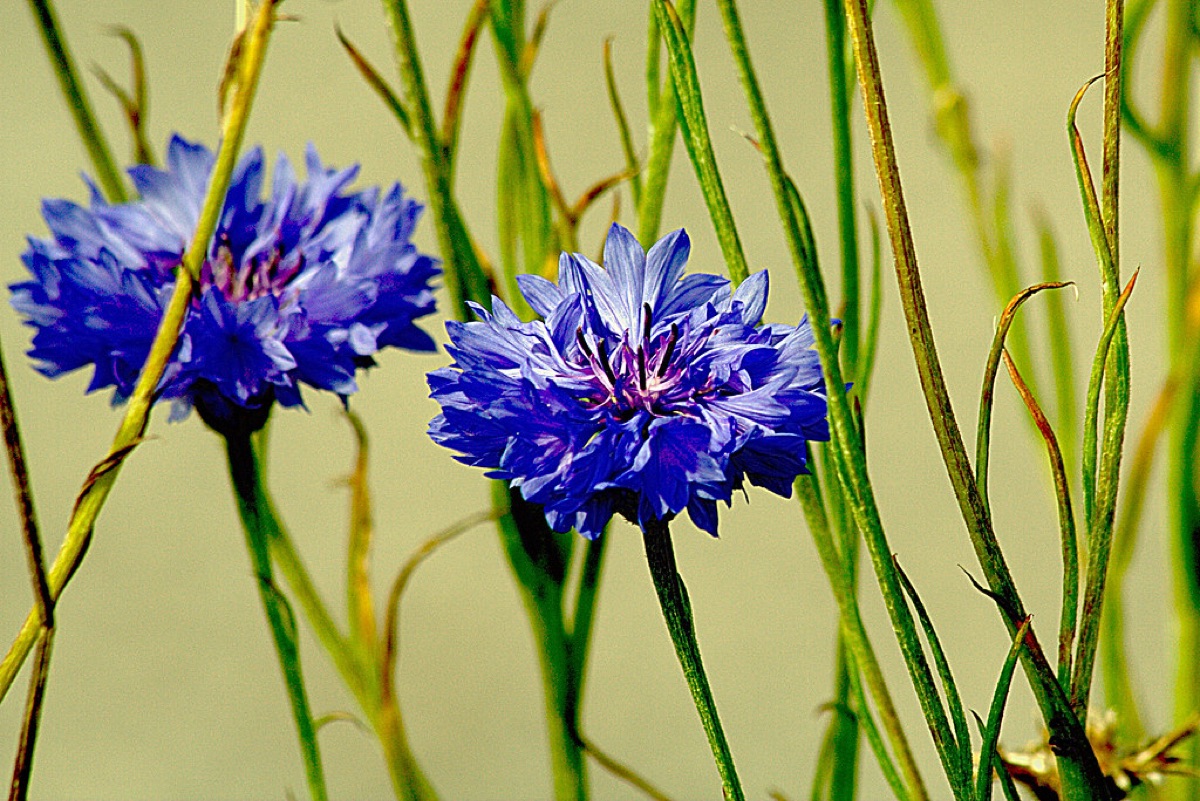
I remember standing in a small herb garden in early June, watching the wind catch the heavy, blue heads of cornflowers as they swayed against a backdrop of green. It is easy to forget that these delicate shapes were once staples in the apothecary's cabinet.
Historically, this plant was a multi-purpose tool in European folk medicine. It was frequently brewed into teas to soothe respiratory ailments or applied as a topical poultice to treat skin infections. Beyond internal use, the plant held practical value in daily life as a natural dye.
The medicinal utility of the plant is linked to its chemical makeup. Research into the fatty acid composition of both wild and cultivated cornflower highlights why it has been used for such diverse purposes.
These fatty acids contribute to the plant's long-standing reputation for addressing inflammation and oxidative stress. But as we move from the garden to the lab, the focus shifts from tradition to precision.
How does modern science validate these ancient uses?
A scientist sits under a bright LED light in a sterile lab, carefully pipetting a clear liquid into a petri dish containing a bacterial culture. This transition from the garden to the laboratory is where the true potency of the plant is measured.
According to the Journal of cellular biochemistry, the Bax/Bcl-2 ratio was noticeably increased in MCF-7 and MDA-MB-231 cells in 2019.
Modern studies are providing hard data to support what herbalists have claimed for centuries. For instance, research has demonstrated that extracts of the plant possess significant antibacterial activity.
When freshly harvested flower biomass is extracted using methyl tert-butyl ether at room temperature, the minimum inhibitory concentrations (MIC) were found to be 60–120 µg/mL against specific pathogens.
The antimicrobial reach of the plant extends to fungi and bacteria as well. The minimum fungicidal concentration (MFC) was recorded at 120 µg/mL, while the minimum bactericidal concentration (MBC) reached 250 µg/mL.
This suggests a robust biological defense mechanism that may be useful in natural antimicrobial applications.
Even more compelling is the plant's role in oncology research. In studies involving breast cancer cell lines, specifically MCF-7 and MDA-MB-231, certain compounds in the plant were shown to noticeably increase the Bax/Bcl-2 ratio.
This ratio is a critical factor in how cells undergo programmed death, marking this plant as a subject of intense interest in cancer cell research. However, getting these compounds out of the plant and into a usable form is a complex challenge.
How can I best extract its active compounds? The hum of an ultrasonic cleaner fills a small laboratory space as it vibrates a mixture of solvents to pull nutrients from a sample. Extracting the "good stuff" from a plant requires much more than just boiling it in water.
According to Plants (Basel, Switzerland), the minimum bactericidal concentration was 250 µg/mL when extracting freshly harvested flower biomass with methyl tert-butyl ether in 2021.
To isolate the most potent bioactive compounds, researchers often use specialized techniques. For example, studies involving cornflower honey from Poland utilized ultrasonic solvent extraction.
This process involved applying a mixture of pentane and diethyl ether (1:2v/v) or dichloromethane to isolate specific components.
While the flowers provide many benefits, the plant's nectar also plays a role in its profile. The nectar has a sugar content of approximately 34%, which makes it a practical natural sweetener for herbal syrups.
When planning to grow this plant for medicinal use, the initial stages of life are critical. For successful germination, a sowing depth of 1 cm is considered optimal, though seeds planted as deep as 10 cm can still successfully establish seedlings.
| Feature | Traditional Use | Modern Scientific Focus |
|---|---|---|
| Primary Part | Flowers and leaves | Bioactive extracts and fatty acids |
| Main Application | Teas, dyes, and poultices | Antimicrobial, anti-cancer, and skincare |
| Key Compound | General herbal properties | Fatty acids (e.g., linoleic acid) |
| Extraction Method | Infusion/Decoction | Ultrasonic solvent extraction |
How is it used in skincare and health products?
I recently held a small glass dropper bottle containing a blue-tinted serum, noting how the color seemed to come directly from the essence of the flower. In the world of high-end natural cosmetics, this plant is becoming a star ingredient.
According to Ceska a Slovenska farmacie, a 2020 study showed the composition of fatty acids in the flowers and herb of wild and cultivated cornflower.
The plant's high concentration of fatty acids makes it an excellent candidate for topical applications. Analysis of the flowers and herbs shows a specific composition of fatty acids that supports anti-inflammatory and antioxidant effects.
This makes it a valuable component for soothing irritated skin.
Furthermore, the antimicrobial data provides a foundation for natural hygiene products. Because the plant shows an MFC of 120 µg/mL, it holds potential as an active ingredient in natural antifungal creams.
However, growers must be aware of the plant's competitive nature in a field. In agricultural settings, such as a winter wheat crop, even a single plant per square meter can reduce the total yield by as much as 30 kg/ha.
This highlights the need for careful management if you are growing it alongside food crops.
What should I know about growing and sustainability?
A gardener kneels in the damp soil, carefully pressing a tiny seed into a shallow furrow. Growing this plant requires an understanding of both its physical structure and its ecological footprint.
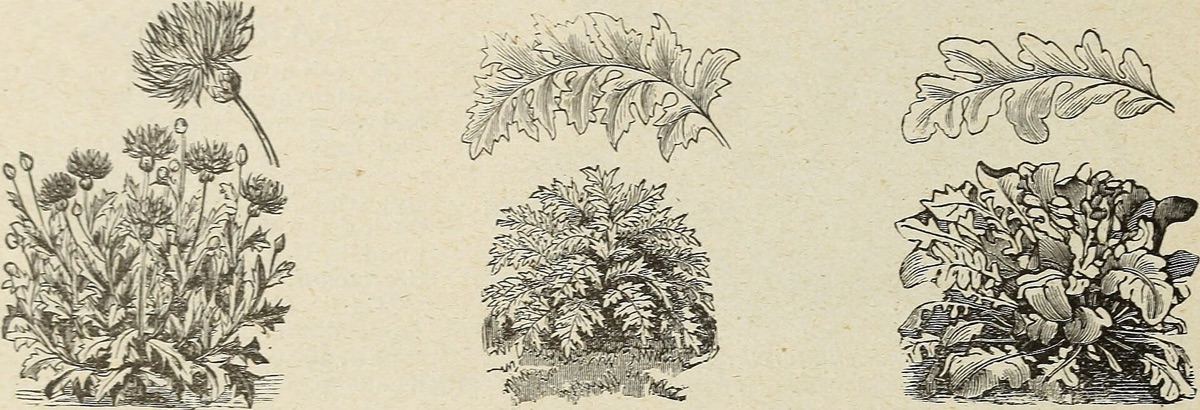
The plant is easily identifiable by its lanceolate leaves, which typically measure between 3 and 10 cm in length. Its most striking feature is the blue flower, which generally has a diameter of 1.5 to 3 cm.
These physical traits are essential for both ornamental beauty and medicinal harvesting.
To ensure the plant remains a sustainable resource, controlled cultivation is necessary. Because wild populations can be threatened by the expansion of industrial agriculture, relying on cultivated sources helps prevent overharvesting.
Step-by-Step Guide to Successful Cultivation
- Soil Preparation: Ensure well-drained soil that is not overly enriched with nitrogen, as this can favor leaf growth over flower production.
- Sowing: Plant seeds at a shallow depth of 1 cm to ensure the best germination rates.
- Monitoring: Watch for the development of lanceolate leaves (3–10 cm) to ensure the plant is establishing well.
- Pest Management: If growing near wheat or other grains, monitor density to prevent the plant from becoming an invasive competitor.
- Harvesting: Collect the blue flowers (1.5–3 cm diameter) during their peak bloom for maximum bioactive concentration.
Note on Limitations: While the research into *Centaurea cyanus* is promising, particularly regarding its antibacterial and anti-cancer cell responses, these findings are primarily conducted in laboratory settings (in vitro). This does not equate to a proven medical cure for humans.
Always consult a healthcare professional before using herbal extracts for medicinal purposes.

Comments 0