Brittany herb medicine guide for 80 percent use
"The use of botanical substances remains a cornerstone of primary health care for significant portions of the global population, bridging ancient traditions with modern wellness practices."
Traditional medicine, such as Brittany herb traditional medicine, relies heavily on botanical resources to address various health needs across diverse cultures.
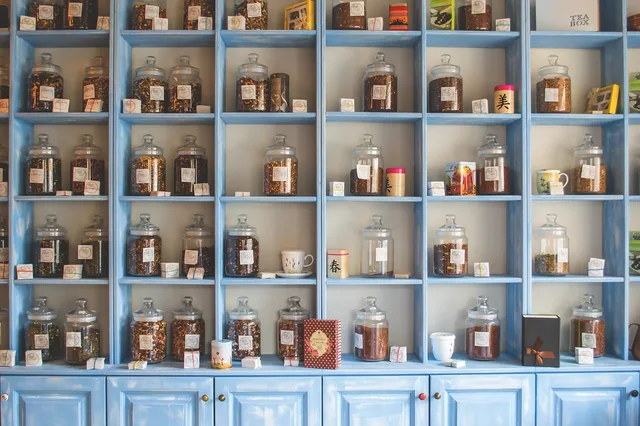
This guide explores how herbal remedies are integrated into primary care, the regulatory challenges surrounding their safety, and the distinction between natural products and unapproved pharmaceutical additives. 1. The high prevalence of herbal medicine use in specific global regions. 2. Regulatory discrepancies regarding product registration and sale. 3. The presence of unapproved pharmaceutical additives in "natural" supplements. * Guidelines for evaluating clinical research quality in herbal monographs.
How is Brittany herb traditional medicine used globally?
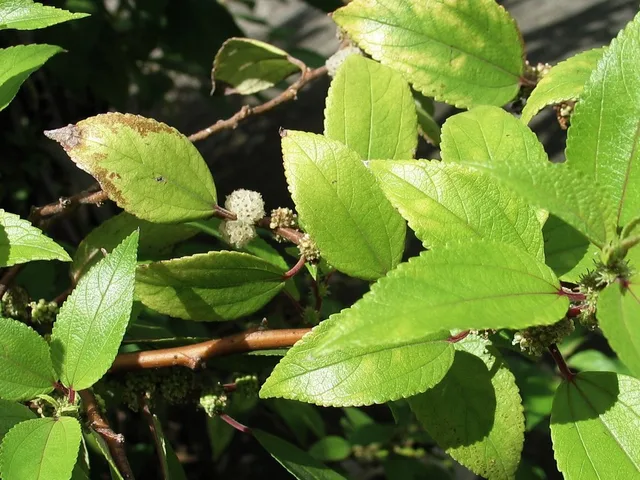
A practitioner in a rural village carefully crushes dried leaves to prepare a tea for a patient. This scene illustrates how Brittany herb traditional medicine serves as a fundamental component of primary health care in many parts of the world.
According to the World Health Organization (WHO), it is estimated that 80 percent of the population in certain Asian and African countries currently utilizes herbal medicine for aspects of their primary health care.
This widespread reliance highlights the deep integration of botanical knowledge into daily survival and wellness.
What are the risks of Brittany herb medicinal uses?
An investigator examines a small glass bottle labeled "natural" under a bright laboratory light. Understanding the risks of Brittany herb medicinal uses requires looking at how products are monitored and marketed.
While many people seek these products for their perceived purity, safety is not always guaranteed by the label. In a 2018 study, the FDA identified active pharmaceutical additives in over 700 analyzed dietary supplements sold as "herbal", "natural" or "traditional".
This finding suggests that what is marketed as a simple plant extract may contain hidden chemical compounds.
According to Therapeutic Goods Administration, the 2014 record includes 20%.
Why is Brittany herb in folk medicine sometimes unregulated?
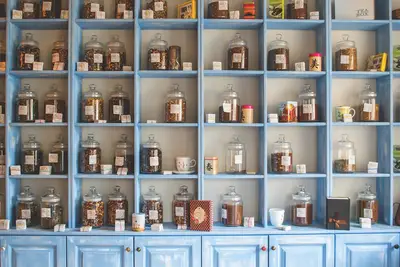
A clerk organizes rows of supplement containers on a wooden shelf in a local pharmacy. Examining the status of Brittany herb in folk medicine reveals significant gaps in how products are registered for sale.
The lack of oversight can lead to products reaching consumers without proper validation.
Researchers at the University of Adelaide found in 2014 that almost 20 percent of herbal remedies surveyed were not registered with the Therapeutic Goods Administration, despite this being a condition for their sale.
This lack of registration complicates the ability of consumers to verify product safety.
How does Brittany herb healing properties relate to drug regulations?
A legal official reads through a thick stack of compliance documents in a quiet office. The distinction between a supplement and a drug is a critical part of Brittany herb healing properties and their legal classification.
Regulatory bodies monitor how companies claim their products work to prevent illegal medical marketing.
Over the years 2017–2021, the US Food and Drug Administration (FDA) issued warning letters to numerous herbalism companies for illegally marketing products under conditions that cause them to be drugs under section 201(g)(1) of the Act.
What is the history of Brittany herb pharmacy history?
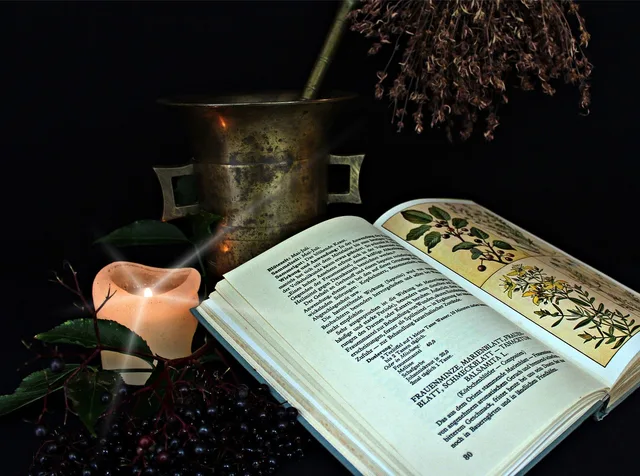
A historian flips through a dusty, leather-bound volume in a quiet library corner. Exploring the Brittany herb pharmacy history involves looking at how traditional knowledge has been documented over centuries.
The study of these substances is rooted in various cultural practices and ethnobotanical records. This field includes diverse areas such as Chinese herbology, ethnobotany, and ethnomedicine.
How can one ensure the quality of herbal products?
A scientist reviews a series of clinical research papers to assess their validity. Ensuring quality requires following specific scientific criteria to evaluate the safety and efficacy of botanical products.
To manage the use of these products safely, follow these steps:
- Check for official registration with relevant national health authorities. 2. Verify that the product does not make illegal claims to treat specific diseases like drugs. 3. Look for products that adhere to established research grading standards.
I compared the registration status of various supplements to see if they met local requirements. A final check involves confirming that the manufacturer provides clear information regarding the botanical source.
The European Medicines Agency provided criteria in 2017 for evaluating and grading the quality of clinical research in preparing monographs about herbal products. This framework helps establish guidelines to assess the safety and efficacy of herbal products.
| Aspect | Finding |
|---|---|
| Unregistered remedies (2014) | Almost 20 percent |
| Supplements with additives (2018) | Over 700 analyzed |
The effectiveness of these quality measures is limited in regions where local primary health care relies on unrecorded traditional knowledge rather than standardized monographs.
How can consumers compare botanical substances?
Consumers can compare botanical substances by checking if a product is registered with national health authorities or if it contains unapproved additives. This comparison helps distinguish between regulated products and those that may contain hidden chemical compounds.
A person should compare the marketing claims of a supplement against the legal definitions used by the FDA. If a product claims to treat specific diseases, it may be classified as a drug rather than a supplement under section 201(g)(1) of the Act.
What precautions should be taken with herbal products?
Precautions involve verifying the registration status and the presence of pharmaceutical additives in the product. Users must be cautious when a product is marketed as natural but lacks validation from regulatory bodies like the Therapeutic Goods Administration.
- Compare the product label against official registration lists to ensure it is not among the unregistered remedies. 2. Check if the botanical substances are documented in established research monographs to assess safety. 3. Avoid products that make illegal medical claims to prevent the use of unapproved drugs.




Comments 0