Goji berry guide for 50,000 traditional plants
"The world relies heavily on the botanical treasures found in nature, with billions of people turning to traditional wisdom for their primary healthcare needs."
Goji berry in traditional medicine involves using specific plant species to support various health conditions through centuries of established practice.
This guide explores how these berries fit into a global landscape where many populations rely on herbal remedies, noting that while usage is widespread, scientific approval for botanical drugs remains rare.

* Global reliance on traditional medicine is high, particularly in Africa and Southeast Asia. * Millions of people depend on medicinal plants for their primary health needs. * The regulatory path for botanical drugs is extremely stringent. * Specific dosages are sometimes suggested for traditional uses like diabetes management.
How is goji berry in traditional medicine used?
A person reaches for a handful of dried red berries, feeling their slightly wrinkled texture and smelling the earthy, sweet aroma. This simple act connects modern consumers to an ancient lineage of herbalism.
The traditional uses of goji berry are part of a vast global system where people use plants to manage their well-being.
According to a 2024 World Health Organization global survey, two-thirds of countries globally report at least 40% of their population uses traditional, complementary, or integrative medicine; reported usage is higher among African and Southeast Asian countries.
This widespread adoption shows how deeply plant-based practices are rooted in many cultures.
The use of these berries is just one small part of a massive botanical world. The Food and Agriculture Organization estimated in 2002 that over 50,000 medicinal plants are used across the world. This immense variety ensures that traditional practices remain diverse and localized.
- Dry the berries to preserve their potency.
- Steep them in hot water to create a tea.
- Mix them into porridge or soups for daily consumption.
- In this sequence, the second step is the longest.
What is the scale of traditional medicine?
An herbalist carefully sorts through piles of dried leaves and berries, ensuring each specimen is ready for preparation. They are participating in a global movement of healing that spans continents and millennia.
A World Health Organization survey found that at least 40% of populations in two-thirds of countries use traditional medicine.
According to The Food and Agriculture Organization, it was estimated in 2002 that over 50,000 medicinal plants are used across the world.

Understanding the scale of this practice helps contextualize the role of specific herbs.
The World Health Organization estimates, without reliable data, that some 80 percent of the world's population depends mainly on traditional medicine (including but not limited to plants); perhaps some two billion people are largely reliant on medicinal plants.
This staggering figure highlights the importance of botanical knowledge.
The scale of reliance is not just a matter of numbers but of cultural necessity. Because so many people depend on these resources, international bodies have stepped in to provide structure.
The World Health Organization formulated a policy on traditional medicine in 1991, and since then has published guidelines for them, with a series of monographs on widely used herbal medicines.
Why is goji berry medicinal use so significant?
A researcher sits at a desk, comparing the chemical profiles of different berries under a bright lamp. They are looking for the specific properties that make certain plants stand out in the history of herbalism. Goji berry medicinal uses are often discussed in the context of long-term wellness.
The Food and Agriculture Organization estimated that over 50,000 medicinal plants are used worldwide.
The significance of such plants lies in their historical application and their perceived benefits. Traditional medicine goji berry applications are often part of broader dietary and wellness regimens.
While many use these berries for general health, specific traditional suggestions exist for more targeted needs.
For example, some traditional practices suggest specific amounts for certain conditions. It can be used in large amounts and 30g is suggested when treating diabetes. I have seen how these specific measurements are passed down through generations as part of a practiced tradition.
What are the goji berry herbal benefits?
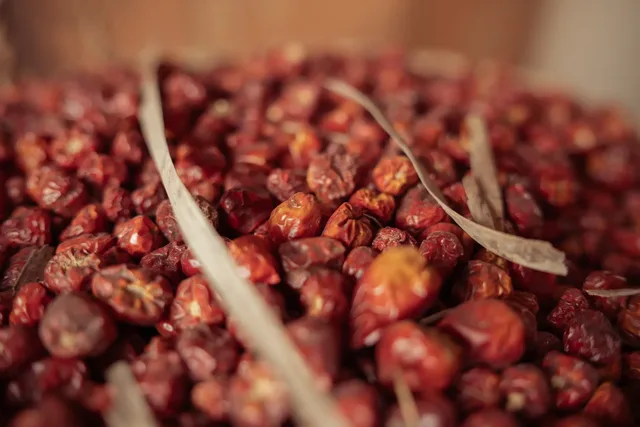
A cook stirs a bright red infusion in a ceramic pot, watching the color bleed into the water. The steam rises, carrying the scent of the berries into the kitchen. This process is a common way to extract goji berry herbal benefits for daily consumption.
The benefits are often viewed through the lens of traditional wisdom rather than modern clinical trials. People seek out these herbs to complement their lifestyle and support their bodies naturally. This pursuit of wellness through plants is a core component of traditional medicine.
However, the transition from traditional use to modern medicine is difficult. Many people look for goji berry medicinal properties to find natural alternatives to synthetic drugs. This search bridges the gap between ancient knowledge and contemporary health concerns.
How does goji berry history in medicine compare to modern drugs?
A scientist reviews a stack of regulatory documents, noting the high bar for botanical approval. They compare the centuries of use with the rigorous requirements of modern pharmaceutical agencies. This comparison highlights the tension between traditional practice and modern regulation.
The path for a plant to become an official drug is incredibly narrow.
In the United States over the period 1999 to 2012, despite several hundred applications for new drug status, only two botanical drug candidates had sufficient evidence of medicinal value to be approved by the Food and Drug Administration.
| Category | Scale of Use/Application |
|---|---|
| Global Medicinal Plant Count | Over 50,000 |
| US Approved Botanical Drugs (1999-2012) | 2 |
This comparison shows that while the history of goji berry as a medicinal herb is long, its recognition as a formal drug is rare.
What are the steps to using medicinal plants?
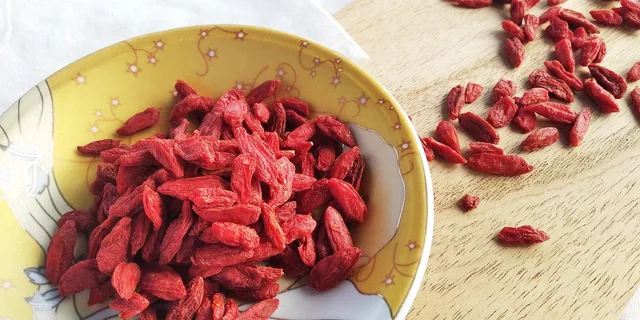
A student follows a recipe, carefully measuring out dried herbs and boiling water. They are learning the practical application of botanical knowledge. To use medicinal plants effectively in a traditional context, one must follow specific protocols.
- Identify the correct plant species to ensure the intended properties are present. 2. Prepare the plant using traditional methods, such as decoction or infusion. 3. Follow suggested traditional dosages, such as 30g for specific historical uses.
After preparation, perform a final check to ensure the infusion is at the correct temperature and consistency. Using plants requires respect for the tradition and the specific methods that have been used for centuries.
One limitation is that the efficacy of these plants can vary based on the specific condition and the lack of reliable data for some global estimates.
The study of goji berries and other plants reveals a deep connection between human history and the natural world, though the transition from traditional use to modern pharmaceutical approval remains a complex challenge.




Comments 0