Dried lemon in traditional medicine: a guide to wellness
"The preservation of botanical essence through dehydration remains a cornerstone of traditional wellness practices."
Dried lemon in traditional medicine has been used to improve digestive observations and preserve specific plant compounds through controlled dehydration. This guide explores how drying processes affect nutritional retention and the historical context of citrus-related botanicals.
Key takeaways include the impact of drying conditions on antioxidant properties, the distinction between lemon-scented herbs, and the current lack of epidemiological evidence regarding dried fruit and long-term metabolic diseases.
How is dried lemon in traditional medicine used?
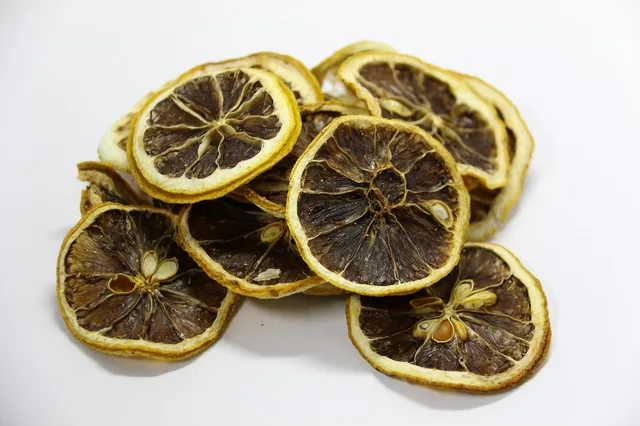
A person carefully places thin, translucent citrus rounds onto a wooden tray under a warm, steady breeze. Using dried lemon in traditional medicine often involves incorporating slices into digestive aids or herbal infusions to observe physiological responses.
According to Revista espanola de enfermedades digestivas (2024), BBPS scores were significantly higher in the PEG + lemon slice group (p < 0.05). This suggests that adding a lemon slice to certain preparations may influence specific digestive metrics.
While these observations provide insight into localized uses, it is important to note that there is little epidemiological evidence about the association of dried fruit consumption with cardiovascular disease incidence and mortality, as well as the risk of type 2 diabetes or obesity, according to Nutrients (2023).
- Slice the dried lemon into thin pieces.
- Steep the slices in hot water for several minutes.
- Drink the resulting infusion to soothe the throat or aid digestion.
What affects the medicinal uses of dried lemons?
While standing in the sun-drenched kitchen, you touch the brittle, dried lemon peel, hearing it crackle and reflecting on the history of dried lemon use. Sunlight hits a ceramic bowl filled with brittle, yellowed peels that crackle when touched. Understanding dried lemon medicinal uses requires looking at how the method of dehydration changes the chemical makeup of the plant.
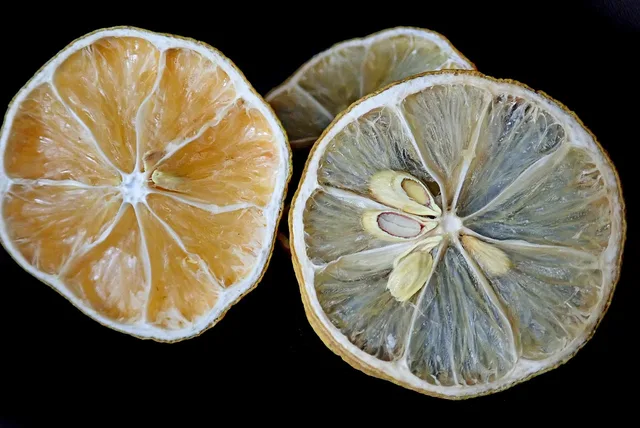
The preservation of health-promoting elements depends heavily on the environment during the drying stage.
According to Heliyon (2019), the results showed that drying conditions significantly (p < 0.05) affected the retention of total phenolic content (TPC), total flavonoids (TFC), proanthocyanidins, gallic acid, hesperetin, and antioxidant properties of lemon myrtle leaves.
Proper temperature control is essential to ensure these components remain intact for use.
The potency of the herb depends heavily on the drying method and the storage conditions used to prevent moisture buildup.
How does traditional medicine lemon compare to other herbs?
A gardener pulls a heart-shaped leaf from a damp garden bed, noting its rough texture. When studying the medicinal value of lemon in traditional medicine, one must distinguish between citrus fruits and aromatic herbs like lemon balm or lemon myrtle.
The botanical characteristics of these plants vary significantly. For instance, lemon balm features heart-shaped leaves that are 2–8 cm (3⁄4–3+1⁄4 in) long and possess a rough, veined surface.
I noticed that the scent of these herbs often mimics citrus due to specific chemical compounds rather than actual fruit content.
Unlike many bitter herbs, dried lemon offers a balanced profile of acidity and citrus aroma that makes it easier to consume regularly.
What are the healing properties of dried lemons?
A heavy stone pestle grinds dried zest into a fine, fragrant powder. Researching dried lemon healing properties involves analyzing the specific volatile oils and antioxidants present in the dehydrated material.

The therapeutic value is often linked to the concentration of phytochemicals. In aromatic plants, the flavor and medicinal aroma come from compounds such as geraniol (3–40%), neral (3–35%), geranial (4–85%), (E)-caryophyllene (0–14%), and citronellal (1–44%).
These components are what users typically target when preparing traditional remedies.
Dried lemon is primarily utilized for its ability to support digestive health and provide a concentrated source of vitamin C.
Is lemon as medicinal herb easy to cultivate?
A small sprout emerges from dark soil under a bright window. Utilizing lemon as medicinal herb often begins with the careful cultivation of the source plant, which requires specific environmental triggers.
To successfully grow certain lemon-scented botanicals, follow these steps:
- Ensure seeds receive adequate light exposure. 2. Maintain a minimum temperature of 20 °C (68 °F) to facilitate germination. 3. Monitor soil moisture to prevent rot during the early growth stages.
After completing these steps, perform a final check of the ambient temperature to ensure it does not drop below the required threshold. I found that maintaining these precise conditions is vital for consistent yields.
Lemon trees require consistent warmth, well-draining soil, and ample sunlight to produce the fruit necessary for medicinal use.
What are the limitations of dried lemon in traditional medicine?

A farmer inspects a harvest, noting the small amount of usable material gathered from a large field. The practical application of these botanicals is often limited by low production volumes and a lack of long-term clinical data.
Yields for certain aromatic leaves are notably low, recorded at 0.014% for fresh leaves and 0.112% for dried leaves.
Furthermore, the connection between eating dried fruits and preventing chronic conditions like obesity or type 2 diabetes remains unestablished through large-scale epidemiological studies.
The high acidity of the fruit can cause irritation in individuals with sensitive stomachs or acid reflux.
Which drying conditions preserve botanical essence?
The preservation of botanical essence depends on maintaining specific environmental parameters during the dehydration process. To ensure the retention of total phenolic content and antioxidant properties, one must control the temperature and airflow.
Comparing different methods reveals that drying conditions significantly impact the concentration of gallic acid and hesperetin. If the temperature is not managed, the chemical makeup of the plant may change, reducing the presence of flavonoids and proanthocyanidins.
Users should exercise caution when selecting drying environments, as improper conditions can diminish the therapeutic value of the dried material. This is particularly true for lemon myrtle leaves, where the retention of TPC and TFC is sensitive to the drying stage.


Comments 0