Herbal medicine 80: Your guide to modern use
"The history of medicine is often written in the language of nature, where ancient wisdom meets the rigor of modern science."
The connection between traditional cures and modern science involves navigating the space between cultural heritage and regulatory oversight. This guide explores how herbal medicine is integrated into primary health care, the risks of unregulated additives, and the importance of clinical standards.

Key takeaways include understanding global usage patterns, recognizing the dangers of unlisted pharmaceutical additives, and noting the necessity of regulatory compliance.
How does herbal medicine modern link work in practice?
A researcher sits at a desk, flipping through an old botanical manual while a modern laptop glows nearby. This intersection of old and new defines the herbal medicine modern link.
The World Health Organization (WHO) estimates that 80 percent of the population of some Asian and African countries presently uses herbal medicine for some aspect of primary health care. This widespread reliance shows how traditional remedies remain a cornerstone of community health.
Because of this massive scale, understanding the transition from plant to pill is vital for safety.
The study of an ancient remedy modern use often reveals complex chemical interactions. For instance, historical records show how different cultures utilized biological resources for specific ailments. These traditional practices provide the foundation for much of today's pharmacological research.
- Extract active compounds from raw botanical sources.
- Standardize the concentration of these compounds.
- Formulate the extract into stable delivery systems.
What are the risks of an herbal formula modern study?
A scientist peers through a microscope at a concentrated liquid sample, looking for unexpected compounds. Investigating an herbal formula modern study requires identifying what is truly inside a container.

Regulatory bodies often find discrepancies between labels and contents. In a 2018 study, the FDA identified active pharmaceutical additives in over 700 analyzed dietary supplements sold as "herbal", "natural" or "traditional".
This finding highlights the danger of hidden substances in products marketed as natural.
The presence of unlisted drugs can lead to dangerous health outcomes. For example, a researcher might find that a supplement meant for wellness actually contains potent synthetic chemicals. This reality makes the work of verifying ingredients a critical component of public health.
In this sequence, the first step is the most critical.
According to Therapeutic Goods Administration, the 2014 record includes 20%.
How do we address an ancient remedy modern use?
A pharmacist carefully organizes bottles of supplements, checking each one against a regulatory database. Addressing an ancient remedy modern use requires balancing tradition with modern safety standards.
In 2014, researchers at the University of Adelaide found that almost 20 percent of herbal remedies surveyed were not registered with the Therapeutic Goods Administration, despite this being a condition for their sale.
This lack of registration can obscure the quality and safety of the products being consumed.
To manage these risks, authorities provide guidance. The European Medicines Agency provided criteria in 2017 for evaluating and grading the quality of clinical research in preparing monographs about herbal products. These standards aim to bring scientific rigor to traditional knowledge.
What is the role of an herbal treatment clinical trial?
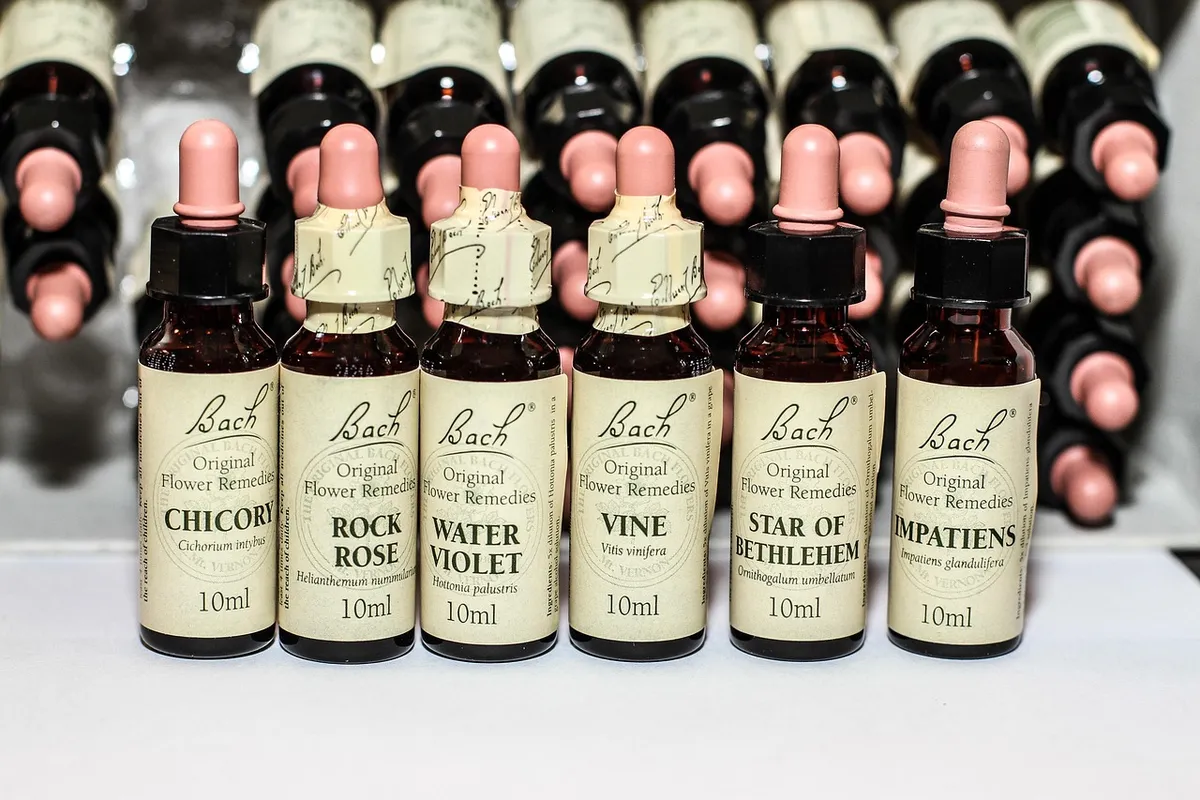
A clinician reviews a patient's chart while discussing herbal supplements with a colleague. An herbal treatment clinical trial is necessary to verify the claims made by manufacturers.
This means they are not evaluated for efficacy in the same way as prescription drugs. This distinction is crucial for consumers to understand.
Over the years 2017–2021, the US Food and Drug Administration (FDA) issued warning letters to numerous herbalism companies for illegally marketing products under "conditions that cause them to be drugs under section 201(g)(1) of the Act".
Such actions highlight the tension between marketing and medical reality.
How can we manage modernizing ancient scripts?
A librarian carefully preserves a fragile, hand-written manuscript in a climate-controlled room. The process of modernizing ancient scripts involves translating historical knowledge into actionable, safe data.
| Aspect | Finding |
|---|---|
| Unregistered Remedies | Almost 20 percent in a 2014 survey |
| Pharmaceutical Additives | Over 700 analyzed supplements in 2018 |
I looked at these figures and realized how much of our current supplement market relies on unverified data. Using these comparisons helps clarify the scale of the regulatory challenge.
One limitation involves the lack of universal oversight.
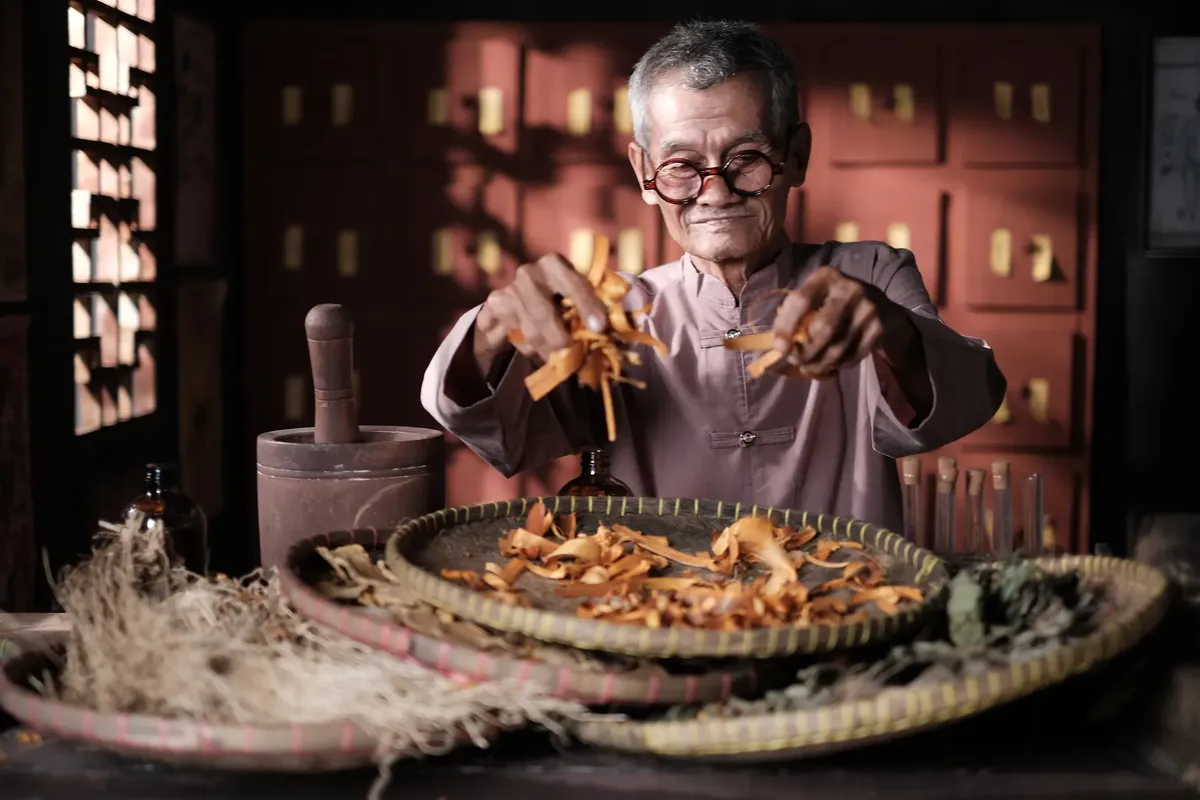
Wikipedia: Herbal medicine (full) Based on the retained excerpt mentioning WHO: The World Health Organization (WHO) estimates that 80 percent of the population of some Asian and African countries presently uses herbal medicine for some aspect of primary health care.
Wikipedia: Herbal medicine (full) Based on the retained excerpt mentioning Therapeutic Goods Administration: Researchers at the University of Adelaide found in 2014 that almost 20 percent of herbal remedies surveyed were not registered with the Therapeutic Goods Administration, despite this being a condition for their sale.
The same subject is also called Traditional cure modern science.
The same subject is also called Old treatment modern view.
This part also covers Traditional medicine research.
Related
How is the history of medicine informed by modern science?
The history of medicine shows that ancient practices often lay the groundwork for modern pharmacological understanding. The chemical interactions observed in historical remedies are what modern researchers are now attempting to isolate and study rigorously.
According to the Traditional Knowledge Digital Library, topics such as Chinese herbology, ethnobotany, and ethnomedicine are part of the study of traditional medicine.
This transition from empirical use to scientific validation is where the most significant advancements occur.
What cautions exist regarding the integration of these practices?
One major caution involves the variability in product composition when moving from traditional use to commercialized supplement. The lack of standardization in preparation methods means that the exact chemical profile of a remedy can shift significantly between batches.
This unpredictability poses a direct safety concern for the consumer relying on the treatment.







Comments 0