Herbal medicine safety: 40% use traditional remedies guide
"The reliance on traditional remedies remains a global constant, yet the gap between ancient practice and modern regulatory oversight creates significant risks for the consumer."
Ensuring herbal medicine safety requires verifying product registration, understanding regulatory standards, and being aware of potential pharmaceutical additives. This guide covers how to navigate these risks by looking at global usage trends and oversight mechanisms.
Why is herbal medicine safety a global priority?
At dusk, a researcher rubs tired eyes while staring at a mountain of herbal bottles spread across a wooden desk.
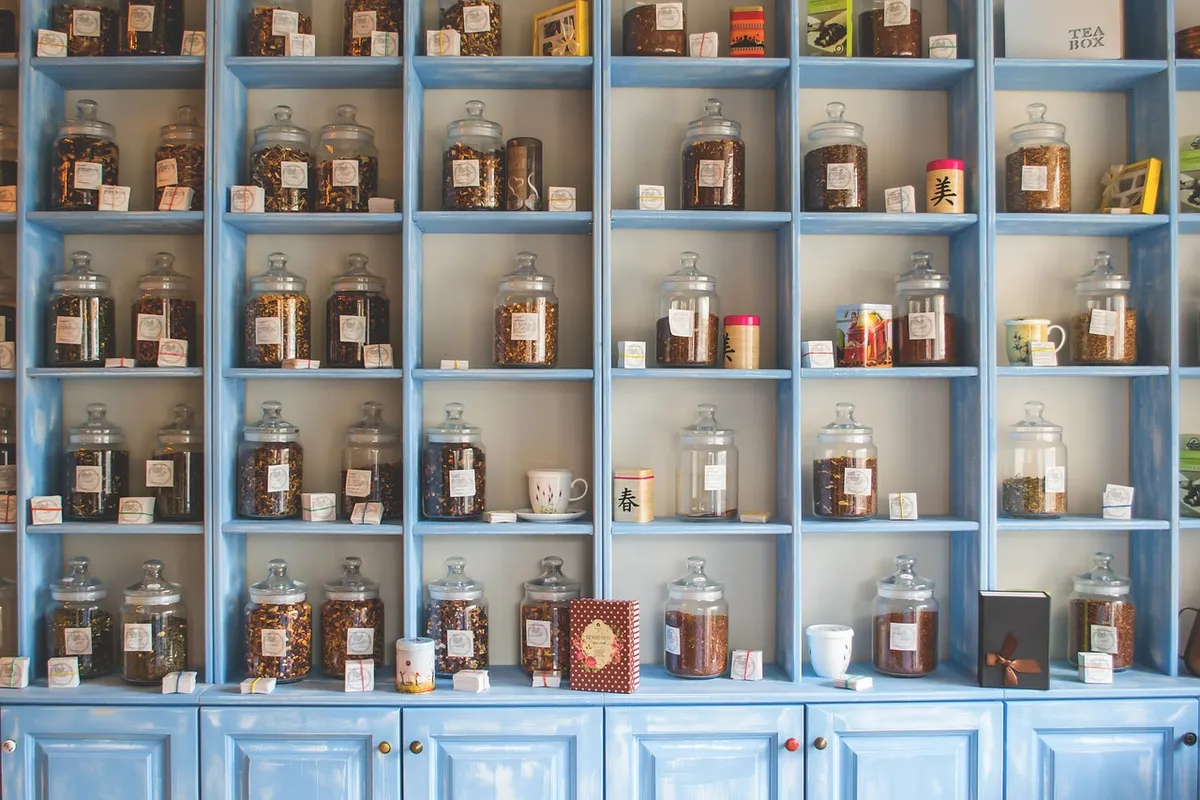
A researcher sits at a desk, reviewing a stack of herbal supplement bottles from various international suppliers. The sheer volume of products reflects a massive global demand for natural alternatives.
The scale of usage makes herbal medicine safety a critical concern for public health officials.
According to a 2024 World Health Organization global survey, two-thirds of countries globally report at least 40% of their population uses traditional, complementary, or integrative medicine, with higher usage noted in African and Southeast Asian countries.
This widespread use means that any lack of standardization can impact millions of people simultaneously.
In this sequence, the first point is the most fundamental.
How much of the population relies on these remedies?
In the quiet morning heat, a clinician wipes sweat from her brow as she watches patients hand over small bottles of herbal tinctures at the village clinic.
The World Health Organization reports that 40% of countries globally report at least 40% of their population uses traditional, complementary, or integrative medicine.
A clinician walks through a community clinic in a rural setting, noting how many patients bring in traditional tinctures for primary care. The reliance on these methods is often a matter of necessity.
The scale of reliance varies significantly by region. The World Health Organization (WHO) estimates that 80 percent of the population of some Asian and African countries presently uses herbal medicine for some aspect of primary health care.
Because these products are often the first line of defense in many cultures, understanding their quality is vital for community health.
According to Therapeutic Goods Administration, the 2014 record includes 20%.
What are the risks of unregulated products?
An inspector examines a shipment of supplements, checking for labels that might be missing required registration marks. The absence of paperwork can hide dangerous inconsistencies.
Unregulated markets pose a direct threat to consumer health. Researchers at the University of Adelaide found in 2014 that almost 20 percent of herbal remedies surveyed were not registered with the Therapeutic Goods Administration, despite this being a condition for their sale.
This lack of registration means the contents may not match the labels, leading to unpredictable outcomes.
How do regulatory agencies set quality standards?

A scientist in a laboratory adjusts a microscope, preparing to evaluate the chemical composition of a botanical extract. Strict criteria are necessary to turn traditional knowledge into reliable medicine.
To manage these risks, agencies establish rigorous evaluation frameworks.
Establishing guidelines to assess the safety and efficacy of herbal products, the European Medicinesly Agency provided criteria in 2017 for evaluating and grading the quality of clinical research in preparing monographs about herbal products.
These standards help ensure that the research used to support a product is scientifically sound.
What hidden dangers can be found in "natural" products?
A health official reviews a laboratory report showing unexpected chemical structures in a bottled supplement. The presence of hidden substances can lead to accidental overdoses or drug interactions.
Safety is often compromised by intentional or accidental contamination. In a 2018 study, the FDA identified active pharmaceutical additives in over 700 analyzed dietary supplements sold as "herbal", "natural" or "traditional".
These additives can cause serious side effects because the user is consuming drugs without a prescription or medical supervision.
How can consumers ensure they are using safe products?
A consumer carefully reads the fine print on a supplement label, looking for verification from recognized health authorities. Taking proactive steps can mitigate the risks of adulteration.
To navigate the market safely, follow these steps:
- Verify registration: Check if the product is registered with your local national health authority, such as the Therapeutic Goods Administration or the FDA, to ensure it meets legal sale requirements. 2. Inspect for additives: Be cautious of products that claim to have immediate, powerful medicinal effects, as these may contain the hidden pharmaceutical additives identified in regulatory studies. so
- Review research quality: Look for products that are backed by monographs or clinical research that meets established international criteria for quality.
Always cross-reference any new herbal supplement with a healthcare professional to prevent dangerous interactions with existing medications.
- Verify the authenticity of the source.
- Check for standardized ingredient labeling.
- Consult a healthcare professional before use.
Wikipedia: Herbal medicine (full) Based on the retained excerpt mentioning WHO: The World Health Organization (WHO) estimates that 80 percent of the population of some Asian and African countries presently uses herbal medicine for some aspect of primary health care.
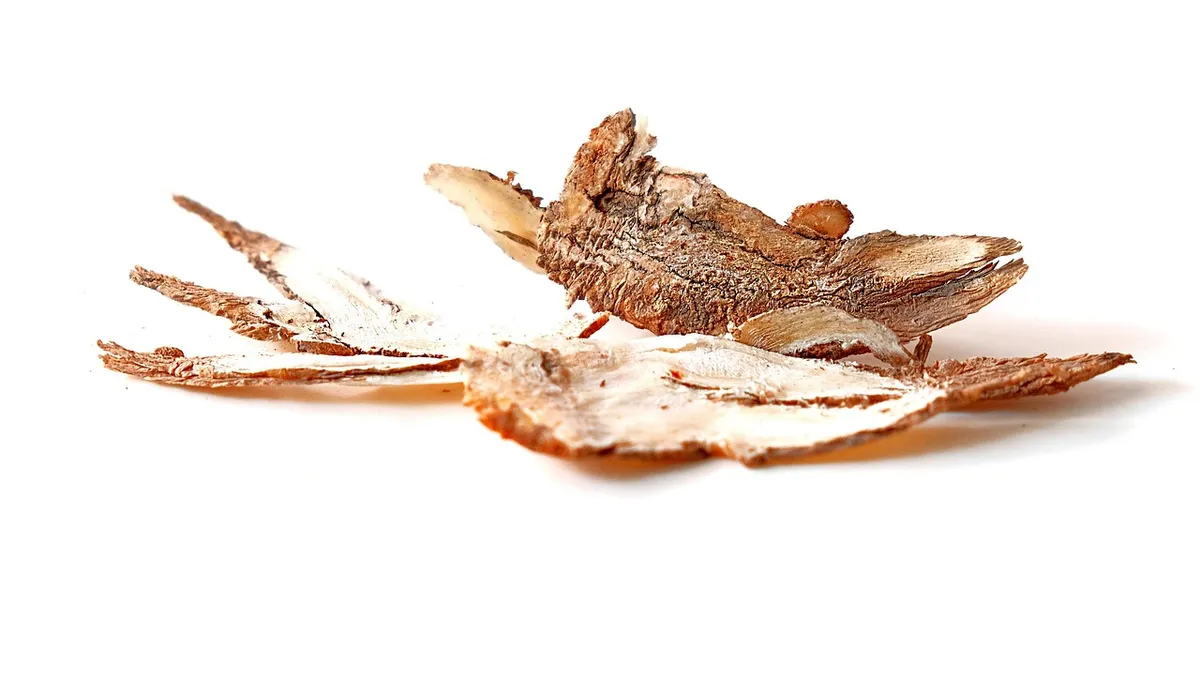
Wikipedia: Herbal medicine (full) Based on the retained excerpt mentioning Therapeutic Goods Administration: Researchers at the University of Adelaide found in 2014 that almost 20 percent of herbal remedies surveyed were not registered with the Therapeutic Goods Administration, despite this being a condition for their sale.
The same subject is also called Herbal medicine testing.
The same subject is also called Herbal drug validation.
The same subject is also called Herbal medicine proof.
The same subject is also called Herbal use safety.
This part also covers Modern medicine review.
This part also covers Clinical evidence base.
Related
- Herbal medicine modern science: Why modern use is rising
- Zinc candy health benefits: 2.89mg in cereal guide
Why is the continuation of traditional reliance important?
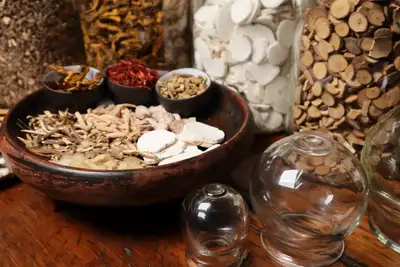
The continued reliance on traditional remedies reflects a deep-seated cultural practice across many communities globally. This enduring use highlights the cultural significance attached to these time-tested preparations.
The sheer volume of users underscores the depth of this reliance on non-modern approaches to wellness.
What challenges does this traditional reliance present?
While the reliance on traditional knowledge offers continuity, it also introduces vulnerability regarding modern safety benchmarks. The gap between ancient practice and modern regulatory oversight creates significant risks for the consumer.
This mismatch requires careful navigation to ensure that the benefits outweigh the potential harms associated with unregulated use.
Disclaimer: This article is general information, not medical advice. Consult a qualified healthcare professional before taking any supplement or medication.




Comments 0