Herbal medicine 40% guide to modern safety
"The history of healing is as old as humanity itself, yet the bridge between ancestral wisdom and modern laboratory precision remains a complex path to navigate."
Integrating traditional medicine with modern science requires careful scrutiny of clinical evidence and regulatory standards to ensure patient safety.
This guide examines how global usage patterns, rising research volumes, and rigorous institutional oversight work together to modernize ancient prescriptions.

Key takeaways include the high global prevalence of traditional medicine, the necessity of randomized controlled trials for validation, and the importance of institutional oversight in preventing harmful treatments.
How does global usage influence herbal medicine modern safety?
A researcher sits at a desk, comparing demographic maps that show vast differences in healthcare reliance across continents.
According to a 2024 World Health Organization global survey, two-thirds of countries globally report at least 40% of their population uses traditional, complementary, or integrative medicine; reported usage is higher among African and Southeast Asian countries.
This widespread reliance necessitates a focus on how to maintain safety while respecting cultural practices.
The scale of usage means that any shift in safety protocols affects millions of people. While the prevalence is high, the methods of verification vary significantly between regions. Integrating old cures new science is the primary challenge for health authorities worldwide.
This effort seeks to bridge the gap between anecdotal success and standardized medical protocols.
In this sequence, the second point is the most extensive.
Is there enough scientific proof to use herbal medicine? A scientist peers through a microscope, looking for molecular signatures that match historical descriptions of plant properties. According to a 2005 book by a US Institute of Medicine panel, the number of RCTs focused on CAM has risen dramatically.
This surge in randomized controlled trials provides a foundation for understanding how these substances interact with human physiology.
The increase in clinical research allows for a more structured approach to validation. An ancient formula modern use transition requires moving from observation to empirical data. As more studies are conducted, the ability to identify specific active compounds becomes more feasible.
This data-driven approach is essential for integrating these methods into standard healthcare.
What are the risks of using ancient formulas today? A medical professional reviews a file, noting the consequences of unverified treatments on patient outcomes.
In 2014, the American Academy of Family Physicians withdrew course credits for functional medicine courses, having identified some of its treatments as "harmful and dangerous." This historical decision highlights the necessity of maintaining strict standards to prevent the adoption of unsafe practices.
The danger lies in treatments that lack a clear mechanism of action or proven safety profiles. Safety testing herbal medicine must be a continuous process to prevent harm. Without rigorous oversight, the transition from traditional to modern can lead to unintended health consequences.
Protecting patients requires a skeptical and evidence-based approach to all new therapeutic claims.
How can we ensure safety through herbal medicine clinical trial standards?
A lab technician carefully prepares a sample, ensuring that every variable is controlled for the next phase of testing. The goal of these trials is to replicate traditional results under standardized conditions to ensure consistency.
This process is vital for anyone looking to blend historical knowledge with contemporary medical requirements.

Standardization is the cornerstone of safety in any pharmacological application. By subjecting traditional substances to modern testing, researchers can identify dosage requirements and potential side effects.
This rigorous testing ensures that the pursuit of natural remedies does not compromise patient well-being.
What are the practical steps for integrating traditional remedies?
A practitioner sits with a patient, discussing how to incorporate different health approaches safely. To navigate this intersection, one should follow these steps:
- Research the specific botanical or therapeutic history through reliable academic or institutional databases. 2. Consult with medical professionals to identify potential drug interactions or contraindications with existing treatments. 3. Prioritize products that have undergone standardized manufacturing processes to ensure purity and dosage accuracy.
After selecting a path, always perform a final check by monitoring for any adverse reactions or changes in health status.
| Aspect | Traditional Context | Modern Scientific Context |
|---|---|---|
| Primary Focus | Cultural heritage and anecdotal success | Randomized controlled trials and biochemical data |
| Regulatory Goal | Preservation of tradition | Patient safety and standardized efficacy |
I personally find that reviewing the latest clinical data before considering any new supplement is the most critical step in my own health routine.
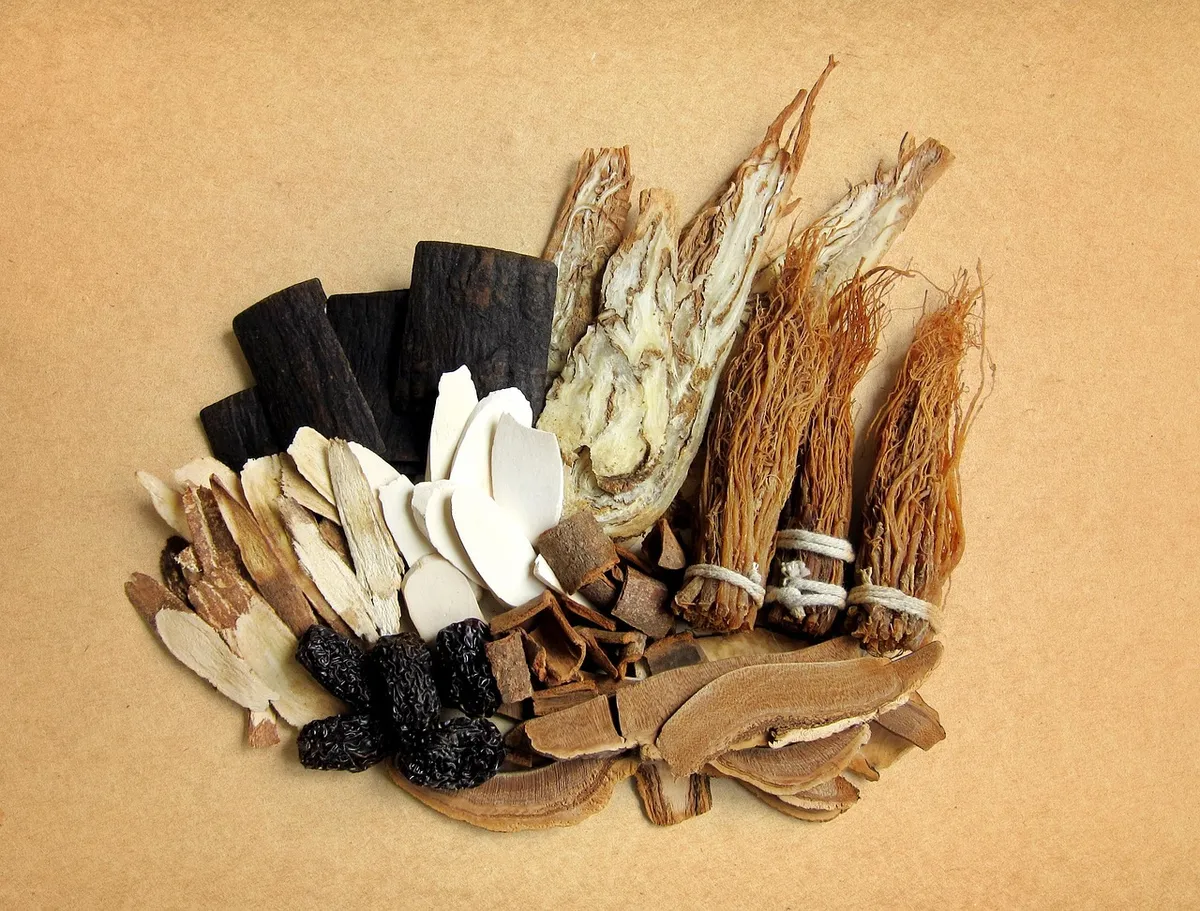
- Identify specific botanical ingredients and their traditional applications.
- Establish standardized extraction methods to ensure consistency.
- Implement rigorous quality control protocols for every batch produced.
What are the limitations of these safety measures?
A doctor pauses during a consultation, acknowledging that not all traditional practices can be easily quantified by current technology.
A significant limitation is that certain traditional practices or highly specific cultural applications may not fit neatly into the standardized models of modern clinical trials.
The subject here is Herbal medicine modern safety.
The same subject is also called Traditional remedy modern care.
The same subject is also called Herbal medicine scientific proof.
This part also covers Modernizing ancient prescriptions.
Integrating old cures new science
Related
- Herbal medicine safety: 40% use traditional remedies guide
- Herbal medicine modern science: Why modern use is rising
Disclaimer: This article is general information, not medical advice. Consult a qualified healthcare professional before taking any supplement or medication.






Comments 0