Integrate herbal medicine: How to use ancient wisdom best
"The integration of ancient wisdom with modern clinical rigor remains one of the most complex frontiers in global healthcare."
Integrating herbal medicine into modern clinical settings requires a strict focus on evidence-based research and safety protocols to bridge the gap between ancestral knowledge and contemporary medicine.
This guide explores how global systems manage these practices, the necessity of randomized controlled trials, and the critical safety boundaries established by medical academies.
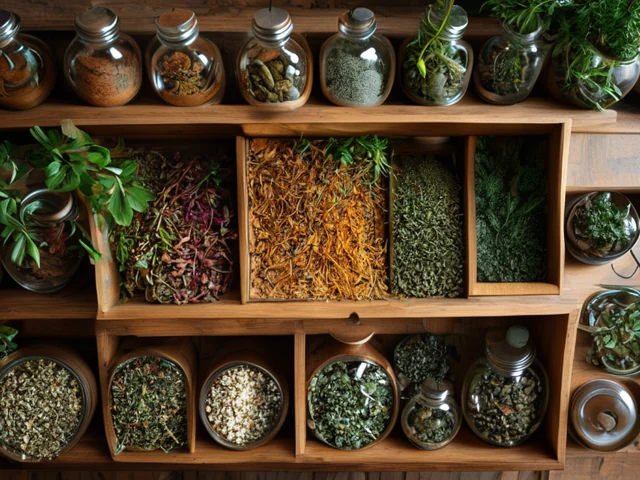
* Global usage patterns of traditional medicine. * The role of clinical research in validating complementary therapies. * Safety risks and institutional warnings regarding unverified treatments. * The distinction between dietary nutrients and medical interventions.
How do we integrate herbal medicine into global care?
A doctor in a bustling clinic reviews a patient's chart, noting both prescribed pharmaceuticals and various botanical supplements. To integrate herbal medicine effectively, healthcare systems must balance cultural practices with rigorous scientific validation.
This process ensures that traditional remedies do not interfere with standard biomedical protocols.
According to a 2024 World Health Organization global survey, two-thirds of countries globally report at least 40% of their population uses traditional, complementary, or integrative medicine. This usage is notably higher among African and Southeast Asian countries.
The WHO supports the integration of these methods but warns of potential risks, calling for more research regarding safety and effectiveness.
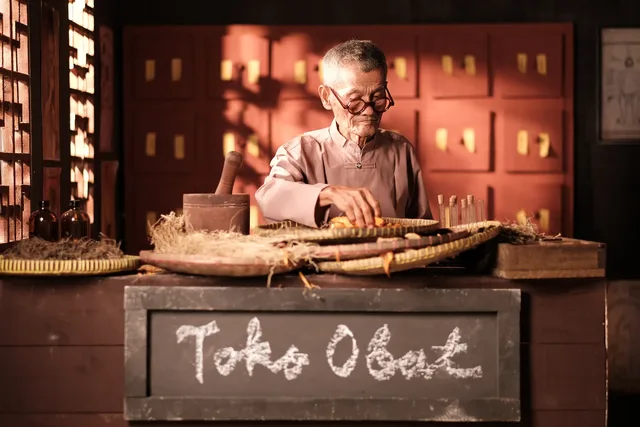
The transition from folk practice to clinical application requires a medical integration approach. This means moving away from anecdotal evidence toward standardized dosing and known chemical profiles.
As healthcare becomes more personalized, the synergy between different healing modalities becomes a primary focus for global health policy.
- Standardize botanical extracts for consistent dosing.
- Train healthcare providers on herb-drug interactions.
- Develop regulatory frameworks for herbal products.
Why is research vital for traditional treatment modern care?
A researcher sits in a quiet laboratory, meticulously documenting the results of a double-blind study. Understanding the efficacy of ancient prescriptions modern health relies heavily on the volume of high-quality data available to clinicians.
Without this data, doctors cannot safely recommend supplements alongside conventional drugs.
According to a 2005 book by a US Institute of Medicine panel, the number of RCTs focused on CAM has risen dramatically. These randomized controlled trials provide the necessary evidence to determine if a botanical extract produces a measurable physiological change.
This rise in research helps transform "alternative" ideas into "integrative" medical tools.

Healthcare system synergy analysis suggests that when traditional knowledge is subjected to the same scrutiny as synthetic drugs, the results are more predictable.
By applying modern testing to historical remedies, the medical community can identify which substances offer genuine support and which are merely inert.
In this sequence, the second step is the longest.
What are the risks of herbal remedy hospital use?
A nurse pauses while preparing a medication tray, double-checking a patient's list of herbal supplements for potential contraindications. Using an herbal remedy hospital use requires extreme caution because some traditional preparations can interact dangerously with modern medications.
Safety must always take precedence over cultural preference.
The risks are not merely theoretical, as some practices have been formally de-certified.
In 2014, the American Academy of Family Physicians withdrew course credits for functional medicine courses, having identified some of its treatments as "harmful and dangerous." This decision highlights the necessity of maintaining strict boundaries between proven medicine and unverified claims.

To manage these risks, clinicians should follow these steps: 1. Conduct a thorough review of all patient-reported botanical intake. 2. Cross-reference herbal ingredients with known drug-interaction databases. 3. Monitor patient vitals for unexpected physiological shifts following supplement changes.
- Perform a final check to ensure no "harmful and dangerous" protocols are being implemented.
I once observed a practitioner carefully documenting the exact botanical species used in a patient's tea to ensure no overlap with their blood pressure medication.
How does nutrition differ from medical prescriptions?
A nutritionist measures out portions of raw pineapple and canned refried beans for a meal plan. It is important to distinguish between the nutritional benefits of traditional foods and the therapeutic claims of medicinal plants.
While food provides essential micronutrients, it does not serve as a replacement for clinical treatment of disease.
For example, traditional dietary staples provide specific, measurable nutrients.
According to USDA FoodData Central, 100g of raw pineapple from traditional varieties contains 11.8g of carbohydrates, 45kcal of energy, 0.25mg of iron, 12mg of magnesium, 1mg of sodium, 3ug of vitamin A, 0.55g of protein, 16.9mg of vitamin C, and 11ug of folate.
Similarly, canned refried beans in a traditional style provide: | Nutrient (per 100g) | Amount | | :--- | :--- | | Folate | 11ug | | Vitamin C | 6mg | | Sodium | 370mg | | Potassium | 319mg |
These values represent dietary support rather than a medical cure. A limitation of using nutritional data to justify medical integration is that dietary intake is not a substitute for the standardized concentrations found in clinical extracts.
This part also covers Evidence based herbal use.
This part also covers Parallel drug therapy review.
Evidence based herbal use
Related
- Natural products in modern medicine guide best practices
- Natural product usage guide: Why consult a doctor best
Disclaimer: This article is general information, not medical advice. Consult a qualified healthcare professional before taking any supplement or medication.




Comments 0