Natural product usage guide: Why consult a doctor best
"The natural world offers a vast library of substances, but every leaf and root carries a chemical complexity that requires careful handling."
Natural product usage requires strict adherence to safety protocols to prevent adverse reactions or dangerous interactions with prescription medications. This guide is for individuals seeking to integrate botanical elements into their wellness routine while maintaining medical safety.
You must consult a healthcare professional before use, monitor for potential drug interactions, and recognize that these substances are not substitutes for medical treatment.
What are the primary natural product usage guide principles?
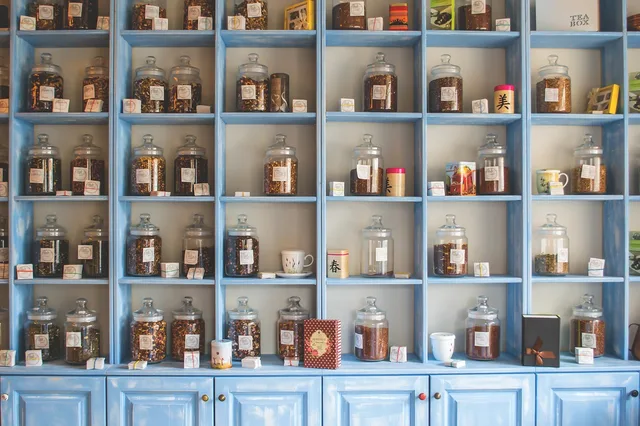
At noon in the quiet kitchen, you squint at the fine print on the label to grasp every natural guideline.
A person sits at a kitchen table, carefully reading the fine print on a botanical supplement bottle. They pause to check the ingredients against a list of their current medications.
Understanding natural product usage guide principles is essential for anyone integrating herbal elements into a daily regimen. While these substances originate from nature, they contain bioactive compounds that can significantly alter how your body processes other drugs.
You must prioritize professional consultation to navigate these complexities safely.
The most critical aspect involves recognizing that "natural" does not equate to "risk-free." Botanical products can interfere with the metabolism of pharmaceuticals, either reducing their effectiveness or increasing their concentration in the bloodstream.
Always discuss your full list of supplements with a doctor to avoid these complications.
How do botanical substances interact with prescription drugs?
An individual watches a pharmacist explain the importance of ingredient labeling during a consultation. The light reflects off the glass vials on the counter.
The interaction between botanical substances and prescription drugs is a primary concern in modern wellness. When you consume a natural substance, it may trigger enzymatic pathways that change how your body handles medical treatments.
This can lead to unexpected side effects or a failure of the intended medication to work.
According to USDA FoodData Central, specific nutritional profiles exist within food sources, but these do not replace the need for clinical oversight regarding herbal supplements. For example, the chemical complexity of plants can mimic or block human hormones and neurotransmitters.
Always assume that any botanical supplement has the potential to impact your existing medical regimen.
Why is professional consultation a requirement?
A clinician reviews a patient's supplement history on a digital screen during a routine checkup. The room is quiet and professional.
Seeking expert advice is a fundamental step in using any natural substance safely. Because many traditional remedies have not undergone the same rigorous clinical testing as pharmaceutical drugs, their exact impact on specific medical conditions remains unverified.

A healthcare provider can help you weigh the potential benefits against the risks.
I once observed a person attempting to self-treat a chronic condition with various herbs, only to realize later that the substances were complicating their prescribed treatment. This highlights why professional guidance is non-negotiable.
Relying on traditional folklore without medical oversight can lead to significant health setbacks.
How can I ensure safe botanical product care?
A person organizes a small cabinet containing various dried herbs and standardized extracts. They carefully label each container by name.
Ensuring safe botanical product care involves several proactive steps to minimize risk. You should follow these steps to manage your wellness safely:
- Verify the source and purity of the supplement to avoid contaminants. 2. Track the dosage and frequency of use to ensure consistency. 3. Monitor your body for any new or unusual physical sensations.
After completing these steps, always perform a final check by reviewing the product's label for specific warnings regarding pregnancy or existing health conditions.
What are the risks of herbal use in specific conditions?
A researcher examines a specimen under a microscope to study its cellular composition. The laboratory setting is sterile and precise.
Understanding when to avoid herbal use is as important as knowing how to use them. Certain conditions make the body more sensitive to natural substances, making them potentially dangerous. For instance, those with liver or kidney issues must be extremely cautious.
The limitation of using natural products is that they are often not standardized for potency across different brands. This lack of uniformity means that one bottle might contain much higher concentrations of a specific compound than another.
This variability makes it difficult to predict how a substance will behave in your body.
How do I distinguish between traditional use and medical evidence?
A student compares an ancient botanical manuscript with a modern scientific journal. The texts sit side by side on a wooden desk.
Distinguishing between traditional use and medical evidence is vital for informed decision-making. Many plants have been used for centuries in various cultures, but historical use does not automatically prove clinical safety or efficacy.
| Aspect | Traditional Use | Medical Evidence |
|---|---|---|
| Basis | Historical observation | Clinical trials |
| Goal | Cultural wellness | Standardized treatment |

While traditional wisdom offers valuable insights into plant properties, it does not replace the necessity of modern clinical validation. Always prioritize evidence-based information when making decisions about your health.
- What are the primary natural product usage guide principles?
- How do botanical substances interact with prescription drugs?
- Why is professional consultation a requirement?
The same subject is also called Herbal use precautions.
The same subject is also called Plant material safety tips.
The same subject is also called Natural substance warnings.
This part also covers Natural medicine evidence base.
This part also covers Comparing natural to drugs.
Natural medicine evidence base
Related
Disclaimer: This article is general information, not medical advice. Consult a qualified healthcare professional before taking any supplement or medication.




Comments 0