Natural products in modern medicine guide best practices
"The use of medicinal plants remains a cornerstone of human health across diverse cultures."
Natural products in modern medicine provide a massive foundation for global health, with some two billion people relying on medicinal plants for their primary care. This guide explores the massive scale of herbal medicine value and the challenges of regulatory approval in the United States.
Key takeaways include the significant role of phytochemicals in cancer treatment and the global reliance on traditional practices.
How much of the world relies on natural products in modern medicine?
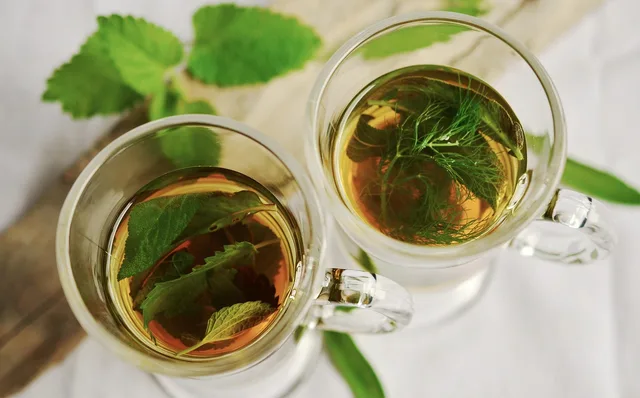
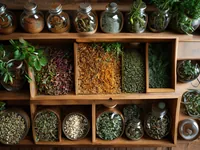
A researcher sifts through dried leaves in a quiet laboratory, contemplating the sheer scale of human reliance on botany.
This includes a vast array of plant-based solutions that serve as the primary healthcare for many.
The reliance on these substances is staggering. Perhaps some two billion people are largely reliant on medicinal plants. This immense scale highlights why herbal medicine value is a critical component of global public health discussions.
What is the scale of medicinal plant use?
Under the midday sun in a vast field, a specialist breathes in the scent of the diverse natural crops.
An agricultural specialist walks through rows of diverse crops under a bright sun, counting the varieties available to humans. The Food and Agriculture Organization estimated in 2002 that over 50,000 medicinal plants are used across the world.
According to The World Health Organization, some two billion people are largely reliant on medicinal plants.
According to The Food and Agriculture Organization, it was estimated in 2002 that over 50,000 medicinal plants are used across the world.
This variety provides a massive library of potential biological compounds for future study.
The diversity of these plants fuels a complex global market. The markets for medicinal and aromatic plants are grouped into manufacturing categories including pharmaceuticals, dietary supplements, food, and cosmetics. The pharmaceutical and supplement category accounts for about 60% of the total.
How does natural drug research influence cancer treatments?
A chemist observes a molecular structure on a screen, tracing the lineage of a new compound back to a forest. The scientific basis of herbal use is evident in high-stakes oncology.
Among cancer treatments, of 185 small-molecule drugs approved in the period from 1981 to 2019, 65% were derived from or inspired by natural substances.
This high percentage demonstrates how plant extracts for health have fundamentally changed the way we approach complex diseases. This integration of natural compounds into modern medicine highlights the profound phytochemical medical worth found in nature.
How is the quality of these products regulated?
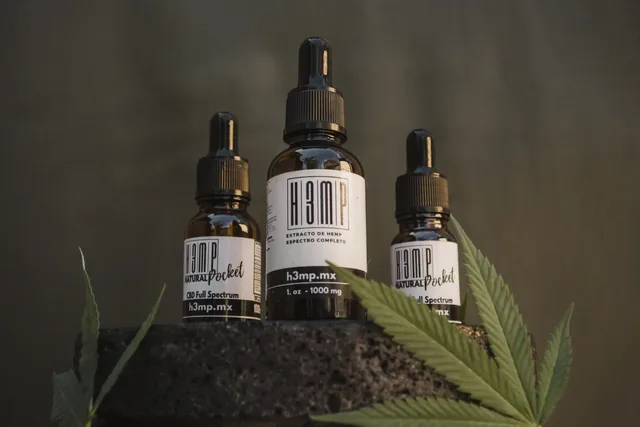
A regulatory officer reviews a thick stack of compliance documents to ensure safety standards are met. Because many countries have little regulation of traditional medicine, the World Health Organization coordinates a network to encourage safe and rational use.
This coordination is vital for public safety.
The World Health Organization has been coordinating a network called the International Regulatory Cooperation for Herbal Medicines. This group works to improve the quality of medical products made from medicinal plants and the claims made for them.
What is the difficulty of drug approval in the United States?
A scientist waits for a final decision on a new application, knowing the rigorous standards required. The process of modern drug development from plants is exceptionally difficult.
In the United States, over the period 1999 to 2012, despite several hundred applications for new drug status, only two botanical drug candidates had sufficient evidence of medicinal value to be approved by the Food and Drug Administration.
I once reviewed the strict evidentiary requirements for these specific applications, noting how difficult it is to isolate single active components from complex plant matrices. The necessity for rigorous evidence remains a significant barrier for many natural compounds.
How do we ensure safety when using supplements?
A consumer checks the label on a bottle of vitamins before adding it to a shopping cart. During the COVID-19 pandemic, the market for dietary supplements and nutraceuticals grew by 5%.
According to USDA FoodData Central, tomato products, canned, sauce, with mushrooms contain 1.5g of dietary fiber, 8.43g of carbohydrates, 35kcal of energy, 48ug of vitamin A, 146kj of energy, 12.4mg of vitamin C, 9ug of folate, 1.45g of protein, 0.89mg of iron, and 19mg of magnesium.
This surge led the United States to take action to stop the deceptive marketing of herbal products used to combat the virus.
To navigate these products safely, follow these steps: 1. Verify that the product is from a reputable manufacturer. 2. Check for third-party testing or certification marks. 3. Consult a medical professional before starting a new regimen.
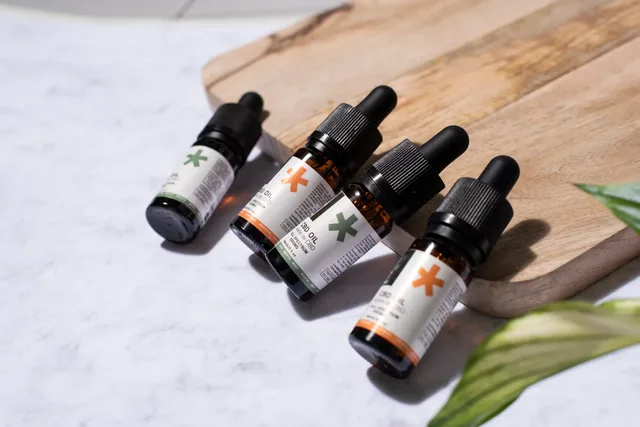
Always perform a final check of the ingredients list to ensure no hidden additives are present. It is important to remember that these products are not meant to replace medical treatment for acute conditions.
| Category | Market Trend |
|---|---|
| Dietary Supplements | 5% growth during pandemic |
| Pharmaceuticals/Supplements | 60% of total market |
The effectiveness of these substances is often limited by the lack of reliable data regarding the specific population demographics using them.
- How much of the world relies on natural products in modern medicine?
- What is the scale of medicinal plant use?
- How does natural drug research influence cancer treatments?
The subject here is Natural products in modern medicine.
Evidence for natural compounds
Related
Why is regulatory oversight necessary for herbal products?
Regulatory oversight is necessary because many countries have little regulation of traditional medicine. This lack of oversight necessitates coordination by the World Health Organization to ensure safe and rational use of medicinal plants.
How do researchers evaluate plant-based compounds?
Researchers evaluate plant-based compounds by comparing their properties to existing pharmaceutical standards. This comparison is essential when attempting to isolate single active components from complex plant matrices.
- Isolate the specific active component from the plant matrix. 2. Provide sufficient evidence of medicinal value. 3. Submit the application to the Food and Drug Administration for approval.
Disclaimer: This article is general information, not medical advice. Consult a qualified healthcare professional before taking any supplement or medication.



Comments 0