Bark Herbs Key Features and Woody Medicinal Herbs guide
"The strength of a plant is often hidden beneath its skin, waiting in the rigid layers of its bark and wood."
Bark herbs are a primary category of woody medicinal herbs, offering distinct chemical profiles that depend on the specific tree species and harvesting season. This guide helps readers distinguish between various bark herb types by examining their structural density and nutrient availability.
Focus on the physical integrity of the specimen, noting that woody medicinal herbs vary significantly in mineral content, and avoid using bark that shows signs of fungal decay or excessive moisture.
What are the key features of Bark Herb?
A person runs their fingers along the rough, textured surface of a fallen branch, feeling the deep ridges of the outer protective layer. Bark herbs are defined by their role as the protective outer layer of woody plants, which often concentrate specific secondary metabolites.
These woody medicinal herbs are categorized by how the bark is stripped, whether it is harvested from the trunk or smaller branches.
The characteristic texture and thickness of the bark often dictate how it is processed for use in traditional preparations. Different bark herb types offer varying levels of structural complexity, which affects their solubility during decoction.
Understanding these Bark Herb Key Features is essential for anyone collecting or preparing woody botanical materials.
How to identify Woody Medicinal Herbs? Bark Herbs Key Features
The sunlight hits a pile of dried wood fragments on a workshop table, highlighting the difference between smooth inner layers and coarse outer skins. Identifying woody medicinal herbs requires a close inspection of the vascular cambium and the outer cork.
Practitioners often look for specific colorations and the presence of resinous substances that indicate the age of the specimen.

When comparing bark herbs, the density of the wood serves as a primary indicator of maturity. Younger bark may be too soft and lack the concentrated properties found in older growth. You can observe these differences by checking the weight and the snap-test of a dried sample.
| Feature | Soft Bark | Hard Bark |
|---|---|---|
| Texture | Flexible and pliable | Rigid and brittle |
| Maturity | Young growth | Mature specimen |
How do Bark Herbs compare by nutrient profile?
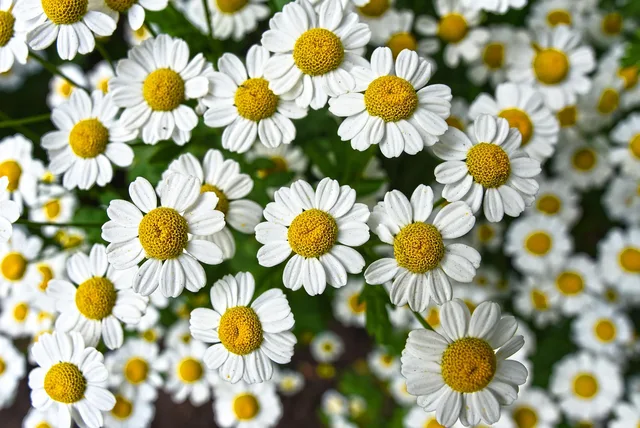
A researcher carefully weighs a sample of dried chamomile tea, noting the minute amounts of minerals present in the brewed liquid. While many focus on the wood, some bark-derived or herbal infusions provide specific micronutrients.
According to USDA FoodData Central, brewed chamomile tea contains 0.08mg of iron and 1mg of magnesium per 100g.
These values represent the nutritional density found in liquid extractions rather than the raw wood itself. It is important to distinguish between the structural components of the bark and the soluble elements released during preparation.
I once observed how the clarity of a decoction changed based on the age of the woody material used.
What are the steps for selecting Bark Herb Types?
A collector carefully selects a piece of bark from a fallen limb, checking the underside for any signs of rot. To ensure the quality of your selection, follow these specific steps:
- Examine the outer surface for consistent color and a lack of deep cracks that suggest dehydration. 2. Test the internal layer to ensure the cambium is intact and free from insect tunneling. 3. Verify that the specimen is completely dry to the touch to prevent mold growth during storage.
After completing these steps, perform a final check by smelling the bark for any sour or musty odors. This process ensures that the Bark Herb Selection remains consistent with high-quality standards.
When is selection limited?
A student holds a piece of bark that feels unnaturally heavy and damp, realizing it cannot be used. The selection process is limited when the specimen has been exposed to prolonged ground moisture or significant fungal colonization.
In such cases, the chemical integrity is compromised, and the material is no longer suitable for traditional use.
- What are the key features of Bark Herb?
- How to identify Woody Medicinal Herbs?
- How do Bark Herbs compare by nutrient profile?
The subject here is Bark Herbs Key Features.
This part also covers Woody Herb Benefits.
This part also covers Bark Herb Comparison.
Bark Herb Guide
Related
- Integrate herbal medicine: How to use ancient wisdom best
- Natural products in modern medicine guide best practices
Which conditions affect the plant strength?
The plant strength is influenced by the structural density and the mineral content found within the woody layers. You should compare the soft bark of young growth to the rigid bark of mature specimens to understand these variations.
While younger bark remains flexible and pliable, older growth provides a more brittle and rigid texture.
Comparing these two types helps in determining the maturity of the specimen. You can assess this by performing a snap-test on a dried sample to check the weight and the resistance of the wood.
How to avoid improper bark selection?
Avoid using bark that shows signs of fungal decay or excessive moisture to ensure the material is suitable. You must check the underside of a fallen limb for rot and inspect the internal layer for insect tunneling.
If the specimen feels unnaturally heavy or damp, it indicates a condition that compromises the chemical integrity.
Always verify that the specimen is completely dry to prevent mold growth. A final caution involves smelling the bark for sour or musty odors, which signals that the material is no longer high-quality.
How does moisture impact the plant strength?
Moisture affects the plant strength by potentially introducing fungal decay or excessive dampness into the woody layers. You should avoid any specimen that feels unnaturally heavy or damp, as this condition indicates that the material is no longer suitable.
If the bark shows signs of rot on the underside, the chemical integrity is compromised.
Comparing a dry specimen to a damp one reveals how moisture influences the structural density. A dry sample will pass the snap-test and feel light, whereas a damp sample may feel heavy and soft.
This comparison helps you distinguish between high-quality bark and material that has been exposed to prolonged ground moisture.
What is the difference between soft and hard bark?
Hard bark is characterized by a rigid and brittle texture, whereas soft bark is flexible and pliable. You can identify these differences by examining the maturity of the specimen, as soft bark typically comes from young growth.
In contrast, hard bark is found in mature specimens that have developed a higher structural complexity.
- Check the texture to see if the material is pliable or rigid. 2. Evaluate the maturity by observing if the growth is young or mature. 3. Use the snap-test to confirm if the density matches the expected hardness.
Disclaimer: This article is general information, not medical advice. Consult a qualified healthcare professional before taking any supplement or medication.


Comments 0