How should I approach herbal medicine safe use?
"The natural world offers a vast pharmacy, but not every leaf or root is a safe substitute for clinical care."
Understanding herbal medicine safe use requires recognizing that natural origins do not automatically guarantee purity or regulatory oversight. This guide explores how to navigate the complexities of herbal remedies, including risks of adulteration and the importance of checking labels.
Key takeaways include the necessity of verifying product registration, being aware of hidden pharmaceutical additives, and understanding that natural products are often regulated as dietary supplements rather than drugs.
How should I approach herbal medicine safe use?
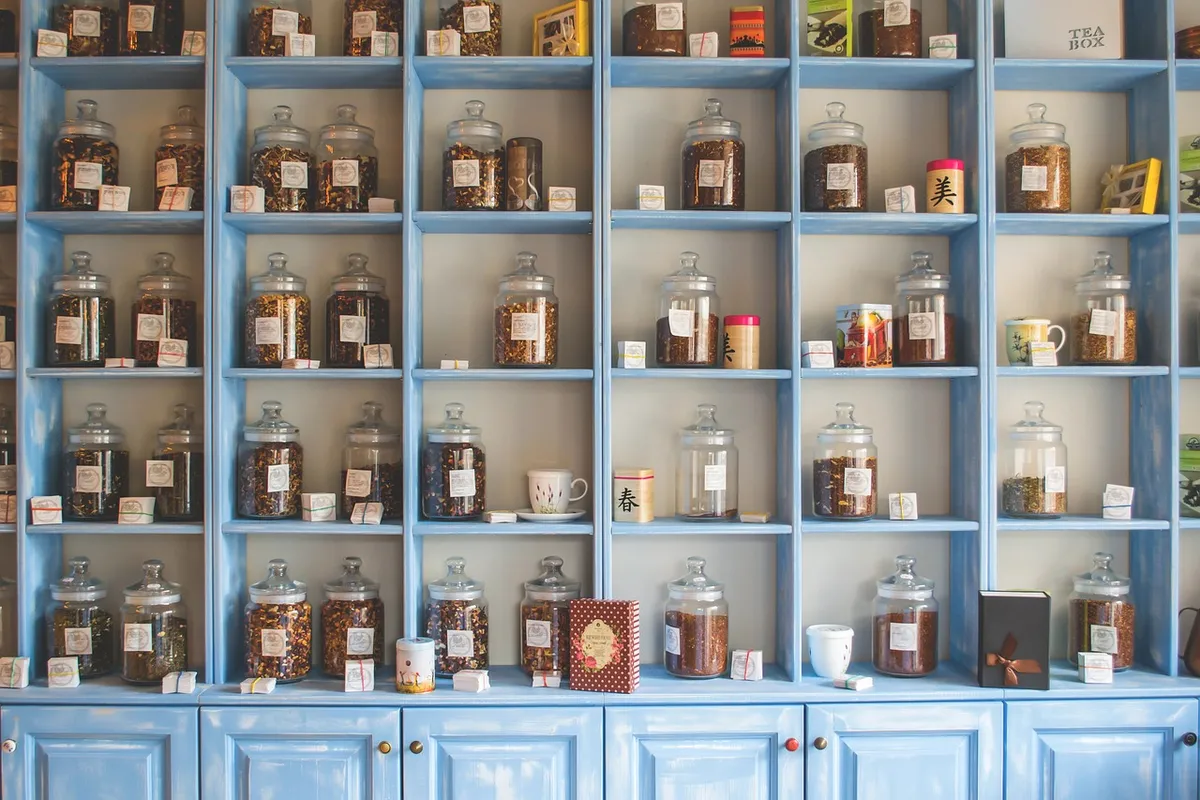
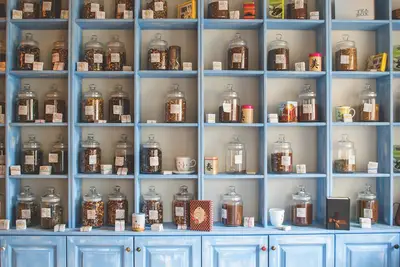
A person stands in a local health shop, scanning various colorful bottles for a natural remedy. They might assume that a label reading "natural" implies a standard of safety similar to prescription medication, but this is not always the case.
Herbal remedies are regulated as dietary supplements by the FDA.
In the United States, herbal remedies are regulated as dietary supplements by the FDA under current good manufacturing practice (cGMP) policy for dietary supplements. This means they are not held to the same rigorous pre-market testing as pharmaceutical drugs.
Because of this distinction, users must be proactive in researching the products they purchase.
The regulatory landscape can be complex.
This lack of universal licensing means that the responsibility for safety often falls on the consumer.
- Consult with a healthcare professional before starting any new regimen.
- Research the specific properties and contraindications of each herb.
- Monitor your body's reaction to every new supplement.
What are the risks of herbal remedy cautions?
In the dim light of my kitchen, a sudden wave of nausea hits me as I stare at the suspicious herbal extract in my hand.
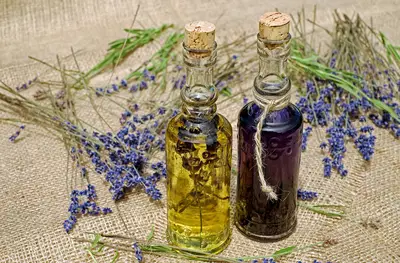
A consumer opens a bottle of herbal extract, expecting a pure botanical infusion, only to find unexpected effects. This surprise often stems from the fact that what is inside the bottle may not match the printed label.
The risk of hidden ingredients is a significant concern for those practicing herbal remedy cautions. In a study, researchers found that nearly 60 percent of products surveyed had ingredients that did not match what was on the label.
This discrepancy can lead to unintended health consequences or dangerous interactions with other medications.
The presence of undisclosed substances is well-documented. In a 2018 study, the FDA identified active pharmaceutical additives in over 700 analyzed dietary supplements sold as "herbal", "natural" or "traditional". These additives can turn a simple supplement into an unregulated drug.
In this sequence, the second step is the most critical.
According to Therapeutic Goods Administration, the 2014 record includes 20%.
How can I ensure herbs proper intake?
A person carefully measures a liquid extract, wondering if the dosage is correct for their specific needs. They look for guidance on how to manage these substances without causing harm.
To manage herbs proper intake, consumers should follow these steps:
- Verify the registration status of the product with the appropriate national health authority to ensure it meets legal sale requirements. 2. Check the ingredient list against the physical symptoms or health goals to ensure no conflicting substances are present. 3. Consult a healthcare professional to check for potential interactions with existing medications or underlying health conditions.
I remember once checking a bottle of liquid extract to ensure the ethanol percentage was within the expected range for a tincture. It is vital to know exactly what you are consuming.
It is important to note that certain populations face higher risks.
For instance, few studies are available on the safety of herbs for pregnant women, and one study found that use of complementary and alternative medicines is associated with a 30% lower ongoing pregnancy and live birth rate during fertility treatment.
What is the role of a natural medicine guide?
A reader sits at a desk, comparing different monographs and research papers to find reliable information. They seek a clear path through the sea of conflicting health claims.
According to the Traditional Knowledge Digital Library, the field encompasses Chinese herbology, ethnobotany, ethnomedicine, herbal medicinal fungi, and the 19th-century movement known as Thomsonianism.
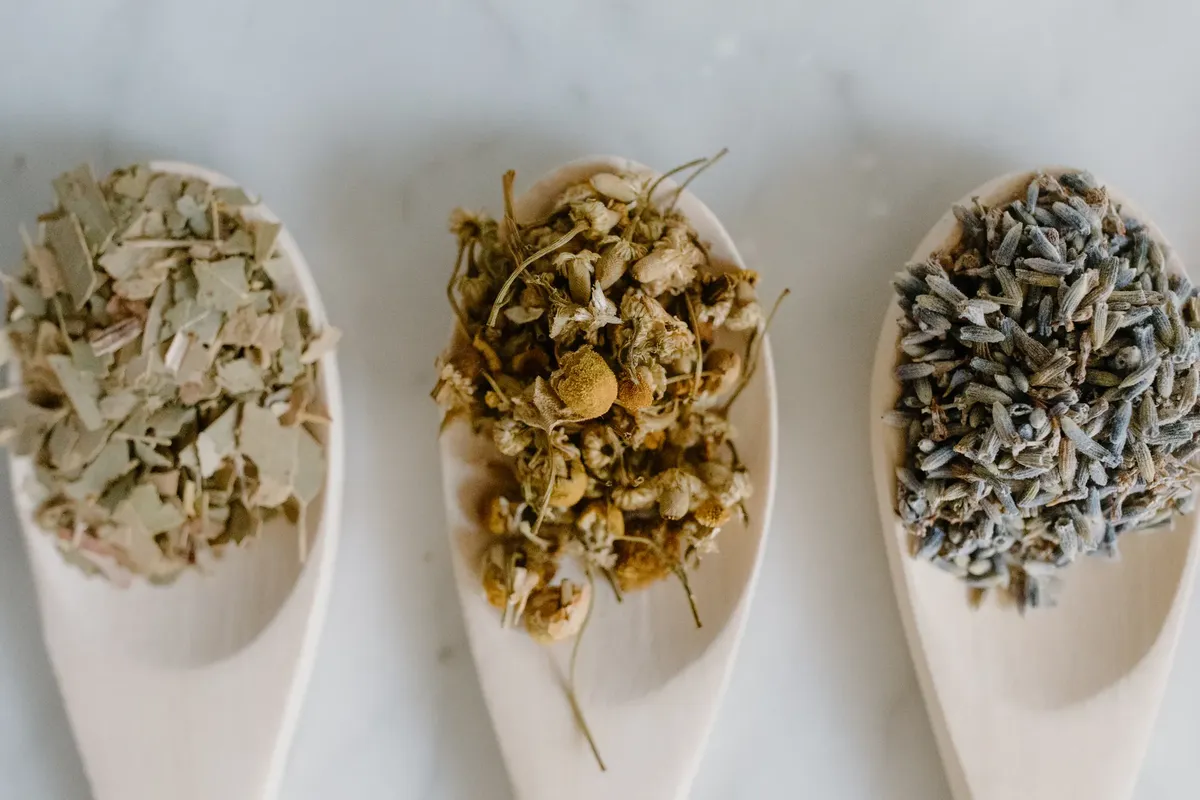
A reliable natural medicine guide should look toward established regulatory criteria. In 2017, the European Medicines Agency provided criteria for evaluating and grading the quality of clinical research in preparing monographs about herbal products.
These monographs serve as a scientific basis for understanding the quality and efficacy of botanical substances.
Regulatory bodies also act as a guide by issuing warnings. For example, during the COVID-19 pandemic, the FDA and US Federal Trade Commission issued warnings to several hundred American companies for promoting false claims that herbal products could prevent or treat COVID-19 disease.
Using these public notices can help identify unreliable manufacturers.
What are the implications of herbal intake safety?
A researcher reviews data from different countries, noting how different cultures rely on botanical medicine. They observe the vast scale of the global herbal market.
The scale of use highlights the necessity of herbal intake safety. The World Health Organization (WHO) estimates that 80 percent of the population of some Asian and African countries presently uses herbal medicine for some aspect of primary health care.
With such high usage, the impact of unregulated products is significant.
The lack of oversight in some regions remains a challenge. Researchers at the University of Adelaide found in 2014 that almost 20 percent of herbal remedies surveyed were not registered with the Therapeutic Goods Administration, despite this being a condition for their sale.
This demonstrates that even in regulated markets, compliance is not guaranteed.
How do I handle herbalism side effect watch out?
A person feels a sudden change in heart rate after taking a new supplement and realizes they must act quickly. They realize that "natural" does not mean "side-effect free."
When practicing herbalism side effect watch out, one must recognize that botanical compounds are biologically active. Because they can affect physiological processes, they can cause adverse reactions.
This is especially dangerous when products contain undeclared additives that mimic prescription drugs.
| Risk Category | Description |
|---|---|
| Label Discrepancy | Ingredients that do not match the label |
| Pharmaceutical Adulteration | Active drug additives found in "natural" products |
I once had to carefully check the label of an herbal extract to ensure it did not contain ingredients that could interfere with my daily routine. Always read the full ingredient list before use.
One limitation to consider is that the level of purity and the concentration of active compounds can vary significantly between different brands and batches, making consistent dosing difficult.
Wikipedia: Herbal medicine (full) Based on the retained excerpt mentioning WHO: The World Health Organization (WHO) estimates that 80 percent of the population of some Asian and African countries presently uses herbal medicine for some aspect of primary health care.
Wikipedia: Herbal medicine (full) Based on the retained excerpt mentioning Therapeutic Goods Administration: Researchers at the University of Adelaide found in 2014 that almost 20 percent of herbal remedies surveyed were not registered with the Therapeutic Goods Administration, despite this being a condition for their sale.
Related
- Medicine 700 risks guide to natural product
- Guide: Natural product safety testing for herbal medicine
Disclaimer: This article is general information, not medical advice. Consult a qualified healthcare professional before taking any supplement or medication.



Comments 0