Ginseng and Red Ginseng Guide: botanical plant traits
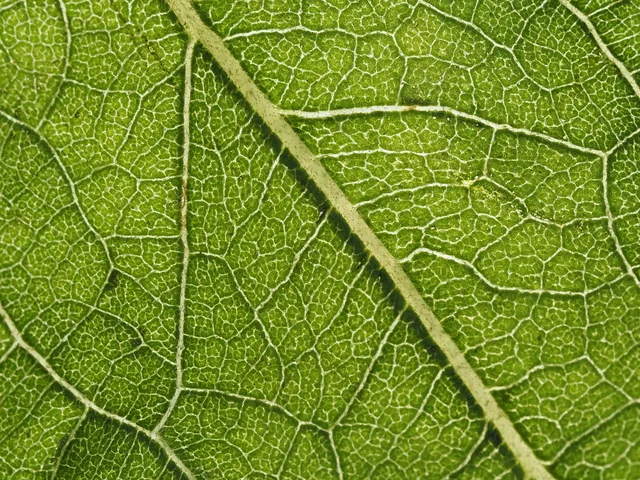
"Ginseng is an herbaceous perennial plant, 30–60 cm tall, with palmately compound leaves, serrated leaflets, a terminal umbel of 30–50 flowers, red round fruits, and kidney-shaped seeds."
This guide provides a comparison of ginseng and red ginseng to help you understand their botanical structures and processing methods.
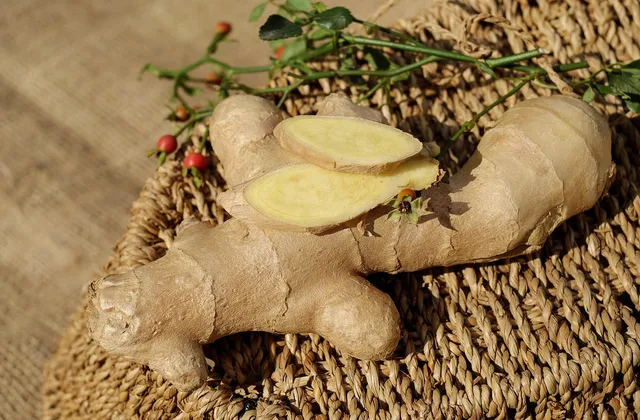
You should focus on identifying the physical characteristics of the plant and the steaming process used to create red ginseng, while noting that these roots are not approved by the FDA for treating diseases. 1. Botanical traits of Panax ginseng 2. The steaming process for red ginseng 3. Global production statistics * Nutritional profiles of related roots
What does ginseng root actually look like?
At dawn, I kneel in the damp forest to touch the serrated leaves of the ginseng plant.
A gardener kneels in the damp soil, pulling a long, fleshy root from the earth to inspect its shape. Identifying the specific physical markers of the plant helps distinguish it from other medicinal roots.
Panax ginseng is a herbaceous perennial that grows between 30 and 60 cm tall. The plant features palmately compound leaves with serrated leaflets and a terminal umbel containing 30 to 50 flowers.
Additionally, the peduncles of the flowers are 15 to 30 cm long, and the plant produces red round fruits with kidney-shaped seeds.
Understanding these morphological features is essential for anyone studying ginseng root benefits. I once observed a specimen where the serrated leaflets were particularly distinct against the dark soil.
How do you distinguish Ginseng vs Red Ginseng? Ginseng and Red Ginseng Guide
In the hot kitchen, I feel the thick steam rising as I examine the red ginseng.
A kitchen worker carefully monitors a steaming pot, watching the thick vapor rise from the heated roots. The difference between the two varieties lies entirely in the post-harvest treatment applied to the raw material.
Raw ginseng is typically peeled and dried to reduce the water content to 12% or less. In contrast, red ginseng is produced when the root has been peeled, heated through steaming at standard boiling temperatures of 100 °C (212 °F), and then dried or sun-dried.
| Feature | Raw Ginseng | Red Ginseng |
|---|---|---|
| Processing | Dried to le 12% water | Steamed at 100 °C |
| Method | Peeling and drying | Peeling, steaming, and drying |
I find that the texture of the steamed root feels significantly different during the drying stage.
What kinds of medicinal roots are there?
A chef slices through a dark, earthy burdock root on a wooden cutting board to prepare a savory broth. While ginseng is a primary focus, other roots offer different nutritional compositions.
When exploring root medicinal herb types, one might look at burdock or chicory. According to USDA FoodData Central, raw burdock root contains 72 kcal and 1.53g of protein per 100g. Similarly, raw chicory roots provide 72 kcal and 1.5g of dietary fiber per 100g.
| Nutrient (per 100g) | Burdock Root (Raw) | Chicory Root (Raw) |
|---|---|---|
| Energy | 72 kcal | 72 kcal |
| Dietary Fiber | 3.3g | 1.5g |
How to use Ginseng root key features for selection?
A buyer examines a crate of dried roots in a bright market, checking the color and firmness of each piece. Selecting the right quality requires following a specific sequence of observation.
To evaluate the quality, follow these steps: 1. Inspect the leaf structure and serrated edges if the plant is fresh. 2. Check the moisture levels to ensure the root is dried to 12% or less. 3. Verify the color to see if it has undergone the 100 °C steaming process.
I always check the firmness of the root before making a final decision. This process ensures you are getting the specific variety required for your needs.
Where is the global production of ginseng located?
A logistics manager checks a shipping manifest at a busy port, noting the massive volume of root exports moving across the ocean. The industry is concentrated in a few specific geographic regions.
In the early 21st century, 99% of the world's 80,000 tons of ginseng was produced in just four countries.
This concentration means that most available stock originates from these specific territories.
What are the limitations of using these roots?
A researcher sits at a desk, reviewing thick stacks of clinical reports under a dim lamp. Despite the popularity of these herbs, certain regulatory and scientific boundaries exist.
There is no substantial evidence that ginseng is effective for treating any medical condition. Furthermore, it has not been approved by the US Food and Drug Administration (FDA) to treat or prevent a disease or to provide a health benefit.
A limitation of this study is that it only examined the proliferation of cancer cells when American ginseng was heated to 120 degrees Celsius and exposed to Ginsenoside for 72 hours.
The subject here is Ginseng and Red Ginseng Guide.
The same subject is also called Choosing quality ginseng.
This part also covers How to pick ginseng.
This part also covers Comparing root medicines.
Related

Comments 0