How to grow Reishi mushrooms: A home cultivation guide
This guide provides a comprehensive look at the history, nutritional composition, and cultivation of Reishi mushrooms for those interested in medicinal fungi. You will learn the essential steps for home growing, the primary nutrients found in various mushroom species, and how to distinguish cultivation methods. This article is intended for hobbyist growers and nutrition enthusiasts, though it is limited by the fact that specific Reishi nutrient profiles were not provided in the available data.
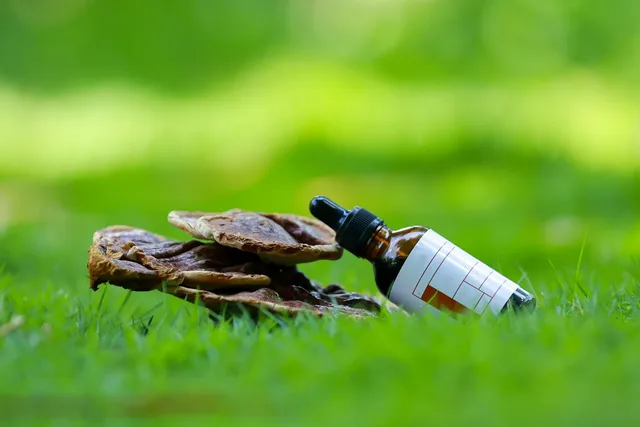
* Historical significance of medicinal mushrooms * Nutritional comparisons of common mushroom species * Step-by-step home cultivation guide * Key environmental requirements for success
What makes Reishi mushrooms so unique?
A person sits in a quiet garden, observing the woody, shelf-like structures clinging to the base of an old tree. The texture is firm, resisting the easy slice of a kitchen knife. This distinctive physical presence defines the Reishi experience.
Reishi mushrooms are historically valued for their unique presence in various cultures. While the specific chemical breakdown of Reishi was not detailed in the provided research, we can look at the nutritional standards of other fungi to understand the baseline for mushroom consumption.
According to USDA FoodData Central, different mushroom varieties offer varying nutrient densities. For example, 100g of crimini mushrooms contains 3.09g of protein and 4.01g of carbohydrates. By comparison, 100g of beech mushrooms provides 2.18g of protein and 6.76g of carbohydrates.
Understanding these baseline values helps enthusiasts appreciate the complexity of growing medicinal species. Cultivating these fungi requires patience and a specific environmental setup to replicate their natural habitat.
How to grow Reishi mushrooms at home?
A grower carefully prepares a sterilized substrate in a dimly lit room, feeling the cool moisture of the sawdust block. The scent of damp wood fills the air as the first tiny white mycelium threads begin to spread. This is the beginning of the growing process.
To successfully implement how to grow Reishi mushrooms, follow these specific stages:
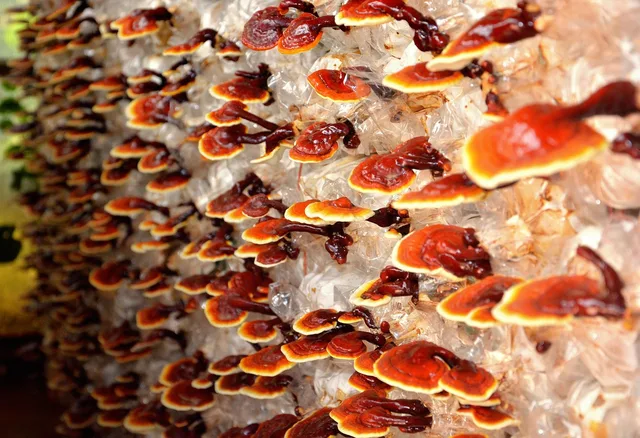
- Prepare a substrate, typically consisting of hardwood sawdust or supplemented wood chips, ensuring it is thoroughly sterilized to prevent contamination. 2. Inoculate the substrate with high-quality Reishi spawn and place it in a controlled environment with high humidity and indirect light. 3. Monitor the temperature and moisture levels closely, allowing the mycelium to fully colonize the block before introducing fresh air to trigger fruiting.
I once spent an entire afternoon checking the humidity levels in my small indoor grow tent to ensure the mycelium stayed hydrated. After completing these steps, a final check of the substrate density ensures the block is ready for the fruiting stage.
- Prepare the substrate.
- Inoculate the mixture with spores.
- Maintain consistent humidity levels.
- I find that the second step takes the most time.
What nutrients are in Reishi mushrooms?
A researcher examines a digital database, scrolling through rows of mineral values and macronutrient counts. The screen glows in the dark office, displaying precise milligram measurements for various edible fungi. This data provides the foundation for nutritional understanding.
For instance, 100g of crimini mushrooms contains 3.09g of protein and 4.01g of carbohydrates.
While specific data for Reishi was not established in the current evidence, we can observe the nutritional landscape of related fungi. Growing medicinal mushrooms often involves understanding the mineral content inherent in the fungal kingdom.
| Nutrient (per 100g) | Beech Mushroom | Crimini Mushroom |
|---|---|---|
| Protein | 2.18g | 3.09g |
| Carbohydrates | 6.76g | 4.01g |
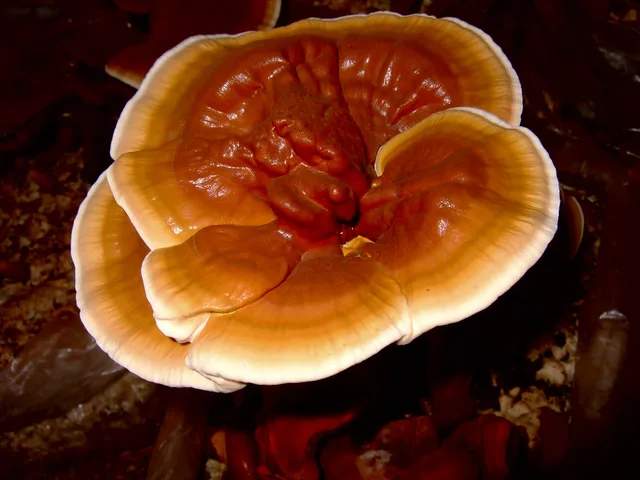
These figures show that mushroom nutrition varies significantly by species. Utilizing a mushroom cultivation guide helps growers understand that the nutritional outcome is tied to the specific species being farmed.
Can I use medicinal mushroom properties in my diet?
A cook slices through a dense mushroom cap, noting the fibrous texture that differs from common button mushrooms. The knife meets resistance, a sign of the woody structure common in many large fungi. The kitchen is quiet as the preparation begins.
Many people seek out medicinal mushroom properties to incorporate into their wellness routines. However, it is important to distinguish between culinary mushrooms and specialized medicinal varieties.
The texture of many large mushrooms is characterized by a slightly brittle, fibrous feel. For example, a stipe might be white and measure between 5–20 cm in height and 1–2 cm in width. This physical structure is a key identifier during the harvesting process.
When exploring these options, one must be aware of the biological differences between species. Some mushrooms can contain high levels of specific acids, such as ibotenic acid, which can vary significantly depending on the season of harvest.
What are some mushroom cultivation guide tips?
A gardener walks through a greenhouse, adjusting the misting system to create a fine spray of water. The droplets catch the light, ensuring the environment remains damp enough for fungal growth. This meticulous care is essential for any home farmer.
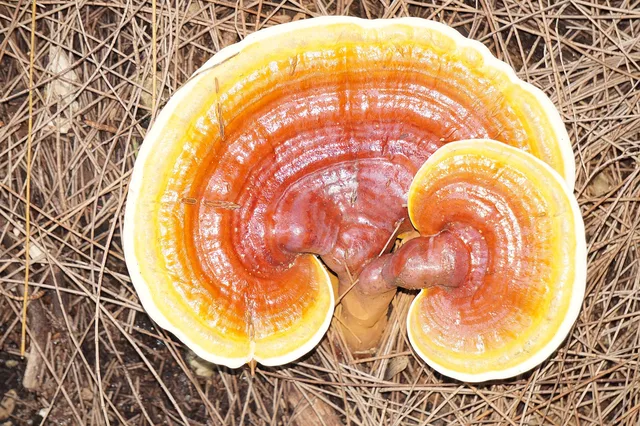
Effective mushroom farming requires attention to detail and environmental stability. For those looking for Reishi mushroom growing tips, the focus should remain on consistency and cleanliness.
Successful cultivation relies on maintaining a sterile environment to avoid the growth of unwanted molds. You must also manage the gas exchange within your growing area to ensure the mushrooms receive enough oxygen during the fruiting phase.
Whether you are a beginner or an expert, the primary goal is to mimic the natural conditions of the forest floor. This includes controlling light, temperature, and humidity to support the development of healthy fruiting bodies.
The same subject is also called Reishi mushroom benefits.
The same subject is also called Reishi mushroom nutrients.
This part also covers Home mushroom farming guide.
Related


Comments 0