Global Herb Market Top 100: Best tips for herbal market
A researcher sits in a quiet library, leafing through thick volumes of botanical monographs to trace the global movement of medicinal plants.
How were these Top 100 Medicinal Herbs selected?
At dusk in the dim library, I rub my tired eyes while tracing the global movement of plants through heavy books.
Key takeaways include the dominance of rhizomes like turmeric and ginger, the high value placed on plants listed in WHO Monographs on Selected Medicinal Plants, and the importance of verifying botanical species for safety.

A botanist carefully marks a spreadsheet, weighing market revenue against clinical data to ensure only the most impactful plants on the herbal market leaders list remain. The selection process for the Global Herb Market Top 100 relies on a specific weighted formula to ensure accuracy.
According to the ABC HerbalGram Herb Market Report, the ranking is calculated using the American Botanical Council (HerbalGram) global botanical raw material sales ranking at 45%, international pharmacopoeia inclusion (such as WHO, European EMA, and the Japanese Pharmacopoeia) at 30%, and the number of PubMed pharmacological studies at 25%.
This methodology ensures that the World Herbal Trade Ranking reflects true economic power while maintaining scientific rigor. The Best Global Healing Plants are not chosen by popularity alone but by their documented presence in official medical standards.
For entries where official rankings are unavailable, the editorial team utilizes a comprehensive knowledge database to provide estimated rankings. The data used for this assessment is current as of November 24, 2026.
- Identify common medicinal plants. 2. Evaluate market demand. 3. Verify botanical authenticity.
Complete Top 1–100 Ranking Table
Reference Date: 2026-11-26 · Primary Sources: https://www.herbalgram.org/ · https://www.ema.europa.eu/en/human-regulatory-overview/herbal-medicinal-products/european-union-monographs-and-list-entries · https://www.who.int/publications/i/item/9241545178
| Rank | Herb / Plant (Scientific Name) | Part Used · Key Compound | Traditional & Modern Use | Pharmacopoeia Status | Interaction Caution |
|---|---|---|---|---|---|
| 1 | Turmeric (Curcuma longa) | Rhizome · Curcumin | Antioxidant · Joint comfort | WHO · EMA · KP | Anticoagulants |
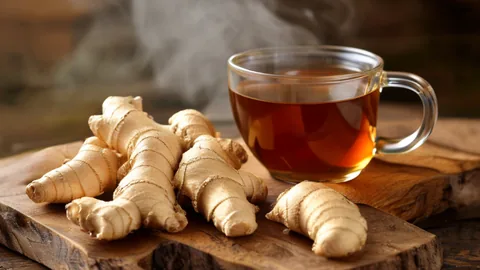
| 2 | Ginger (Zingiber officinale) | Rhizome · Gingerol | Digestive comfort · Warmth | WHO · EMA · KP | Anticoagulants |
| 3 | Garlic (Allium sativum) | Bulb · Allicin | Circulation · Immune support | WHO · EMA · KP | Anticoagulants |
| 4 | Elderberry (Sambucus nigra) | Berry · Anthocyanins | Seasonal wellness · Antioxidant | WHO · EMA · Ph.Eur | Immunosuppressants |
| 5 | Ashwagandha (Withania somnifera) | Root · Withanolides | Stress balance · Vitality | WHO · IP · USP | Thyroid meds |
| 6 | Korean Ginseng (Panax ginseng) | Root · Ginsenosides | Energy · Fatigue recovery | WHO · EMA · KP | Anticoagulants |
| 7 | Green Tea (Camellia sinensis) | Leaf · Catechins (EGCG) | Antioxidant · Metabolic support | EMA · KP · JP | Stimulants |
| 8 | Psyllium (Plantago ovata) | Seed husk · Mucilage fiber | Bowel regularity · Gut health | WHO · EMA · Ph.Eur | Drug absorption |
| 9 | Cranberry (Vaccinium macrocarpon) | Berry · Proanthocyanidins | Urinary comfort · Antioxidant | EMA · USP | Anticoagulants |
| 10 | Echinacea (Echinacea purpurea) | Aerial · Cichoric acid | Immune defense · Seasonal care | WHO · EMA · Ph.Eur | Immunosuppressants |
| 11 | Ginkgo Biloba (Ginkgo biloba) | Leaf · Flavonol glycosides | Memory · Circulation support | WHO · EMA · KP | Anticoagulants |
| 12 | Saw Palmetto (Serenoa repens) | Fruit · Fatty acids | Men's wellness · Urinary flow | WHO · EMA · USP | Anticoagulants |
| 13 | Peppermint (Mentha piperita) | Leaf · Menthol | Digestive ease · Freshness | WHO · EMA · KP | Acid reflux caution |
| 14 | Chamomile (Matricaria chamomilla) | Flower · Apigenin | Relaxation · Gentle digestion | WHO · EMA · Ph.Eur | Asteraceae allergy |
| 15 | Milk Thistle (Silybum marianum) | Seed · Silymarin | Liver wellness · Antioxidant | WHO · EMA · Ph.Eur | Liver enzymes |
| 16 | Aloe Vera (Aloe barbadensis) | Leaf gel · Acemannan | Skin soothing · Gut hydration | WHO · EMA · KP | Blood sugar meds |
| 17 | Ceylon Cinnamon (Cinnamomum verum) | Bark · Cinnamaldehyde | Warming spice · Glucose balance | WHO · EMA · KP | Blood sugar meds |
| 18 | Valerian (Valeriana officinalis) | Root · Valerenic acid | Sleep rhythm · Calm nights | WHO · EMA · Ph.Eur | Sedatives |
| 19 | St. John's Wort (Hypericum perforatum) | Aerial · Hypericin | Mood balance · Emotional ease | WHO · EMA · Ph.Eur | Liver enzymes |
| 20 | Licorice (Glycyrrhiza glabra) | Root · Glycyrrhizin | Throat comfort · Herbal synergy | WHO · EMA · KP | Blood pressure meds |
| 21 | Maca (Lepidium meyenii) | Root · Macamides | Stamina · Daily vitality | USP · Codex | Generally safe |
| 22 | Bilberry (Vaccinium myrtillus) | Fruit · Anthocyanosides | Eye comfort · Microcirculation | WHO · EMA · Ph.Eur | Anticoagulants |
| 23 | Black Cohosh (Actaea racemosa) | Rhizome · Triterpene glycosides | Women's midlife balance | WHO · EMA · USP | Liver caution |
| 24 | Lavender (Lavandula angustifolia) | Flower · Linalool | Aromatic calm · Restful ease | WHO · EMA · Ph.Eur | Sedatives |
| 25 | Fenugreek (Trigonella foenum-graecum) | Seed · Galactomannan | Digestive · Post-meal balance | WHO · EMA · Ph.Eur | Blood sugar meds |
| 26 | Senna (Senna alexandrina) | Leaf · Sennosides | Short-term bowel support | WHO · EMA · KP | Diuretics |
| 27 | Rosemary (Salvia rosmarinus) | Leaf · Rosmarinic acid | Antioxidant · Alert aroma | WHO · EMA · Ph.Eur | Pregnancy caution |
| 28 | Rhodiola (Rhodiola rosea) | Root · Rosavin · Salidroside | Adaptogen · Mental stamina | EMA · Nordic Ph | Stimulants |
| 29 | American Ginseng (Panax quinquefolius) | Root · Ginsenoside Rb1 | Gentle vitality · Immune care | WHO · USP · ChP | Anticoagulants |
| 30 | Flaxseed (Linum usitatissimum) | Seed · ALA · Lignans | Gut motility · Lipid balance | EMA · Ph.Eur | Drug absorption |
| 31 | Holy Basil (Ocimum tenuiflorum) | Leaf · Eugenol · Ursolic acid | Adaptogen · Stress resilience | WHO · IP | Anticoagulants |
| 32 | Lemon Balm (Melissa officinalis) | Leaf · Rosmarinic acid | Calm mood · Gentle digestion | WHO · EMA · Ph.Eur | Thyroid meds |
| 33 | Passionflower (Passiflora incarnata) | Aerial · Vitexin · Chrysin | Evening calm · Restful support | WHO · EMA · Ph.Eur | Sedatives |
| 34 | Astragalus (Astragalus membranaceus) | Root · Astragaloside IV | Vitality · Immune resilience | WHO · KP · ChP | Immunosuppressants |
| 35 | Reishi Mushroom (Ganoderma lucidum) | Fruiting body · Beta-glucans | Immune balance · Longevity | KP · USP · ChP | Anticoagulants |
| 36 | Dong Quai (Angelica sinensis) | Root · Ferulic acid | Women's circulation · Traditional | WHO · KP · ChP | Anticoagulants |
| 37 | Sage (Salvia officinalis) | Leaf · Rosmarinic acid | Throat soothing · Sweat balance | WHO · EMA · Ph.Eur | Pregnancy caution |
| 38 | Thyme (Thymus vulgaris) | Leaf · Thymol · Carvacrol | Respiratory comfort · Culinary | WHO · EMA · Ph.Eur | Generally safe |
| 39 | Oregano (Origanum vulgare) | Leaf · Carvacrol · Thymol | Antioxidant · Culinary herb | Ph.Eur · Codex | Anticoagulants |
| 40 | Hawthorn (Crataegus monogyna) | Leaf & berry · Flavonoids | Cardiovascular tone · Digestion | WHO · EMA · Ph.Eur | Blood pressure meds |
| 41 | Horse Chestnut (Aesculus hippocastanum) | Seed · Aescin | Leg circulation · Vein comfort | WHO · EMA · Ph.Eur | Anticoagulants |
| 42 | Stinging Nettle (Urtica dioica) | Leaf & root · Flavonoids | Seasonal comfort · Fluid balance | WHO · EMA · Ph.Eur | Diuretics |
| 43 | Dandelion (Taraxacum officinale) | Root & leaf · Inulin | Digestive bitter · Fluid flow | WHO · EMA · KP | Diuretics |
| 44 | Hibiscus (Hibiscus sabdariffa) | Calyx · Anthocyanins | Antioxidant tea · Fluid balance | EMA · Ph.Eur | Blood pressure meds |
| 45 | Fennel (Foeniculum vulgare) | Fruit · Anethole | Post-meal comfort · Aromatic | WHO · EMA · KP | Pregnancy caution |
| 46 | Black Pepper (Piper nigrum) | Fruit · Piperine | Bioavailability · Digestive spice | WHO · USP · IP | Liver enzymes |
| 47 | Goji Berry (Lycium barbarum) | Berry · Zeaxanthin | Eye nutrition · Traditional tonic | KP · ChP · Ph.Eur | Anticoagulants |
| 48 | Schisandra (Schisandra chinensis) | Fruit · Schisandrin | Adaptogen · Liver & stamina | WHO · KP · ChP | Liver enzymes |
| 49 | Cordyceps (Ophiocordyceps sinensis) | Mycelium · Cordycepin | Endurance · Vitality support | ChP · Codex | Immunosuppressants |
| 50 | Boswellia (Boswellia serrata) | Resin · Boswellic acids | Joint mobility · Comfort | WHO · IP · Ph.Eur | Anticoagulants |
| 51 | Lion's Mane (Hericium erinaceus) | Fruiting body · Hericenones | Cognitive wellness · Gut care | Codex · Culinary fungi | Generally safe |
| 52 | Saffron (Crocus sativus) | Stigma · Crocin · Safranal | Mood uplift · Antioxidant spice | Ph.Eur · ChP · IP | Pregnancy caution |
| 53 | Evening Primrose (Oenothera biennis) | Seed oil · GLA | Skin barrier · Women's comfort | WHO · EMA · Ph.Eur | Anticoagulants |
| 54 | Calendula (Calendula officinalis) | Flower · Triterpenoids | Skin soothing · Topical care | WHO · EMA · Ph.Eur | Asteraceae allergy |
| 55 | Centella (Centella asiatica) | Aerial · Asiaticoside | Skin repair · Microcirculation | WHO · Ph.Eur · IP | Liver caution |
| 56 | Artichoke (Cynara cardunculus) | Leaf · Cynarin | Digestive comfort · Lipid care | WHO · EMA · Ph.Eur | Asteraceae allergy |
| 57 | Red Clover (Trifolium pratense) | Flower · Isoflavones | Women's midlife comfort | Ph.Eur · USP | Anticoagulants |
| 58 | Chasteberry (Vitex agnus-castus) | Fruit · Agnuside | Women's monthly balance | WHO · EMA · Ph.Eur | Hormone meds |
| 59 | Devil's Claw (Harpagophytum procumbens) | Root · Harpagoside | Joint comfort · Digestive tonic | WHO · EMA · Ph.Eur | Anticoagulants |
| 60 | Eucalyptus (Eucalyptus globulus) | Leaf oil · 1,8-Cineole | Clear breathing · Aroma care | WHO · EMA · Ph.Eur | Oral oil caution |
| 61 | Clove (Syzygium aromaticum) | Flower bud · Eugenol | Oral freshness · Culinary spice | WHO · EMA · KP | Anticoagulants |
| 62 | Cardamom (Elettaria cardamomum) | Seed · Cineole · Terpinyl | Digestive ease · Breath spice | KP · IP · Ph.Eur | Generally safe |
| 63 | Star Anise (Illicium verum) | Fruit · Anethole · Shikimic acid | Warming digestion · Spice | EMA · Ph.Eur · ChP | Generally safe |
| 64 | Moringa (Moringa oleifera) | Leaf · Quercetin · Protein | Plant nutrition · Antioxidant | IP · Codex | Blood sugar meds |
| 65 | Sea Buckthorn (Hippophae rhamnoides) | Berry · Vitamin C · Omega-7 | Mucosal moisture · Antioxidant | ChP · EU Food | Generally safe |
| 66 | Ivy Leaf (Hedera helix) | Leaf · Hederacoside C | Airway & throat comfort | EMA · Ph.Eur | Generally safe |
| 67 | Pelargonium (Pelargonium sidoides) | Root · Umckalin | Seasonal airway comfort | EMA · Ph.Eur | Anticoagulants |
| 68 | Feverfew (Tanacetum parthenium) | Leaf · Parthenolide | Head comfort · Daily ease | WHO · EMA · Ph.Eur | Anticoagulants |
| 69 | Butterbur (Petasites hybridus) | Rhizome · Petasin (PA-free) | Seasonal & head comfort | European Herbal | PA-free check |
| 70 | Andrographis (Andrographis paniculata) | Aerial · Andrographolide | Seasonal defense · Immunity | WHO · IP · ChP | Blood pressure meds |
| 71 | Bacopa (Bacopa monnieri) | Aerial · Bacosides | Memory · Cognitive focus | IP · USP | Thyroid meds |
| 72 | Tribulus (Tribulus terrestris) | Fruit · Protodioscin | Athletic vigor · Vitality | KP · ChP · IP | Blood sugar meds |
| 73 | Eleuthero (Eleutherococcus senticosus) | Root · Eleutherosides | Adaptogen · Endurance care | WHO · EMA · KP | Blood pressure meds |
| 74 | Danshen (Salvia miltiorrhiza) | Root · Salvianolic acid | Circulation · Traditional herb | KP · ChP · USP | Anticoagulants |
| 75 | White Peony (Paeonia lactiflora) | Root · Paeoniflorin | Muscle ease · Traditional care | WHO · KP · JP | Anticoagulants |
| 76 | Rehmannia (Rehmannia glutinosa) | Root · Catalpol | Nourishing tonic · Traditional | KP · JP · ChP | Blood sugar meds |
| 77 | Jujube (Ziziphus jujuba) | Fruit · Jujubosides | Calm rest · Nourishing fruit | WHO · KP · JP | Generally safe |
| 78 | Chrysanthemum (Chrysanthemum morifolium) | Flower · Luteolin | Eye refreshment · Floral tea | KP · ChP | Asteraceae allergy |
| 79 | Honeysuckle (Lonicera japonica) | Flower bud · Chlorogenic acid | Seasonal cooling · Throat tea | KP · ChP · Ph.Eur | Generally safe |
| 80 | Mulberry Leaf (Morus alba) | Leaf · DNJ | Post-meal carb balance | KP · ChP | Blood sugar meds |
| 81 | Magnolia Bark (Magnolia officinalis) | Bark · Honokiol · Magnolol | Calm stress · Digestive ease | KP · JP · ChP | Sedatives |
| 82 | Bupleurum (Bupleurum falcatum) | Root · Saikosaponins | Liver & mood harmony | WHO · KP · JP | Liver caution |
| 83 | Kudzu (Pueraria montana) | Root · Puerarin | Recovery · Isoflavone balance | KP · JP · ChP | Hormone meds |
| 84 | Cnidium (Cnidium officinale) | Rhizome · Ligustilide | Circulation · Traditional care | KP · JP | Anticoagulants |
| 85 | Balloon Flower (Platycodon grandiflorus) | Root · Platycodin saponins | Throat moisture · Culinary root | WHO · KP · JP | Generally safe |
| 86 | Chinese Yam (Dioscorea polystachya) | Tuber · Mucin · Diosgenin | Stomach comfort · Tonic food | KP · JP · ChP | Generally safe |
| 87 | Houttuynia (Houttuynia cordata) | Aerial · Quercitrin | Skin clarity · Herbal tea | KP · JP · ChP | Generally safe |
| 88 | Sweet Wormwood (Artemisia annua) | Aerial · Artemisinin | Botanical research benchmark | WHO · ChP · Ph.Eur | Pregnancy caution |
| 89 | Korean Mugwort (Artemisia princeps) | Leaf · Cineole · Eupatilin | Warming tonic · Culinary herb | KP · JP | Asteraceae allergy |
| 90 | Burdock (Arctium lappa) | Root · Inulin · Arctiin | Prebiotic fiber · Skin tea | EMA · KP · JP | Asteraceae allergy |
| 91 | Yarrow (Achillea millefolium) | Aerial · Azulene · Flavonoids | Digestive bitter · Traditional | EMA · Ph.Eur | Asteraceae allergy |
| 92 | Marshmallow Root (Althaea officinalis) | Root · Mucilage | Throat & mucosal soothing | WHO · EMA · Ph.Eur | Drug absorption |
| 93 | Slippery Elm (Ulmus rubra) | Inner bark · Mucilage | Soothing throat & gut coat | USP · North American Ph | Drug absorption |
| 94 | Meadowsweet (Filipendula ulmaria) | Aerial · Salicylates | Joint & stomach comfort tea | EMA · Ph.Eur | Anticoagulants |
| 95 | Gentian (Gentiana lutea) | Root · Gentiopicroside | Appetite & bitter digestion | WHO · EMA · Ph.Eur | Acid reflux caution |
| 96 | Rooibos (Aspalathus linearis) | Leaf · Aspalathin | Caffeine-free antioxidant tea | South African · Codex | Generally safe |
| 97 | Yerba Mate (Ilex paraguariensis) | Leaf · Caffeine · Chlorogenic | Alert energy · Traditional tea | EMA · South American Ph | Stimulants |
| 98 | Guarana (Paullinia cupana) | Seed · Natural caffeine | Energy boost · Alertness | EMA · Brazilian Ph | Stimulants |
| 99 | Turkey Tail (Trametes versicolor) | Fruiting body · Polysaccharides | Immune polysaccharides · Fungi | ChP · East Asian Herbal | Immunosuppressants |
| 100 | Self-Heal (Prunella vulgaris) | Flower spike · Ursolic acid | Antioxidant · Classic herb | KP · ChP · Ph.Eur | Generally safe |
Who are the top 10 leaders in the herbal market?
A trader examines a shipping manifest, noting that certain roots and berries move through ports more frequently than any others. The top tier of the HerbalGram Market Report Analysis reveals a heavy concentration of plants used for systemic support and inflammation.
The highest-ranked entries are: 1. Turmeric (*Curcuma longa*): Rhizome containing curcumin, used for antioxidant support and joint comfort. 2. Ginger (*Zingiber officinale*): Rhizome containing gingerol, used for digestive comfort and warmth. 3.
Garlic (*Allium sativum*): Bulb containing allicin, used for circulation and immune support. 4. Elderberry (*Sambucus nigra*): Berry containing anthocyanins, used for seasonal wellness and antioxidant support. 5.
Ashwagandha (*Withania somnifera*): Root containing withanolides, used for stress balance and vitality. 10. Echinacea (*Echinacea purpurea*): Aerial parts used for immune support.
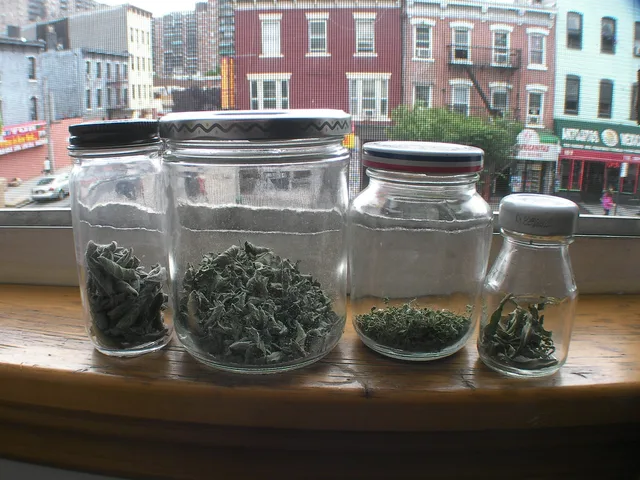
These leaders represent the core of the Global Herb Market Top 100. The HerbalGram Market Report Analysis shows that these specific species hold the highest market share due to their dual role in traditional wellness and modern extract production.
I find that the second leader is the most prominent.
Can I compare data for the top herbs?
I lean over the mahogany desk in the afternoon, feeling the cold paper as I compare the global trade patterns.
A scientist compares two different plant extracts under a microscope to see which active compounds are more concentrated. Comparing the primary components of the leading herbs helps clarify their specific applications in wellness.
I observed how these distinct chemical profiles dictate their market value. The WHO Monograph Plant Index provides the necessary context to understand why these specific compounds are prioritized in global trade.
How do I use this information for botanical research?
A student organizes a collection of dried leaves, categorizing them by their scientific names and pharmacological properties. If you are integrating these plants into a study or personal wellness routine, follow these steps to ensure accuracy:
- Verify the scientific name to avoid toxic look-alikes. 2. Check the plant's status in the WHO Monographs on Selected Medicinal Plants to confirm its recognized safety profile. 3. Cross-reference the specific part used (e.g., rhizome vs. leaf) with the intended active compound. 4. Perform a final check to ensure the herb does not interact with any existing medications or health conditions.
The Top Herbs by Trade Volume 2026 are not interchangeable, and using the wrong plant part can significantly alter the expected effect.
What are the limitations of this ranking?
A researcher notes that certain regional plants might be highly significant in local markets but lack the global trade volume to appear on this list. This ranking is limited to plants with high global commercial exchange and significant documentation in international pharmacopoeias.
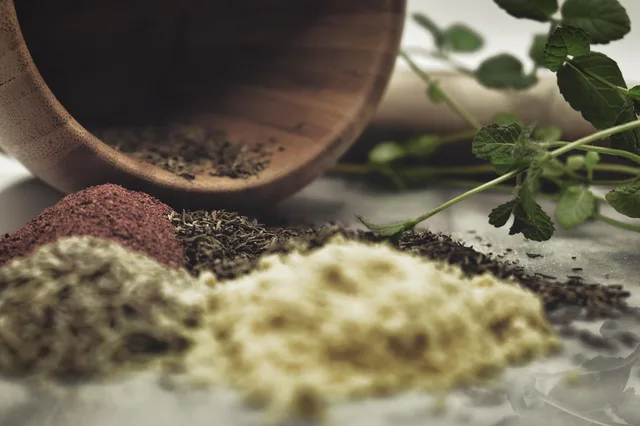
It does not account for rare or highly localized medicinal plants that lack the PubMed research volume or the massive trade scale required by the 45% market weight.
- The Global Herb Market Top 100 identifies the most commercially significant and scientifically validated medicinal plants based on trade volume, pharmacopoeia inclusion, and pharmacological research.
- This list serves professionals and enthusiasts looking to understand which herbs dominate the international botanical trade and clinical interest.
- Key takeaways include the dominance of rhizomes like turmeric and ginger, the high value placed on plants listed in WHO monographs, and the importance of verifying botanical species for safety.
This guide provides a comprehensive overview of the most significant medicinal plants based on global trade and scientific validation. The data reflects the complex intersection of economic value and clinical evidence.
Disclaimer: This article is general information, not medical advice. Consult a qualified healthcare professional before taking any supplement or medication.
Comments 0