Herbal medicine scientific proof: 80% use in some countries
"The World Health Organization estimates that 80 percent of the population of some Asian and African countries presently uses herbal medicine for some aspect of primary health care."
Understanding herbal medicine scientific proof requires looking at both historical usage and modern regulatory frameworks. This guide explores how researchers evaluate herbal efficacy and the risks of unregulated products.
Key takeaways include the importance of registration, the reality of labeling discrepancies, and the role of regulatory agencies in monitoring safety.
How is herbal medicine scientific proof established?
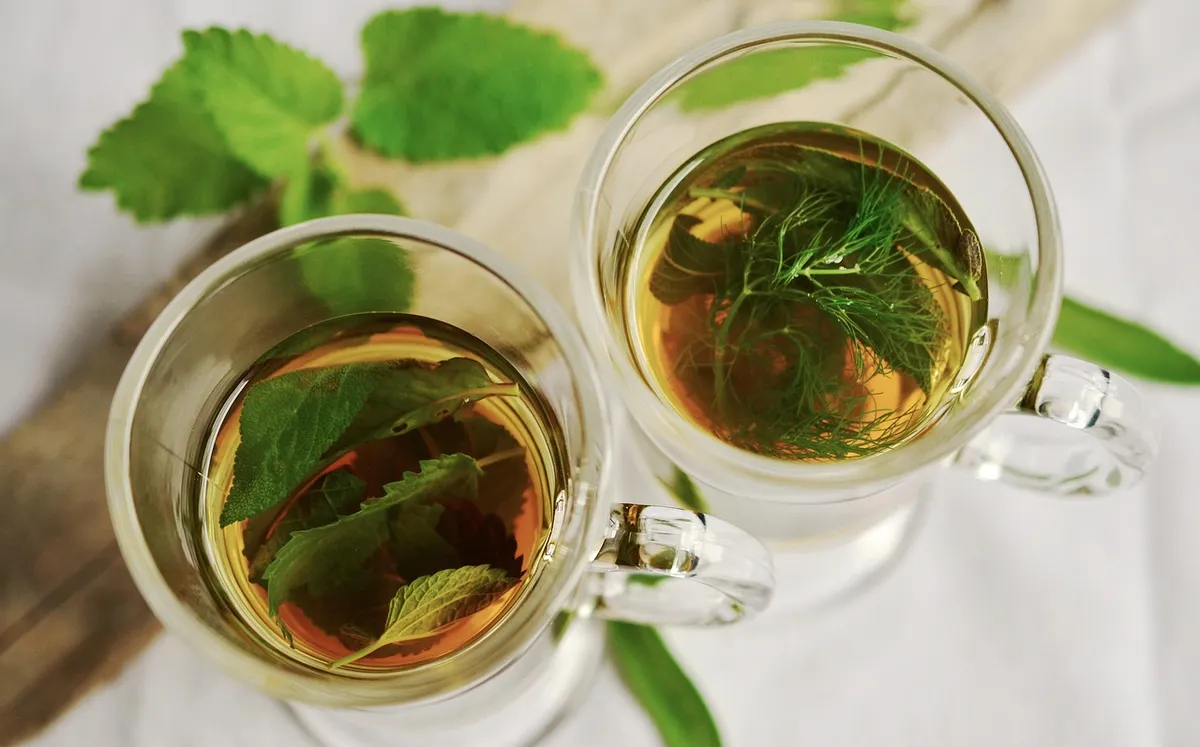
At midnight in the quiet laboratory, the researcher squinted through a microscope while the pungent scent of herbal extracts filled the air.
A researcher sits at a desk, reviewing a stack of clinical monographs and purity reports. Establishing herbal medicine scientific proof often involves rigorous evaluation to ensure that traditional knowledge aligns with modern safety standards.
According to the Traditional Knowledge Digital Library, topics such as Chinese herbology, ethnobotany, and ethnomedicine are part of the study of herbal medicinal fungi and plants used in herbalism.
The European Medicines Agency provided criteria in 2017 for evaluating and grading the quality of clinical research in preparing monographs about herbal products. This process aims to establish guidelines to assess the safety and efficacy of herbal products.
By setting these standards, the agency helps distinguish between anecdotal claims and verified data.
The search for herbal efficacy proven through rigorous testing remains a priority for global health authorities. While traditional use is widespread, modern science seeks to validate specific compounds.
What are the risks of unregulated herbal products?
In the dim light of the kitchen, the consumer frowned while gripping the unlabeled herbal bottle tightly.
A consumer holds a bottle of herbal supplements, checking the label for ingredients that might be missing. Understanding the risks is crucial when herbal medicine research suggests that not all products are created equal.
In a 2018 study, the FDA identified active pharmaceutical additives in over 700 analyzed dietary supplements sold as "herbal", "natural" or "traditional". This indicates that some products may contain hidden substances not listed on the packaging.
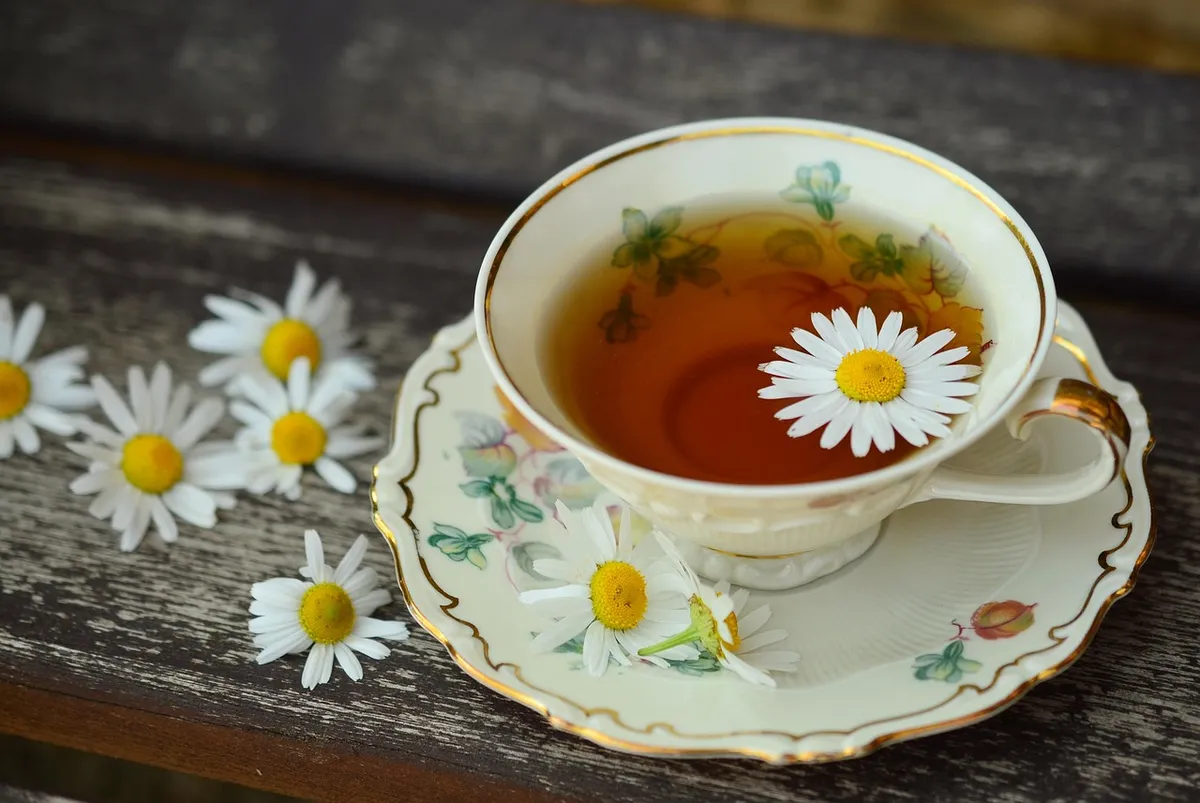
Such additives can lead to unexpected health outcomes or interactions.
Researchers must remain vigilant regarding herbal effect science to prevent accidental ingestion of unauthorized substances. If a product contains undisclosed additives, its safety profile is effectively unknown.
According to Therapeutic Goods Administration, the 2014 record includes 20%.
How does regulation affect product safety?
Under the flickering fluorescent lights of the office, the inspector gripped a stack of documents and felt the cold weight of responsibility regarding herbal safety.
An official reviews a series of warning letters sent to various supplement manufacturers. Regulatory oversight is a primary method of managing herbal medicine scientific proof and consumer protection.
This means they are not treated as drugs and are not required to be proven safe or effective before being marketed.
This distinction is a critical part of understanding how herbal medicine is managed in the U.S. market.
The lack of pre-market approval for supplements means that much of the responsibility for safety falls on the consumer and regulatory enforcement.
Why is registration important for herbal remedies?
A technician compares a shipment of herbal extracts against a database of registered products. Verification of registration is a key component when investigating herbal medicine scientific proof.
Researchers at the University of Adelaide found in 2014 that almost 20 percent of herbal remedies surveyed were not registered with the Therapeutic Goods Administration, despite this being a condition for their sale.
This finding highlights the gap between legal requirements and actual market availability.
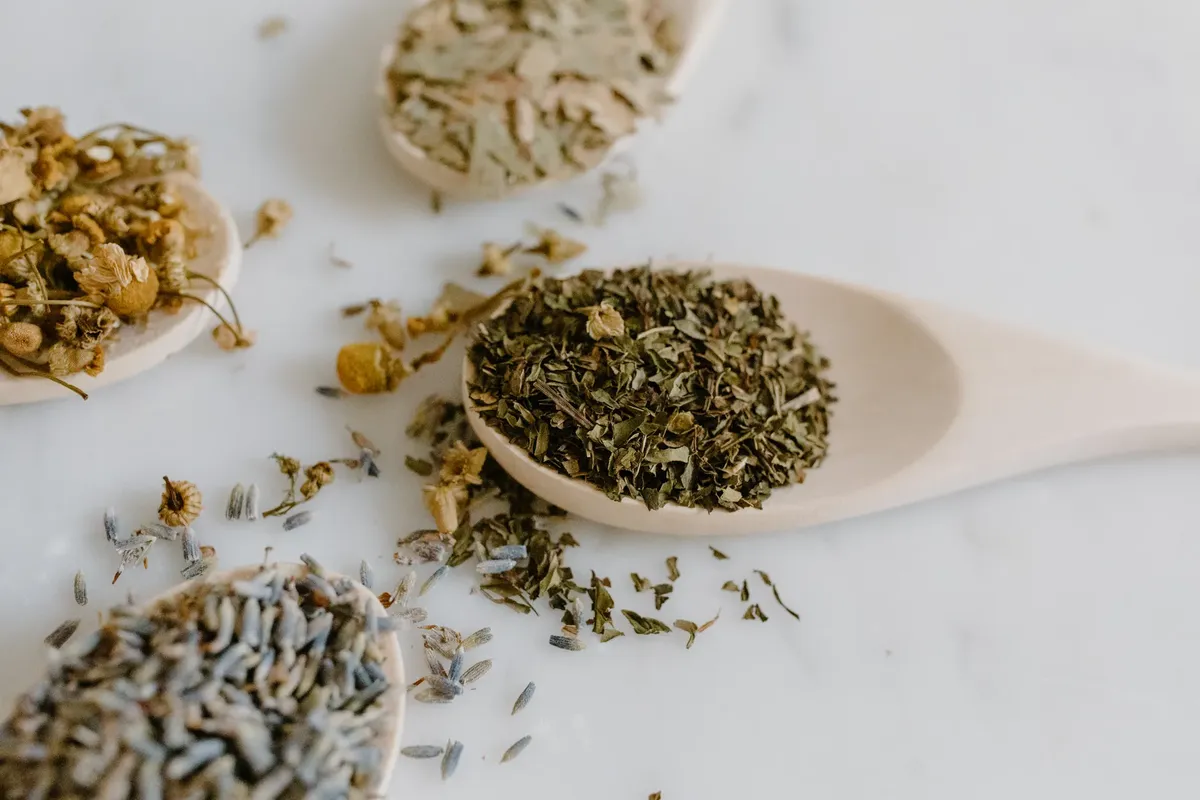
Ensuring products are registered helps maintain a level of accountability in the marketplace. Without registration, it is difficult to track the origin or quality of the ingredients.
What are the common issues with labeling?
A person examines a supplement bottle, noticing that the ingredients listed do not seem to match the promised benefits. Discrepancies in labeling can undermine the reliability of herbal medicine scientific proof.
Some studies have indicated that nearly 60 percent of products surveyed had ingredients that did not match what was on the label. This lack of transparency can make it impossible for users to know exactly what they are consuming.
Such inconsistencies pose significant risks to those managing specific health conditions.
| Issue Type | Description |
|---|---|
| Unregistered Products | Remedies not listed with regulatory bodies despite sale requirements. |
| Label Mismatch | Ingredients found in products that do not match the printed label. |
I observed that many labels claim therapeutic benefits that have not been verified by clinical trials.
How can consumers navigate herbal products safely?
A consumer carefully reads the fine print on a supplement package before making a purchase. Navigating the market requires a cautious approach to herbal medicine scientific proof.
- Check for regulatory compliance to ensure the product meets local manufacturing standards. 2. Verify that the ingredients listed on the label are transparent and match the product's intended use. 3. Consult with a healthcare professional to understand how a supplement might interact with existing treatments.
A final check involves confirming that the manufacturer is not making illegal claims regarding the treatment of specific diseases.

Wikipedia: Herbal medicine (full) Based on the retained excerpt mentioning WHO: The World Health Organization (WHO) estimates that 80 percent of the population of some Asian and African countries presently uses herbal medicine for some aspect of primary health care.
Wikipedia: Herbal medicine (full) Based on the retained excerpt mentioning Therapeutic Goods Administration: Researchers at the University of Adelaide found in 2014 that almost 20 percent of herbal remedies surveyed were not registered with the Therapeutic Goods Administration, despite this being a condition for their sale.
- How is herbal medicine scientific proof established?
- What are the risks of unregulated herbal products?
- How does regulation affect product safety?
Related
What is the role of the World Health Organization in monitoring global trends?
The World Health Organization provides global estimates regarding the usage patterns of herbal medicine. This body monitors the widespread adoption of these treatments in specific geographical regions.
The organization's data reflects the reality on the ground concerning primary health care practices.
How does the FDA monitor claims made about herbal products?
The FDA monitors marketing claims by issuing warning letters to companies. These communications address instances where companies market products under conditions that classify them as drugs. This action serves as a caution against illegal marketing practices.
The scientific validation of herbal products is a multifaceted undertaking. It involves navigating diverse international regulatory frameworks alongside continuous research into ingredient purity. The World Health Organization contributes to this global view.
Disclaimer: This article is general information, not medical advice. Consult a qualified healthcare professional before taking any supplement or medication.







Comments 0