Medicinal plants vs modern medicine: 80% usage patterns
"The integration of traditional botanical knowledge with modern scientific frameworks remains a complex global phenomenon."
Medicinal plants serve as a bridge between ancient cultural practices and modern pharmacological research, highlighting the complex relationship between medicinal plants vs modern medicine, though their regulation varies significantly.
This article explores how medicinal plant drug value compares to standardized pharmaceuticals, highlighting the global reliance on herbal medicine and the safety risks identified by regulatory bodies.
You will learn about global usage patterns, the risks of undeclared additives, and the specific challenges of integrating these two systems.
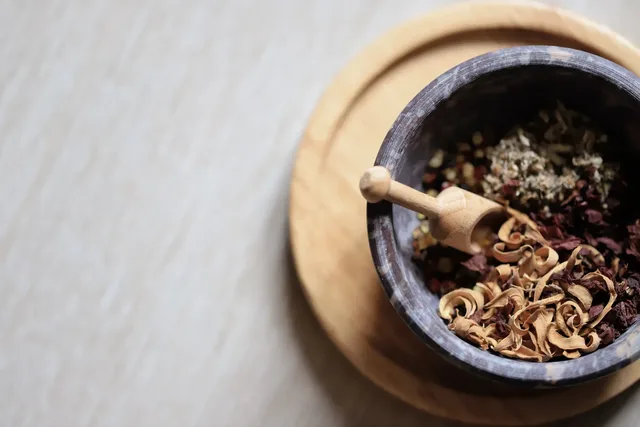
* Global usage reaches 80% in certain regions. * Regulatory studies found additives in over 700 supplements. * Safety data for specific populations, like pregnant women, remains limited.
How does medicinal plant drug value compare to modern medicine?
A researcher sits in a quiet laboratory, carefully weighing dried leaves under a bright light. They are examining the medicinal plant drug value by comparing raw botanical extracts to the highly purified compounds found in modern prescriptions.
According to the Traditional Knowledge Digital Library, Chinese herbology encompasses ethnobotany, ethnomedicine, and herbal medicinal fungi.
While modern medicine relies on isolated, standardized molecules, plant-based approaches often utilize complex mixtures of bioactive compounds.
According to a 2024 World Health Organization global survey, two-thirds of countries globally report at least 40% of their population uses traditional, complementary, or integrative medicine. This usage is notably higher in African and Southeast Asian countries.
The medical basis of herbs often rests on long-standing cultural traditions that are now being scrutinized through the lens of clinical science.
The distinction between herbal medicine vs science often comes down to standardization and predictability. While a pharmaceutical pill contains an exact dose, botanical preparations can vary based on soil, harvest time, and processing methods.
This variability is a primary focus for researchers attempting to bridge the gap between ethnobotany and clinical pharmacology.
I find that the second point is the most significant.
Are medicinal plants vs modern medicine dangerous to mix?
A consumer stands in a brightly lit pharmacy aisle, squinting at the fine print on a bottle labeled "natural." They are considering the implications of integrating herbs and drugs, specifically regarding the presence of hidden ingredients.
The intersection of these two worlds can lead to unexpected chemical interactions in the body.
The safety of these combinations is a major concern for regulatory agencies. In a 2018 study, the FDA identified active pharmaceutical additives in over 700 analyzed dietary supplements sold as "herbal", "natural" or "traditional".
This finding suggests that some products may contain undisclosed substances that mimic the effects of prescription medications.
Furthermore, nearly 60 percent of products surveyed had ingredients that did not match what was on the label. This discrepancy poses a significant risk to patients who assume they are consuming only botanical matter.
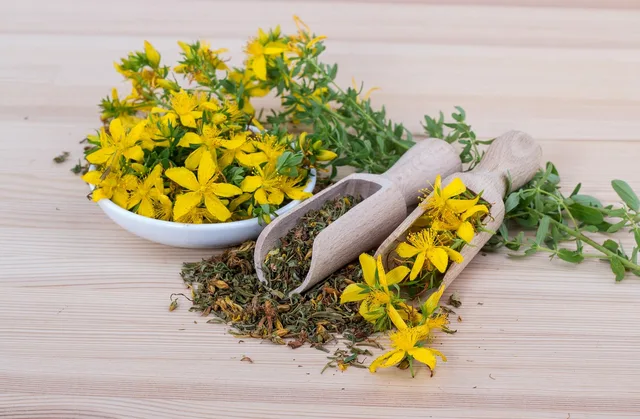
Managing the clinical use of plants requires a high level of vigilance to avoid accidental drug-herb interactions.
Can I trust herbal medicine for my primary care?
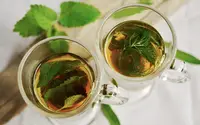
A health worker in a rural clinic prepares a botanical infusion for a patient seeking local remedies. They are evaluating herbal medicine vs science by observing how traditional methods function as a primary resource in areas with limited medical infrastructure.
In many parts of the world, these plants are not just alternatives but the primary source of care.
The World Health Organization (WHO) estimates that 80 percent of the population of some Asian and African countries presently uses herbal medicine for some aspect of primary health care.
This heavy reliance underscores the importance of understanding plant-based drug research to improve global health outcomes.
| Aspect | Traditional Botanical Use | Modern Pharmaceutical Use |
|---|---|---|
| Primary Source | Whole plant extracts | Isolated active compounds |
| Standardization | Variable by harvest | Highly regulated and fixed |
I observed how the local reliance on these extracts often stems from both availability and deeply rooted cultural trust.
How can one safely prepare botanical extracts?
A person in a kitchen carefully measures liquid into a glass jar, watching the sediment settle. They are following a method for plant-based drug research through the creation of tinctures or elixirs.
Proper preparation is essential to ensure the concentration of the extract is consistent and safe for use.
To create a standard botanical extract, follow these steps:
- Select the appropriate solvent, such as ethanol, depending on the specific herb being processed. 2. Allow the mixture to sit for a specific duration, which can range from 7 to 12 hours depending on the herb used. 3. Verify the final concentration, as a completed tincture should have an ethanol percentage of at least 25%.
Check the final product to ensure it meets the desired strength, noting that some elixirs may have an ethanol percentage of 12–38%.
- Clean the raw plant material thoroughly.
- Extract the active compounds using a solvent.
- Filter the solution to remove solid residue.
What are the limitations of medicinal plant standards?
A doctor reviews a patient's file, noting the use of various supplements during a fertility consultation. They are acknowledging the medicinal plant standards and the gaps in current clinical knowledge.
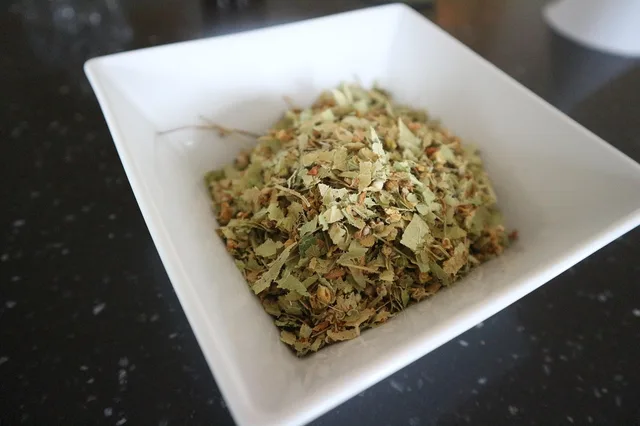
Even with widespread use, certain populations face significant uncertainties regarding botanical safety.
One major limitation involves the lack of data for specific demographics. Few studies are available on the safety of herbs for pregnant women.
This knowledge gap is critical, as one study found that use of complementary and alternative medicines is associated with a 30% lower ongoing pregnancy and live birth rate during fertility treatment.
The efficacy of these treatments remains a subject of ongoing study.
While some anecdotal reports suggest high success rates in specific cultural settings, such as some hospital environments using traditional healers, these results are not universally established as a replacement for biomedical management.
The relationship between medicinal plants and modern medicine is defined by a tension between widespread cultural use and the need for rigorous scientific standardization.
Comments 0