How is traditional medicine natural products used globally?
Traditional medicine natural products remain a cornerstone of global wellness, serving as the primary health care for many communities.
This article explores the historical use and modern regulatory landscape of these botanical substances, covering their widespread application, common extraction methods, and current safety concerns.
Key takeaways include an understanding of global usage, traditional preparation techniques, and the regulatory risks of unverified supplements.
How is traditional medicine natural products used globally?
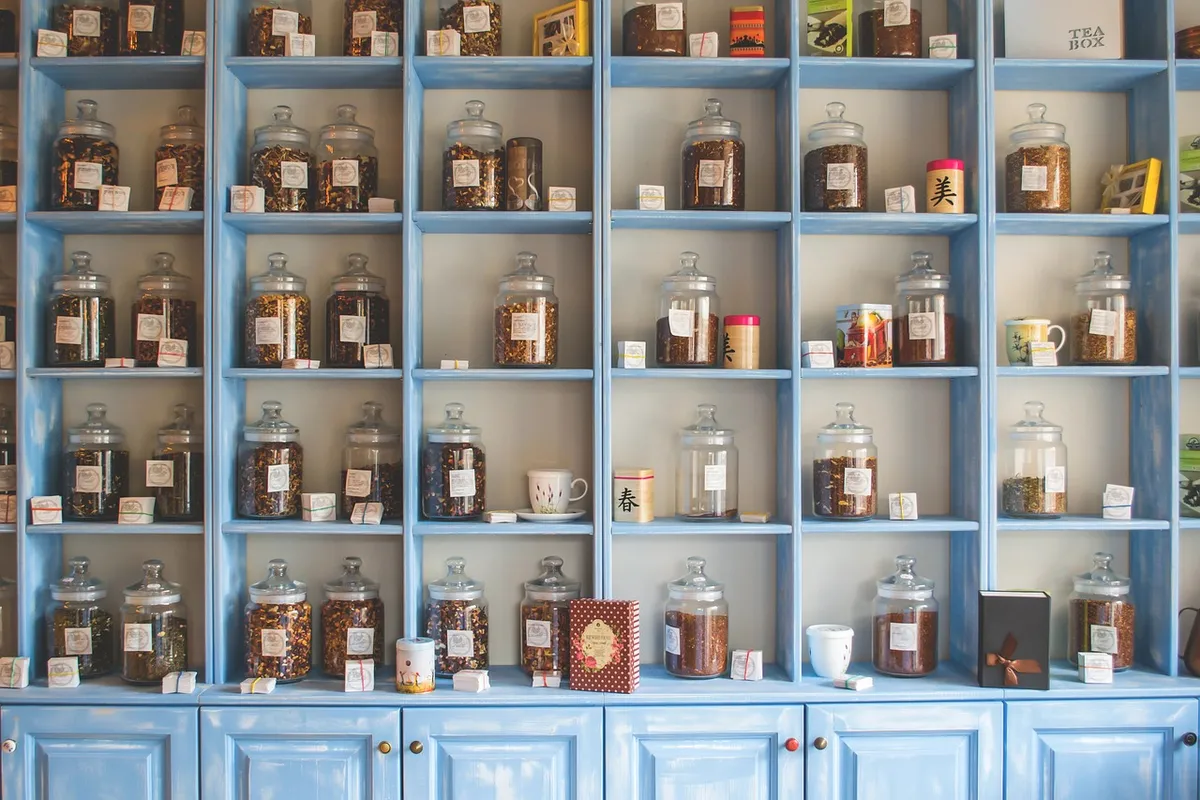
A researcher sits in a quiet library, tracing the historical reach of botanical remedies across different continents. The use of these substances is deeply ingrained in various cultures, where they serve as fundamental tools for health maintenance.
According to the Traditional Knowledge Digital Library, topics such as Chinese herbology, ethnobotany, and ethnomedicine are part of the study of herbal medicinal fungi and plants used in herbalism.
This widespread reliance highlights the deep-seated role of botanical health practices in those regions.
Herbal medicine uses have transitioned from local traditions to global markets, yet the core purpose remains the management of health through natural means. While these traditions provide essential support, the lack of standardized regulation in some areas poses significant challenges to safety.
In this overview, the second point is the most detailed.
What are the standard methods for herbal medicine preparation?
In the dim kitchen, he stirs the boiling pot while inhaling the sharp, traditional scent of crushed roots.
A person carefully measures dried leaves and roots, preparing to transform raw plants into usable extracts. The process of creating a remedy requires specific techniques to ensure the stability and potency of the botanical ingredients.
One common method involves creating tinctures, which are alcoholic extracts. A completed tincture can have an ethanol percentage of at least 25%, though it sometimes reaches up to 90%. These solutions allow for concentrated doses of plant materials.
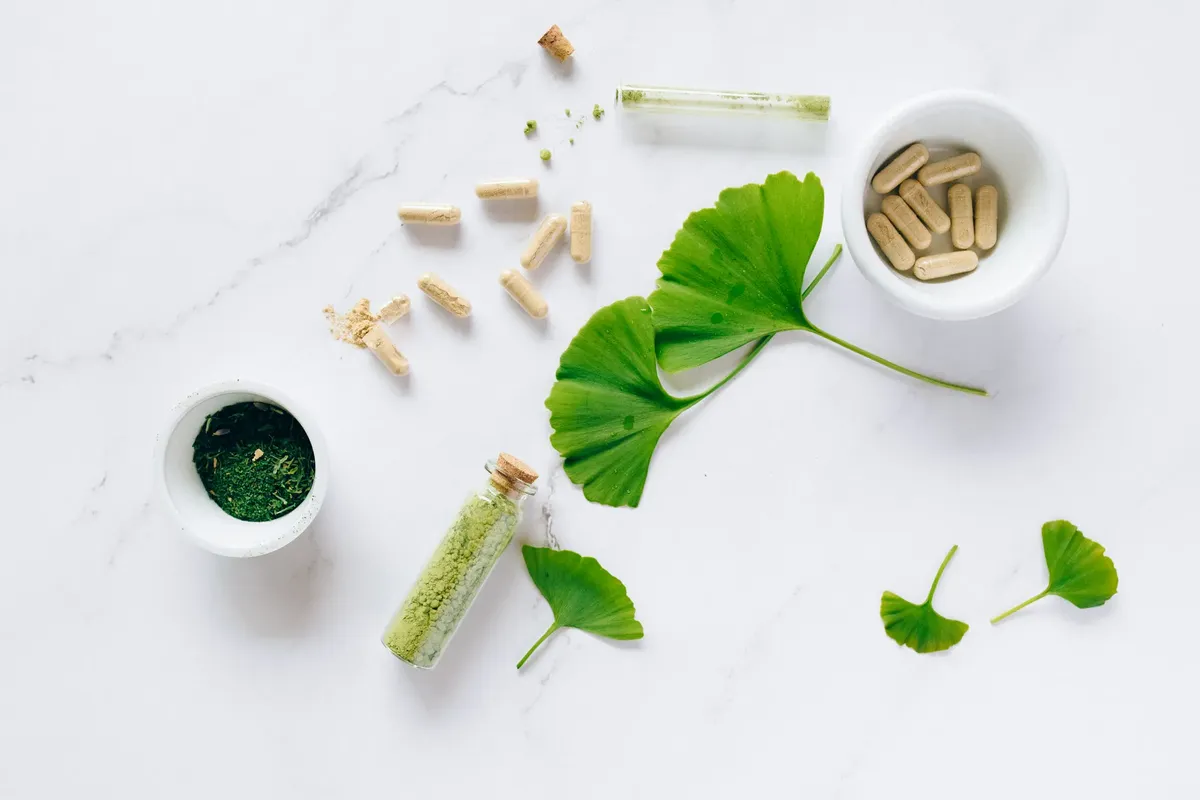
Another method is the creation of herbal wine and elixirs. These alcoholic extracts typically feature an ethanol percentage between 12% and 38%. Each method serves to preserve the active components of the plants in different ways.
The extraction process often requires careful temperature control to maintain integrity. Ingredients are often extracted at a low temperature, specifically below 100 degrees Celsius (212 degrees Fahrenheit), to preserve essential ingredients.
- Select high-quality raw botanical materials.
- Process the plants through drying or grinding.
- Extract active compounds using solvents like water or alcohol.
According to Therapeutic Goods Administration, the 2014 record includes 20%.
How do regulatory bodies manage natural drug applications?
Under the bright office lights, the official sighs while scanning the thick stack of traditional labels for any inconsistencies.
An official reviews a stack of compliance documents, looking for discrepancies between labels and ingredients. As the market for natural products grows, regulatory agencies work to monitor the safety and legality of these substances.
This classification dictates how these products are produced and marketed to the public.
In 2017, they provided criteria for evaluating and grading the quality of clinical research to assist in preparing monographs about herbal products.
Despite these efforts, challenges persist in international markets.
What are the risks of using unverified herbal remedies?
A consumer examines a supplement bottle, wondering if the contents match the printed label. The gap between traditional knowledge and modern quality control can lead to unexpected health outcomes.
One major risk involves the presence of hidden substances. In a 2018 study, the FDA identified active pharmaceutical additives in over 700 analyzed dietary supplements sold as "herbal", "natural" or "traditional".
The discrepancy between labels and reality can be a significant concern for users. It was also found that nearly 60 percent of products surveyed had ingredients that did not match what was on the label.
Regulatory agencies take action when products make illegal claims.
How can individuals safely navigate botanical health practices?
A student of herbalism carefully follows a recipe, ensuring each step is performed with precision. Navigating the world of natural supplements requires a cautious approach to ensure safety and consistency.
To use these products more safely, consider these steps:
- Verify the registration of the product with local health authorities to ensure it meets legal sale requirements. 2. Check all labels for transparency regarding ingredients and avoid products that make unverified medicinal claims. 3. Consult with qualified professionals, noting that in the United States, there is currently no licensing or certification for herbalists in any state that precludes the rights of anyone to use, dispense, or recommend herbs.
Always cross-reference the source of the information. For example, one might check the Ministry of Health, Labour and Welfare's Kampo list, which contains specific approved forms of mixed and single-herb herbal medicine.
One limitation to consider is that few studies are available on the safety of herbs for pregnant women, and one study found that use of complementary and alternative medicines is associated with a 30% lower ongoing pregnancy and live birth rate during fertility treatment.
Wikipedia: Herbal medicine (full) Based on the retained excerpt mentioning WHO: The World Health Organization (WHO) estimates that 80 percent of the population of some Asian and African countries presently uses herbal medicine for some aspect of primary health care.
The subject here is Traditional medicine natural products.
The same subject is also called Ancient healing methods.
This part also covers Modern use of natural drugs.
This part also covers Traditional remedies today.
This part also covers Natural medicine research.
Modern use of natural drugs
Related
Comments 0