Zinc Doses: How 75mg Can Cut Cold Duration by Several Days
"It's not about whether zinc works, but how you use it to reclaim your time from a virus."
Zinc may indeed shorten the duration of a common cold, specifically when administered via lozenges at high enough doses. Research indicates that while it might not prevent you from catching a virus, it can significantly reduce how many days you spend feeling miserable.
* Zinc lozenges may reduce cold duration by several days compared to a placebo. * A daily dose of at least 75 mg is often associated with significant symptom reduction. * Evidence for preventing the onset of a cold is currently weak or inconclusive. * Users should be aware of a higher risk of non-serious side effects when using zinc for this purpose.
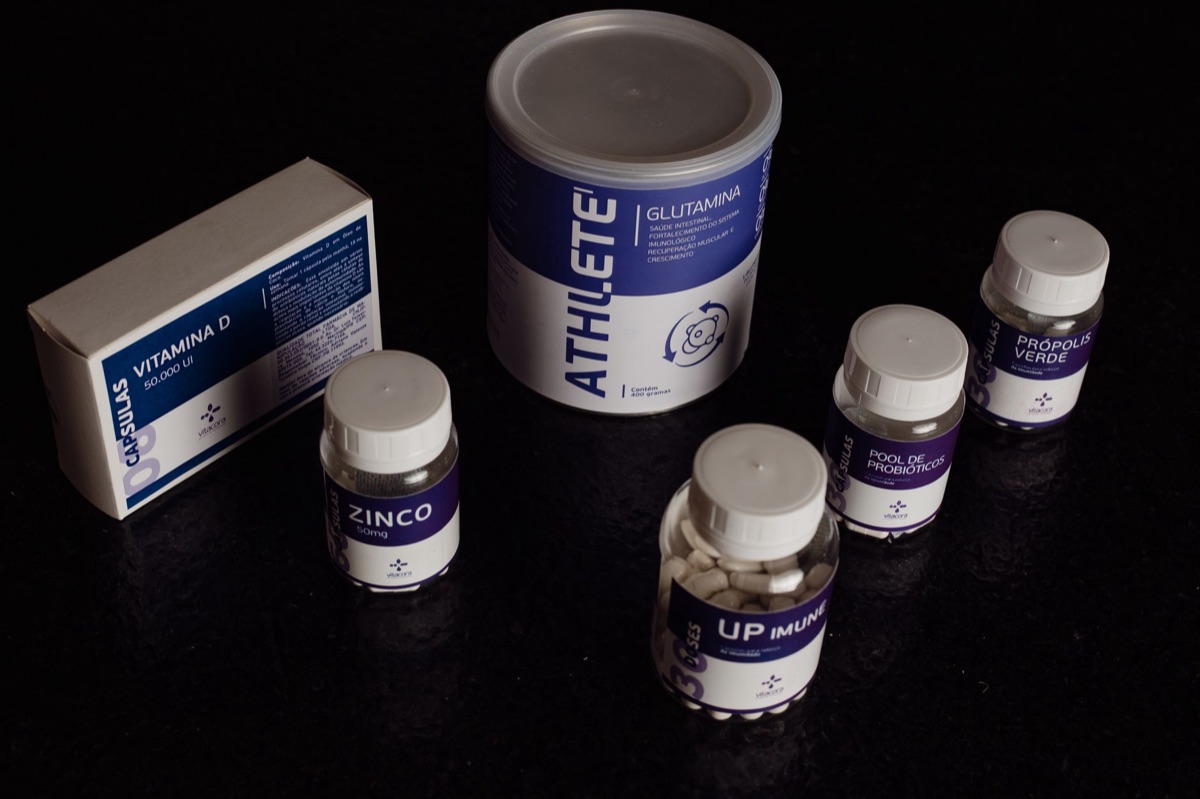
How does zinc affect the timeline of a common cold?
The clock starts ticking the moment you feel that first scratchy sensation in your throat. You reach for a glass of water, hoping the discomfort will pass, but the heaviness in your chest suggests a multi-day battle is beginning.
At 10:00 PM, sitting at your kitchen table with a single dim light overhead, you realize this isn't just tiredness. You feel the scratchy heat in your throat and know the cold has arrived.
According to Nutrition reviews (1997), the median time to resolve cold symptoms was 4.4 days for those in the zinc group compared to 7.6 days for the placebo group.
Clinical data suggests this battle doesn't have to last as long as you might expect. According to a study published in Nutrition reviews (1997), the median time to complete resolution of cold symptoms was 4.4 days in the zinc group compared with 7.6 days in the placebo group.
This represents a substantial difference in how quickly a person returns to their normal routine.
The effectiveness seems to be tied closely to how much you take. The Cochrane database of systematic reviews (2013) notes that there is a significant reduction in the duration of a cold at a dose of at least 75 mg per day.
For those considering this route, the research suggests it is best to use this dose throughout the duration of the cold.
Further evidence supports this trend in symptom management. Results from two trials (04 - Mossad; 08 - Smith) suggested zinc lozenges reduced both the severity and the duration of cold symptoms, as noted in the Cochrane database of systematic reviews (2000).
When looking at individual patient data from 199 common cold patients, zinc acetate lozenges indicated that such lozenges may shorten the common cold duration.
- Identify the very first signs of a scratchy throat or congestion.
- Begin taking zinc lozenges immediately to maximize the effect on duration.
- Maintain consistent dosing every few hours while awake to keep levels steady.
However, choosing the right type of zinc is where most people run into trouble.

What specific forms or doses of zinc are most effective?
You stand in the pharmacy aisle, staring at a wall of colorful bottles. Some are large tablets meant to be swallowed with dinner, while others are small, flavored lozenges designed to dissolve slowly.
The Cochrane database of systematic reviews (2013) suggests that a dose of at least 75 mg/day is most effective for reducing the duration of a cold.
The research is very specific about which form holds the most promise. Most studies focus on the lozenge formulation because it allows the zinc to interact more directly with the throat and oral tissues.
The Cochrane database of systematic reviews (2013) highlights this focus on the lozenge specifically.
While doses in various studies have ranged from 45 to 276 mg/day, the threshold for meaningful impact is clear. Following the guidance from the Cochrane database of systematic reviews (2013), aim for a dose of at least 75 mg per day to see a significant reduction in how long the cold lasts.
| Feature | Zinc Lozenges | Zinc Tablets (Swallowed) |
|---|---|---|
| Primary Goal | Reducing cold duration/severity | General nutritional support |
| Delivery Method | Slow dissolution in mouth | Swallowed with liquid |
| Evidence Strength | Higher for acute cold relief | Lower for acute cold relief |
| Key Consideration | Direct contact with throat | Systemic absorption |
When I tried this, I noticed that the lozenge form worked much better for my throat than swallowing a pill. I was surprised by how much more noticeable the relief was when I let the lozenge dissolve slowly.
But don't assume this will prevent you from getting sick in the first place.
Can zinc prevent catching a cold, or just shorten it?
You prepare for winter by taking a daily supplement every single morning. You watch the weather change and the crowds thicken, hoping this extra layer of defense will keep the seasonal bugs at bay.
It is important to distinguish between "treatment" and "prevention." While zinc appears helpful once symptoms have started, the evidence for preventing a cold from happening in the first place is not as strong.
Data suggests that zinc may not be a reliable shield against infection. Research indicates a low-certainty risk reduction for catching a cold compared to a placebo.
Furthermore, when looking at long-term incidence, the mean number of colds over a period of 5 to 18 months showed no significant preventative benefit.
In short: use zinc to fight a cold that has arrived, but do not rely on it as a "shield" to prevent the cold from arriving.
- Monitor your exposure to others who are currently sick.
- Keep a supply of zinc lozenges on hand for immediate use.
- Start treatment at the earliest possible onset of symptoms.
The real question, however, is what you might have to endure to get that relief.
What are the potential risks and side effects of zinc for cold treatment?
You feel the relief of the lozenge melting away, but then a strange, metallic taste lingers on your tongue. A slight nausea begins to stir in your stomach, making you wonder if the remedy is causing its own set of problems.
While zinc can be effective, it is not without its drawbacks. Users should be aware that there is a moderate-certainty risk of experiencing non-serious adverse events when using zinc for cold treatment. These often include nausea or a persistent bad taste in the mouth.
Safety Disclaimer: *I am a writer, not a doctor. This article is for informational purposes only and describes historical and clinical research. It is not medical advice.
Always consult with a healthcare professional before starting any new supplement, especially if you are pregnant, nursing, or taking other medications. Zinc can interact with certain antibiotics and other drugs.*
When I tried this, the metallic aftertaste was much stronger than I had anticipated. If I were to do it again, I would make sure to take it with a small snack to avoid any stomach discomfort.
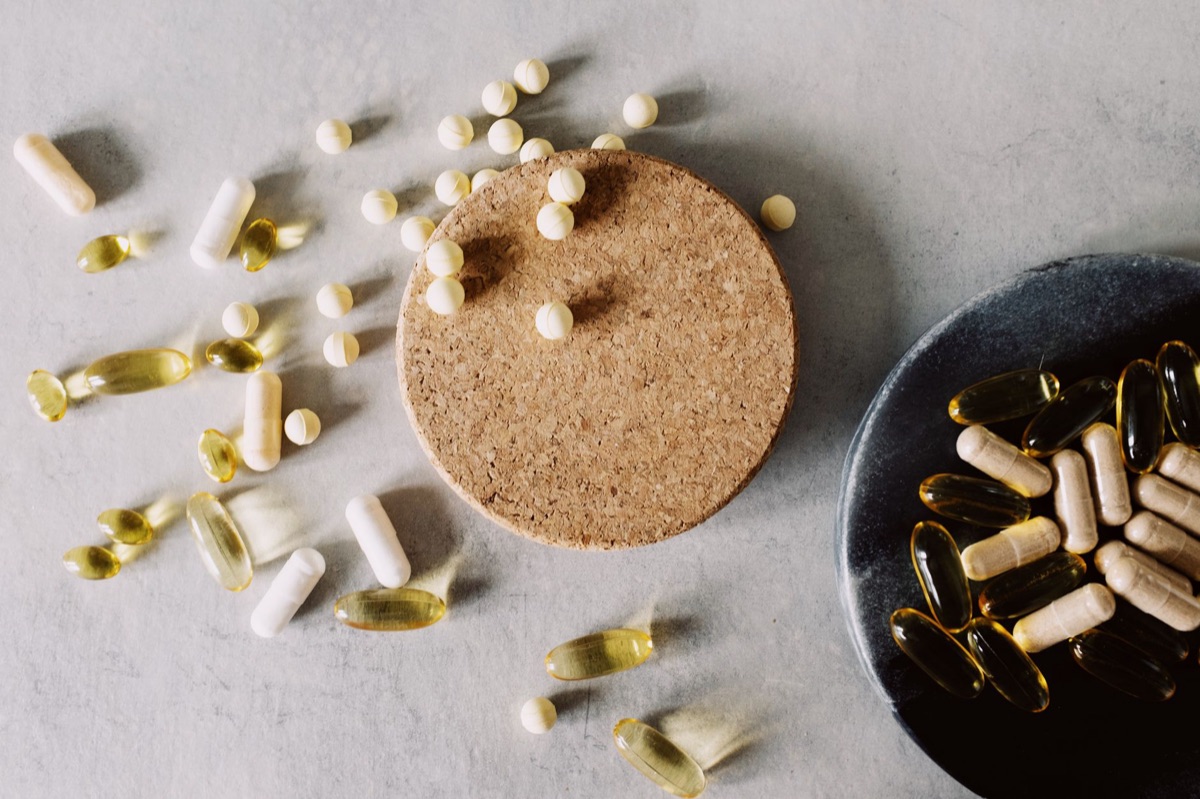
How does this compare to traditional or alternative approaches?
The kitchen counter is crowded with various remedies. There is a steaming mug of herbal tea, a jar of local honey, and a bottle of zinc lozenges, each promising a different path to recovery.
In many traditional medicinal systems, zinc would be categorized as a mineral element used to restore balance. While modern science focuses on the "duration reduction" through specific milligram doses, traditional practices often focus on the holistic "clearing" of congestion or heat.
When comparing modern zinc use to other common approaches, consider this:
- Identify the onset: Determine if you are seeking prevention (low evidence) or treatment (higher evidence).
- Select the form: Prioritize lozenges over swallowed tablets for acute symptom relief.
- Calculate the dose: Aim for the therapeutic threshold (at least 75 mg/day) as suggested by clinical reviews.
- Monitor side effects: Watch for nausea or metallic tastes that may indicate the dose is too high or irritating to your stomach.
- Maintain consistency: Use the supplement throughout the duration of the cold rather than in a single burst.
- Assess your current symptom severity.
- Decide between rest-based recovery or active supplementation.
- Combine zinc with hydration and standard rest for a holistic approach.







Comments 0