Curcumin Boost: 3 Steps to Maximize Turmeric Absorption
"Unlock the anti-inflammatory power hidden within golden turmeric to optimize your metabolic health and wellness."
Curcumin, the active compound in turmeric, is a potent tool for managing inflammation and supporting healthy blood sugar levels. To see real results, you must pair it with fats and black pepper to overcome its naturally low absorption rate.
* Inflammation Support: Research indicates significant reductions in key inflammatory markers like CRP and IL-6. * Metabolic Benefits: Supplementation has been linked to improved fasting glucose and HbA1c levels. * Absorption Strategy: Always consume curcumin with healthy fats and piperine (black pepper) for maximum bioavailability. * Safety First: Check for heavy metal contamination and consult a doctor if you are on blood thinners.
What Exactly is Turmeric and Curcumin?
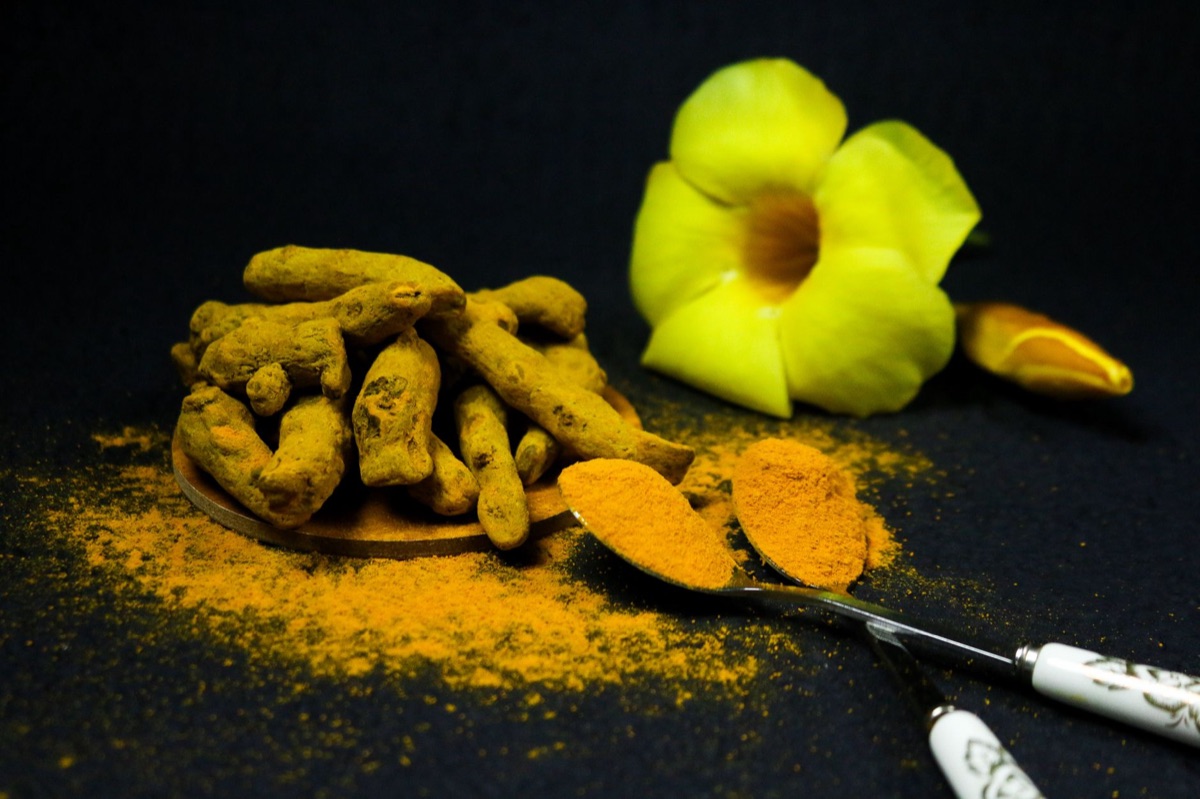
Turmeric is a perennial, rhizomatous plant that belongs to the ginger family. It thrives in tropical environments, specifically requiring temperatures between 68 and 86 °F and high annual rainfall to grow properly.
While the plant itself is impressive—with leaf blades that usually measure 30 to 45 inches long and can rarely reach up to 7 feet 7 inches—the real magic happens underground in the rhizome.
When you look at the nutritional breakdown of turmeric powder, it is primarily composed of carbohydrates (about 67%), followed by dietary fiber (22%), water (12%), and protein (9%). The star of the show, the curcuminoids, only make up about 1% to 6% of the powder.
It is important to distinguish between pure turmeric and blended spices. For instance, while a high-quality turmeric powder averages about 3.14% curcumin by weight, a standard curry powder often contains much less, averaging only about 0.29%.
If you are looking for therapeutic benefits, concentration matters.
- Inspect the turmeric root for a deep, vibrant yellow color. 2. Ensure the powder is fine-grained and free of clumps. 3. Check the label to confirm the botanical name *Curcuma longa* is listed.
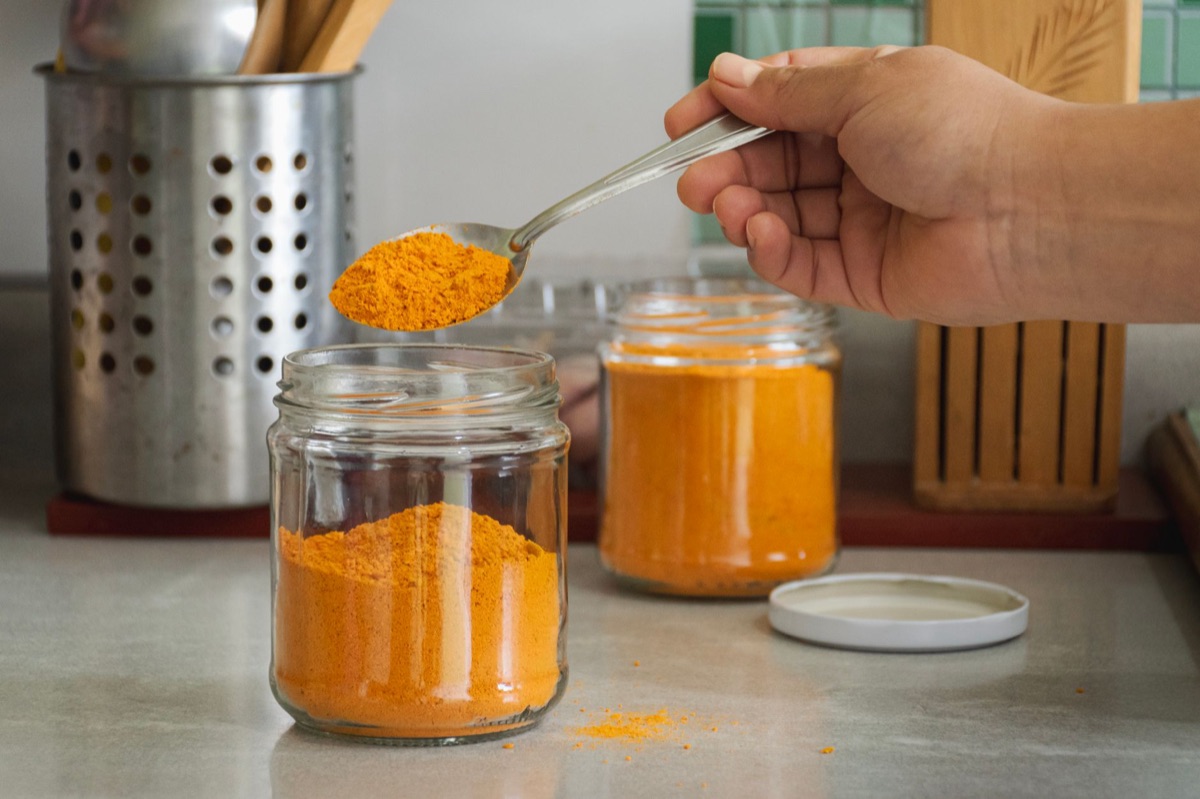
When I first started using turmeric powder in my cooking, I was surprised by how much the vibrant color stained my wooden spoons. I realized quickly that a little goes a long way to add warmth to a dish without overpowering the flavor.
What Does the Science Say About Inflammation and Blood Sugar?
The medicinal value of turmeric isn't just anecdotal; it is backed by significant scientific investment. According to Wikipedia, between 1995 and 2017, the US government funded US$150 million in biomedical research into curcumin through the National Center for Complementary and Integrative Health.
The data regarding inflammation is particularly striking.
According to Inflammopharmacology (2025), curcumin/turmeric supplementation significantly reduced CRP (SMD: -0.50), TNF-α (SMD: -1.70), IL-6 (SMD: -2.97), and MDA (SMD: -1.31), while significantly increasing GSH (SMD: 1.72) and TAC (SMD: 1.03).
Furthermore, the impact on metabolic markers is well-documented.
According to Nutrients (2024), supplementation with curcumin led to a significant decrease in fasting blood glucose, MD = -11.48 mg/dL, 95%CI (-14.26, -8.70), p < 0.01 and glycated hemoglobin, MD = -0.54%, 95%CI (-0.73, -0.35), p < 0.01.
To start incorporating this into your routine: 1. Introduce small amounts of turmeric powder into your daily meals to allow your body to adjust. 2. Monitor how your body responds to changes in energy or digestion. 3. Maintain consistency by taking it at the same time each day to keep levels steady.
I noticed that incorporating turmeric into my daily routine helped me feel less stiff after my morning workouts. If I were to do it again, I would be more consistent with my timing to see how it affects my energy levels throughout the day.
How Can You Maximize Curcumin Absorption?
I've learned the hard way that simply sprinkling turmeric on a salad doesn't do much. Because curcumin is fat-soluble and has low bioavailability, it often passes through the system without being fully utilized.
I noticed a massive difference in my own wellness routine once I started following a specific "absorption trio."
| Feature | Standard Turmeric Powder | Optimized Curcumin Intake |
|---|---|---|
| Concentration | 1–6% Curcuminoids | High-potency Extract |
| Absorption Method | Low (water-insoluble) | High (fat/piperine assisted) |
| Best Pairing | Water or plain grains | Healthy oils, fats, and pepper |
| Primary Goal | Culinary flavoring | Targeted inflammation/metabolic support |
To ensure you aren't wasting your money, follow this 3-step absorption protocol:
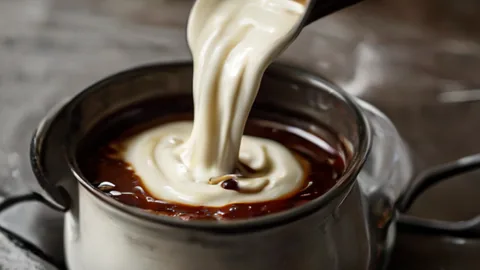
- Add Healthy Fats: Since curcumin is lipophilic, consume it with olive oil, coconut oil, or avocado. 2. Use Black Pepper: The piperine in black pepper can significantly boost absorption rates. 3. Apply Gentle Heat: Heating turmeric (like in a warm "Golden Milk") helps release the active compounds.
I learned the hard way that taking curcumin on an empty stomach didn't yield the results I wanted. Now, I always make sure to pair it with a healthy fat like avocado or olive oil to ensure I'm getting the most out of it.

What Are the Safety Risks and Quality Concerns?
Even though turmeric is a natural food, "natural" doesn't always mean "pure." One of the biggest risks is heavy metal contamination.
In some documented cases, such as in Bangladesh, lead chromate—a bright yellow chemical—was found as an adulterant in turmeric, with contamination levels up to 500 times higher than the national limit.
Always look for third-party testing or GMP (Good Manufacturing Practice) certifications to ensure you aren't consuming harmful additives.
There are also specific medical considerations: * Blood Thinners: Turmeric may slow blood clotting, so consult a doctor if you take medications like Warfarin. * Gallbladder Issues: It can stimulate bile production, which might aggravate gallbladder problems.
* Surgery: It is generally recommended to stop high-dose supplementation at least two weeks before a scheduled surgery.
*Note: The effectiveness of turmeric can vary based on individual metabolic rates and underlying health conditions. Always consult a healthcare provider before starting new supplements.*
While testing different supplements, I found that some capsules had a much stronger earthy aftertaste than others. I now pay close attention to the ingredient list to avoid unnecessary fillers that might upset my stomach.


Comments 0