Ginger's Science: Boost Immunity & Fight Colds
"When the first chill of autumn hits, a warm mug of ginger tea often feels like the best remedy."
Ginger is far more than a kitchen staple used to add zing to stir-fry; it has been a cornerstone of traditional wellness for generations.
If you are wondering whether reaching for ginger when you feel a cold coming on actually works, the answer lies in how it interacts with your body's temperature and circulation.
Key Takeaways * Ginger is known for its warming properties, which can help support circulation and body temperature. * Growth and potency depend heavily on cultivation environments and harvest timing.
* Different forms (fresh, dried, powder) serve different therapeutic and culinary purposes. * Consult a healthcare provider if you are on blood thinners or have specific digestive issues.
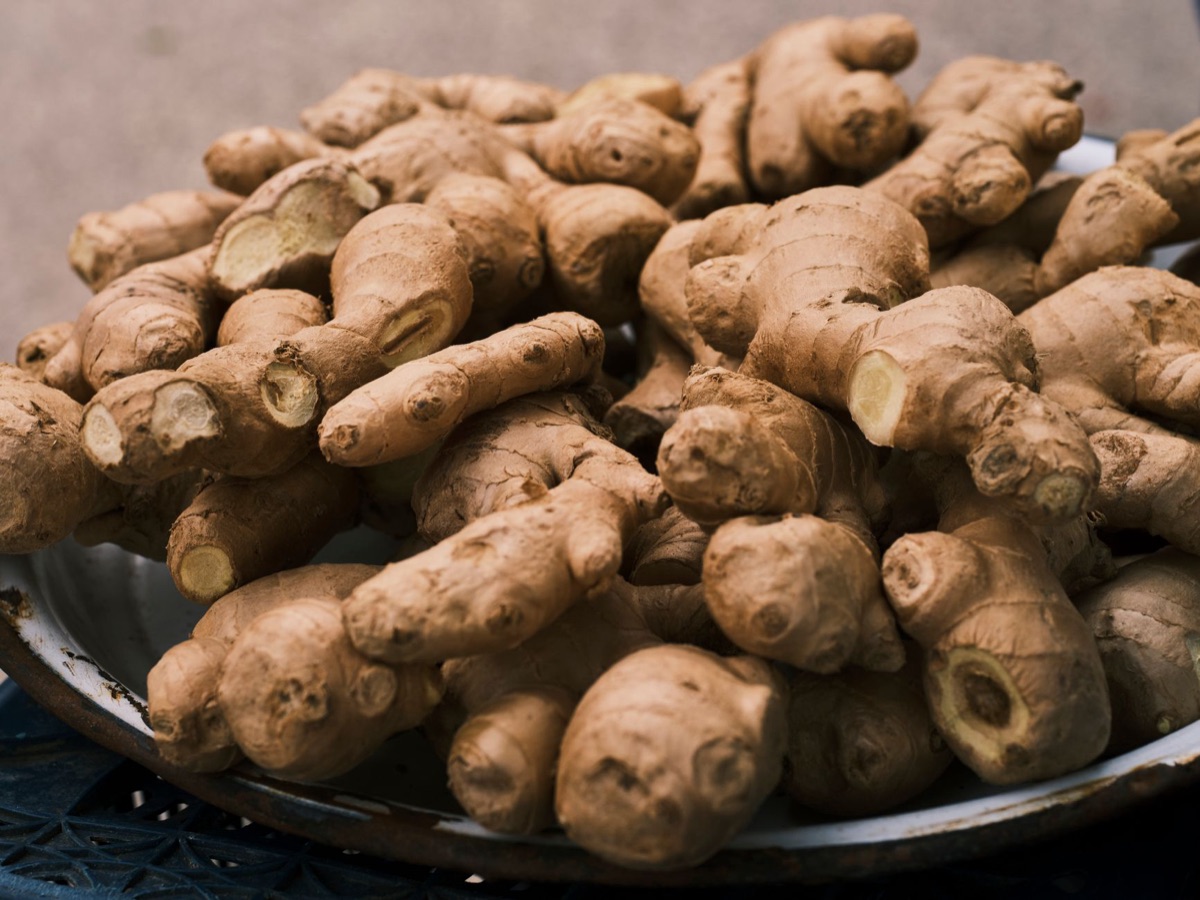
Where does ginger come from and how does it grow?
The ginger we pull from the produce aisle is actually a rhizome, a specialized underground stem. While ginger is a hardy plant that can adapt to various environments, producing high-quality ginger requires very specific conditions.
For optimal growth, ginger thrives in warm, humid settings. It is best produced at elevations between 1,000 and 3,000 feet in well-drained soils that are at least 30 cm deep.
Farmers often prepare the land thoroughly, ploughing the soil at least 3 to 5 times, and setting up irrigation channels spaced about 60 to 80 feet apart.
To ensure the plant stays healthy, growers often use mulching—applying green leaves to the plant beds—immediately after planting, and again at the 45-day and 90-day marks.
If you are looking for "dry ginger," the rhizomes must be harvested only when they reach full maturity, which takes about 8 to 10 months.
The scale of ginger production is massive. According to 2023 data, "world production of raw ginger reached 4.9 million tonnes."
India leads the global market with 45% of the total, followed by Nigeria and China as secondary producers. Once the ginger reaches regional markets, it is typically cleaned, graded, and packed into sacks weighing about 60 kg for distribution.
As of 2025, ginger continues to be a staple crop in tropical climates across Southeast Asia and India. The plant thrives in warm, humid environments with plenty of rainfall.
I remember being surprised by how much space the leafy green shoots take up in a garden compared to the small rhizome they produce. But understanding how it grows is only half the battle; the real question is how it affects you.
Can ginger really help when you feel a cold coming on?
Imagine it is 7:00 PM on a rainy Tuesday. You are sitting on your sofa when you notice a scratchy sensation in your throat and a slight shiver running down your spine.
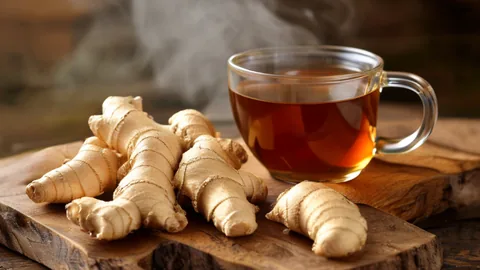
In these moments, brewing a ginger tea isn't just about comfort; it's about utilizing a plant known for its warming effects.
Ginger's primary appeal in wellness is its ability to stimulate circulation. When you experience chills due to a cold, ginger may help by increasing blood flow, which can assist in raising your body temperature and activating your natural defenses.
However, moderation is vital. Because ginger is "thermogenic" (heat-producing), it may not be the best choice if you are already experiencing a high fever.
If your symptoms lean more toward "fever" rather than "chills," focus on hydration instead. For general wellness, sipping about 200ml of warm ginger tea two to three times a day is a common approach.
To avoid irritating your throat or esophagus, try to keep the tea at a comfortable temperature, roughly between 140°F and 158°F (60–70°C).
As of 2025, many people still rely on ginger as a primary home remedy for soothing minor respiratory discomfort. The warming sensation of the spice is a widely recognized characteristic of the root.
When I tried this during a particularly chilly week, I noticed it helped settle my stomach as much as it helped my throat. But to get those benefits, you have to know which version to buy.
Choosing the right form of ginger
Not all ginger is created equal. Depending on whether you want to season a meal or soothe a sore throat, you will want to choose a different form.
| Form | Characteristics | Primary Use |
|---|---|---|
| Raw Ginger | High moisture, pungent, fresh aroma | Cooking, fresh tea, digestion support |
| Dry Ginger | Concentrated compounds, intense warmth | Herbal preparations, long-term storage |
| Ginger Juice | Fast absorption, immediate sensation | Throat irritation, concentrated flavor |
| Ginger Powder | Convenient, easy to measure | Baking, seasoning, quick tea blends |
When shopping for fresh ginger, look for pieces that feel heavy for their size and have smooth, firm skin.
If a piece feels soft, spongy, or shows signs of discoloration, it has likely begun to rot inside and should be avoided.
As of 2025, consumers can find ginger in various forms including fresh rhizomes, dried powders, and concentrated extracts.
Choosing between these depends entirely on whether you need the pungent bite of fresh root or the convenience of a powder.
I found that using fresh ginger provides a much brighter flavor than the pre-ground versions I previously used. Once you have your ginger, you need to know how to prepare it.
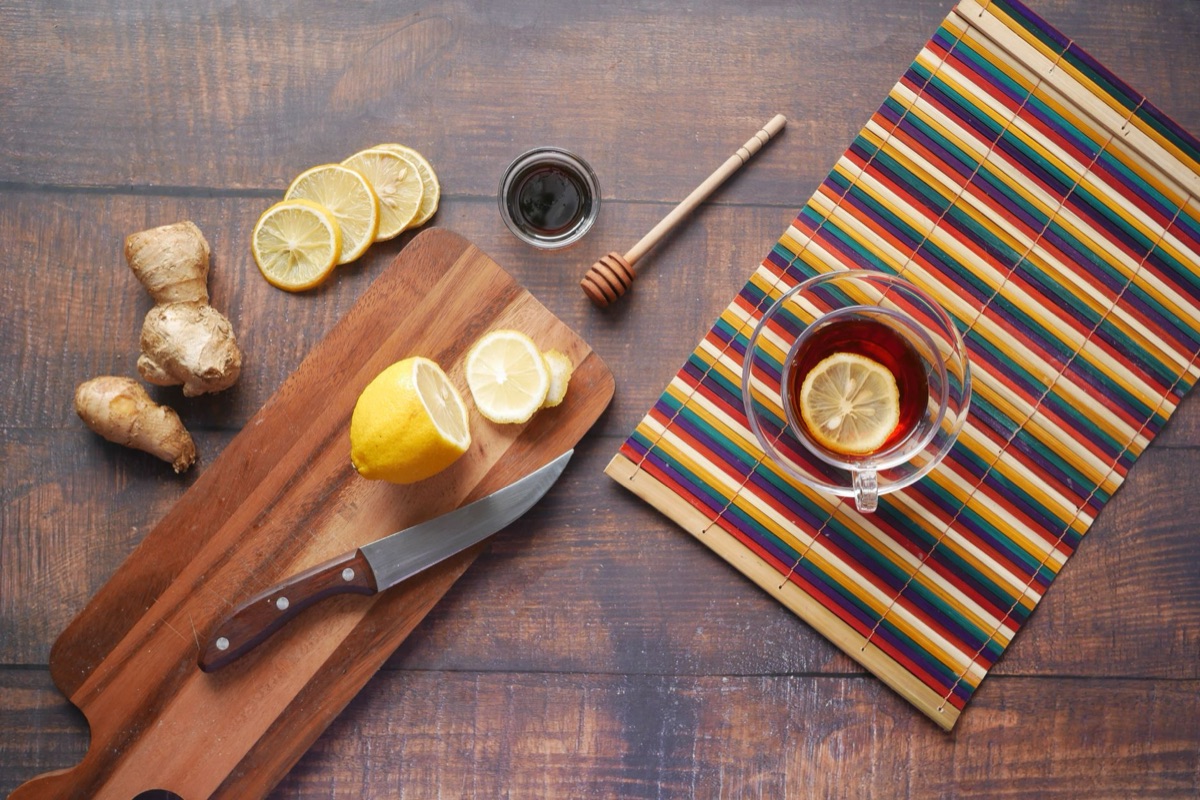
A step-by-step guide to making ginger tea at home
If you feel those first signs of discomfort, follow this simple process to create a potent infusion.
- Prepare the ingredients: Take about 1 ounce (20–30g) of fresh ginger and 2 cups (500ml) of water.
- Slice thin: You don't necessarily need to peel the ginger if it is clean, but wash it thoroughly.
- Slice thin (cont.): Slice the ginger into very thin coins; the more surface area exposed, the better the nutrients will infuse into the water.
- Simmer: Bring the water to a boil, then add the ginger and immediately turn the heat down to low.
- Simmer (cont.): Let it simmer gently for 15 to 20 minutes. Avoid boiling it too aggressively for too long, as this can make the taste unpleasantly bitter.
- Add sweeteners: If the spice is too intense, stir in a spoonful of honey. Honey is excellent for coating and soothing the throat.
- Sip slowly: Drink the tea while it is warm. It is more effective to sip small amounts throughout the day rather than drinking a large amount all at once.
The Quick Method: 1. Wash 3.5 ounces (100g) of ginger under running water for 5 minutes. 2. Peel and slice into 0.2-inch (0.5cm) thick pieces. 3. Add to 2 cups (500ml) of water, bring to a boil, then simmer on low for 15 minutes. 4. Pour into a mug and drink while warm.
As of 2025, making fresh ginger tea remains one of the simplest ways to incorporate the root into a daily wellness routine.
The process requires only a few basic kitchen tools and a few minutes of simmering time.
I would suggest slicing the ginger thinner next time to extract even more flavor without needing to boil it for as long. However, even natural remedies require caution.
Important precautions and side effects
While ginger is a natural product, it is not without risks.
I have personally noticed that on days when I make my ginger tea particularly concentrated, I can experience a bit of heartburn or stomach discomfort.
Please keep the following in mind:
* Digestive Sensitivity: The spicy compounds in ginger can irritate the stomach lining.
* Digestive Sensitivity (cont.): If you have a history of stomach ulcers or gastritis, avoid drinking ginger tea on an empty stomach.
* Blood Thinners: Ginger may have a mild anticoagulant effect.
* Blood Thinners (cont.): If you are taking prescription blood thinners or have an upcoming surgery, you must consult your doctor first.
* High Fever: If your cold is accompanied by a high temperature, the warming nature of ginger might exacerbate the heat.
* High Fever (cont.): In this case, focus on clear broths and water.
Ginger is a supplement to, not a replacement for, medical treatment. If your symptoms persist or worsen, please seek professional medical advice.
As of 2025, it is important to remember that consuming excessive amounts of ginger may cause mild digestive upset in some individuals.
Moderation is key when adding concentrated ginger products to your diet.
I noticed that drinking too much on an empty stomach occasionally caused a bit of heartburn, so I now always pair it with a small snack.


Comments 0