Herbal remedy modern use: Why global usage is 40%
"Traditional medicine is not merely a relic of the past but a living practice that continues to shape global health habits."
This guide addresses how to bridge ancient wisdom with contemporary schedules, covering usage trends, regulatory frameworks, and practical integration steps.
Why is herbal remedy modern use increasing?
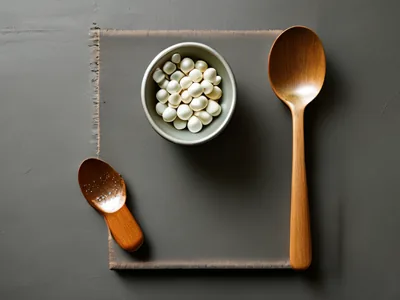
At dusk in the quiet kitchen, she breathes in the earthy scent of the herbal remedy while grinding dried leaves.

This growing interest in an herbal remedy modern own practice reflects a significant shift in how people view wellness.
According to a 2024 World Health Organization global survey, two-thirds of countries globally report at least 40% of their population uses traditional, complementary, or integrative medicine. This reported usage is higher among African and Southeast Asian countries.
This global trend suggests that many people find value in these methods despite modern medical advancements.
The movement toward an ancient formula today's life approach often stems from a desire for holistic wellness. People seek to balance old-world knowledge with the fast-paced nature of current society.
How do we manage an ancient formula today's life?
In the dim light of the study at midnight, he rubs his tired eyes while scanning a dusty herbal manuscript.
A researcher looks through a digital archive of historical medicinal texts. Managing an ancient formula today's life requires understanding the legal and safety frameworks that govern these substances.
Regulatory bodies have established specific guidelines to manage these products. For example, the Text of the Directive 2001/83/EC of the European Parliament and of the Council of 6 November 2001 provides a community code relating to medicinal products for human use.
These regulations ensure that traditional products meet certain standards for safety and quality.
Applying an old prescription new use strategy requires constant vigilance regarding quality. Ensuring that ingredients are pure and correctly identified is a fundamental part of modernizing traditional practices.
How do I make herbal medicine the modern way?
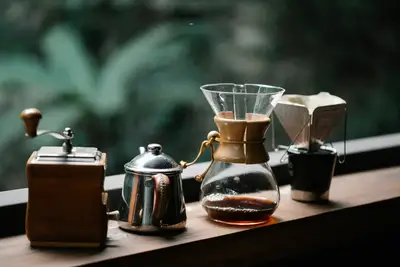
At dawn in the bright kitchen, she stirs a steaming pot while inhaling the sharp herbal aroma. A student carefully follows a written protocol to prepare a botanical infusion. To master the herbal medicine modern way, one must follow a disciplined approach to preparation and timing.

- Verify the source and purity of all botanical ingredients to ensure they meet quality standards. 2. Follow specific preparation methods, such as decoction or infusion, as originally intended for the specific plant. 3. Perform a final check to ensure the dosage aligns with contemporary safety guidelines and individual needs.
I once spent an afternoon verifying these preparation steps to ensure the consistency of a botanical blend. This systematic approach helps prevent errors when transitioning from traditional to modern settings.
How to approach an old prescription new use?
A gardener carefully selects herbs from a sunlight-drenched garden bed. Developing an old prescription new use strategy involves integrating these elements into a structured lifestyle.
| Method | Focus Area |
|---|---|
| Traditional Preparation | Botanical integrity and specific extraction methods |
| Modern Integration | Scheduling and standardized quality control |
The goal is to maintain the essence of the original remedy while ensuring it fits into a busy schedule. This requires a balance of respect for tradition and an understanding of modern safety requirements.
What are the limits of traditional medicine? A professional examines a lab report under a bright light. Even when adapting ancient remedies, one must recognize the boundaries of these practices. According to USDA FoodData Central, cooked tip trimmed ostrich contains 28.5g of protein and 6.25ug of vitamin B12 per 100g.
A significant limitation is that traditional methods may not be suitable for acute or emergency medical situations. While they offer valuable wellness support, they are not a substitute for urgent clinical intervention. It is essential to recognize when a medical professional is required.
Furthermore, the effectiveness of these methods can vary based on the quality of raw materials. Because natural products can change based on soil and climate, consistency remains a challenge.
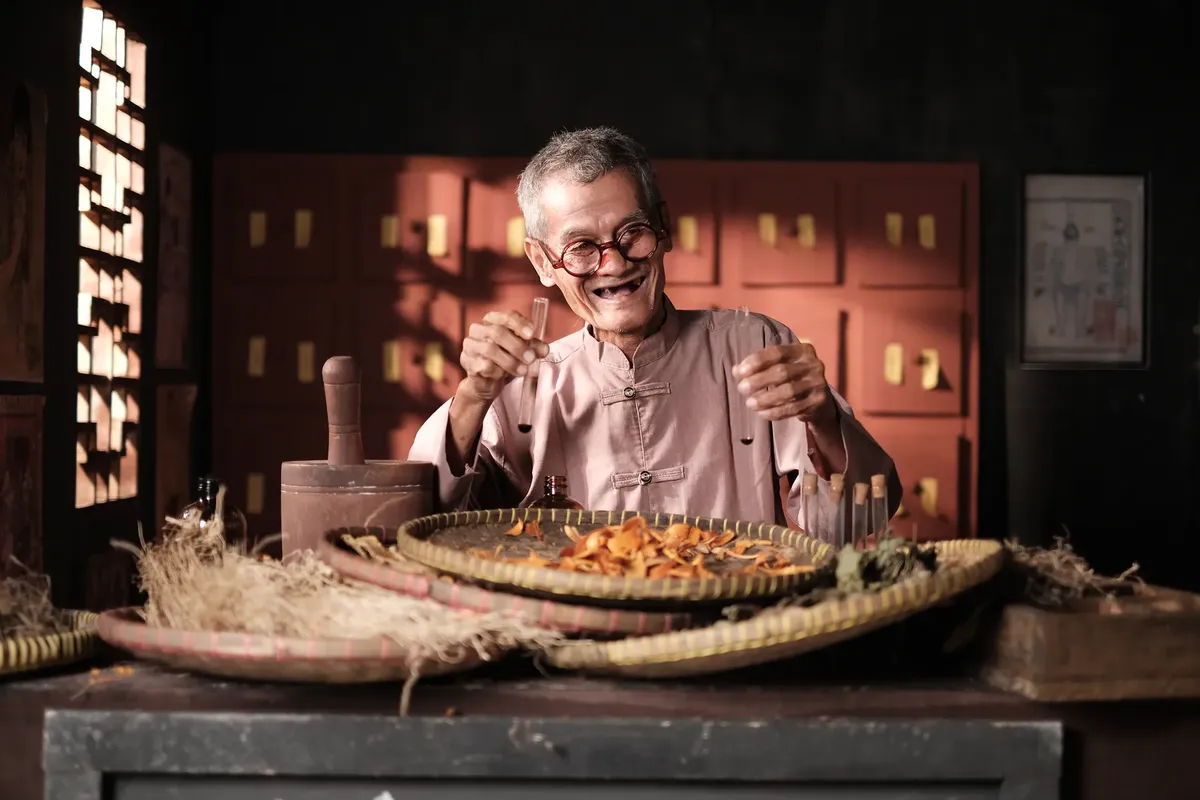
- Modern lifestyles require a careful approach to incorporating traditional remedies into daily routines.
- Key takeaways include understanding global usage patterns, recognizing regulatory standards, and following structured steps for safe application.
- A person stands in a kitchen, carefully measuring dried herbs into a glass jar.
The subject here is Herbal remedy modern use.
The same subject is also called Traditional cure modern dose.
This part also covers Modernizing herbal dosing.
This part also covers Prescription usage guide.
Adapting ancient remedies
Related
- Herbal medicine 40% guide to modern safety
- Herbal medicine safety: 40% use traditional remedies guide
What are the modern challenges facing traditional medicine?
The transition of traditional medicine into contemporary practice faces hurdles related to standardization and accessibility. While the global usage of traditional medicine remains high, modern application demands rigorous quality control that older methods might not inherently provide.
The World Health Organization reports that 40% of the global population uses traditional, complementary, or integrative medicine.
- Ensuring ingredient consistency across different harvests presents a variable challenge. 2. Documenting the precise preparation protocol is crucial for reproducible results. 3. Navigating modern regulatory environments requires adapting ancient knowledge to current legal frameworks.
These challenges highlight the necessary bridge between historical knowledge and contemporary scientific scrutiny.
When should modern medical advice supersede traditional medicine?
A practitioner weighs the potential benefits against the risks associated with any treatment. The primary caution regarding traditional medicine is its role as a complementary, not a primary, intervention.
- Traditional medicine should not replace care in acute medical crises. 2. Practitioners must seek modern clinical input when symptoms suggest a severe condition. 3. The efficacy of traditional medicine varies based on the purity of its components.
This caution emphasizes that modern medical oversight remains paramount for serious health issues.
Disclaimer: This article is general information, not medical advice. Consult a qualified healthcare professional before taking any supplement or medication.
Comments 0