Rosemary Western Herbs Rosemary Guide for selection
This Western Herbs Rosemary Guide focuses on the botanical characteristics and nutritional profiles of rosemary to help readers distinguish it from other culinary and aromatic herbs. It is designed for home cooks and herbal enthusiasts seeking to understand the specific traits of this woody perennial. You will learn how to identify rosemary by its needle-like leaves and scent, the nutritional data available for certain herb-infused preparations, and the importance of selecting fresh versus dried specimens. Please note that while herbs are used widely in traditional practices, this guide provides nutritional information and botanical descriptions rather than medical advice or treatment recommendations.

* Identify rosemary by its distinct needle-shaped leaves and aromatic resinous scent. * Understand the nutritional composition of herb-infused products using USDA data. * Learn the selection criteria for choosing high-quality rosemary. * Recognize the difference between culinary herbs and specialized medicinal botanicals.
What makes rosemary so unique?
In the bright kitchen, she pinches the stiff leaves of the rosemary to release a sharp, pine-like scent.
Reaching into a terracotta pot in a sunny kitchen, a person pulls a slender, woody stem from the soil as part of a Western Herbs Rosemary Guide. The leaves feel stiff and waxy between the fingers, releasing a sharp, pine-like aroma that fills the room.
These physical traits define the rosemary features that set it apart from softer culinary greens.
Rosemary is a perennial subshrub characterized by its needle-like leaves and woody stems. The foliage is typically dark green on the upper surface and lighter underneath, providing a texture that resists wilting during cooking.
This structural durability makes it a staple in Mediterranean-style preparations. Understanding rosemary key characteristics involves observing the leaf rigidity and the pungent, camphoraceous scent released when the leaves are bruised.
How to use a Western Herbs Rosemary Guide for selection?
At the morning market, you sniff the vibrant sprigs of rosemary to feel the resinous punch of its aroma.
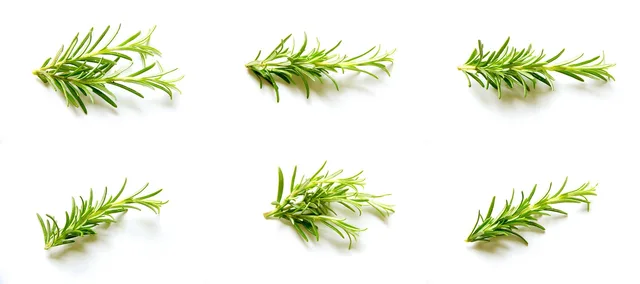
You stand in a local market, holding a bundle of fresh greens in one hand and a dried jar in the other. You sniff the leaves, looking for that deep, resinous punch that signals freshness. Comparing Western herbs requires a sensory approach to ensure the potency of the flavor.
When selecting rosemary, prioritize the appearance of the leaves and the strength of the scent. Fresh sprigs should be vibrant and firm, not limp or discolored. For those practicing herbalism with Western herb types, the quality of the essential oils within the leaf is the primary indicator of value.
You can use this rep to evaluate whether the herb is suitable for infusion or direct culinary use.
How do Western herbs differ?
A chef lays out several small bowls on a wooden cutting board, each containing a different herb. One bowl holds soft basil, another holds delicate thyme, and the third holds the sturdy rosemary. This visual comparison helps in understanding how different plant structures affect cooking methods.
| Herb Type | Leaf Texture | Primary Aroma Profile |
|---|---|---|
| Rosemary | Needle-like, woody | Camphoraceous, pine-like |
| Thyme | Small, ovate | Earthy, slightly minty |
I noticed during my own kitchen preparations that the woody texture of rosemary requires more heat or longer infusion times compared to softer herbs. Selecting the right herb depends on the intended application and the desired intensity of the aromatic profile.
What is the nutritional profile of herb-infused products?
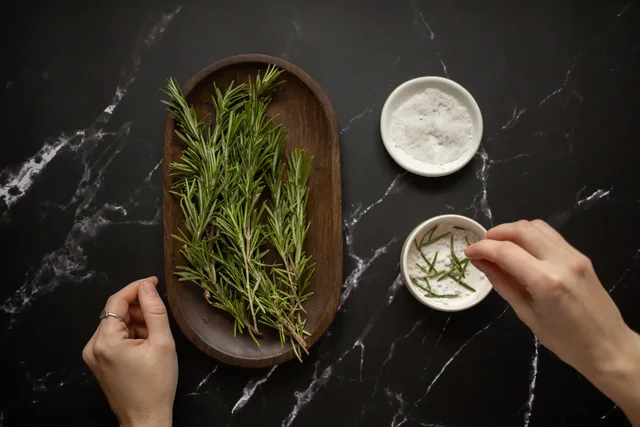
A person stirs a spoonful of canned tomato sauce into a simmering pot, noticing the flecks of green herbs and cheese swirling in the red liquid. The steam rises, carrying the scent of the seasoning. Checking the labels of processed herb products provides insight into their chemical makeup.
According to USDA FoodData Central, canned tomato sauce containing herbs and cheese provides 247kj of energy per 100g. This specific product contains 2.2g of dietary fiber, 49ug of Vitamin A, and 10mg of Vitamin C. It also contains 543mg of sodium and 1.93g of fat per 100g serving.
These figures describe the nutritional density of prepared herb-based sauces rather than the raw rosemary plant itself.
How to select rosemary through a Rosemary selection guide?
You walk through a garden aisle, carefully inspecting the underside of a rosemary bush. You look for any signs of discoloration or pests on the woody stems. Following a systematic approach ensures you bring home the best possible specimen.
- Inspect the stems for a sturdy, woody base that is not mushy or decaying. 2. Check the leaves for a deep green color and a lack of spotting or mold. 3. Squeeze a leaf gently to ensure a strong, immediate release of aromatic oils.
Perform a final check by smelling the entire plant to ensure the scent is consistent throughout the bush. This process helps in applying a Rosemary selection guide to real-world shopping or gardening.
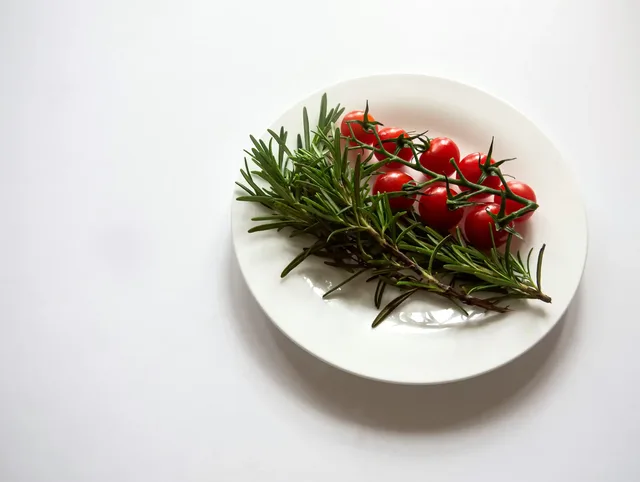
- Examine the needle-like leaves for color.
- Check the stem for firmness.
- Smell the herb to ensure potency.
Is there a limitation to using rosemary?
A gardener looks at a rosemary plant during a heavy rainstorm, noticing how the soil becomes saturated around the roots. The plant sits in a heavy clay pot, and the moisture seems to linger too long. This specific environmental condition can affect the plant's health.
The effectiveness of rosemary as a culinary or aromatic tool is limited by its specific growth requirements and the quality of the source material. For example, rosemary may struggle in environments with poor drainage or excessive moisture, which can alter its essential oil concentration.
I find that the second step in this process is the most important.
This Western herbs rosemary guide provides a foundational understanding of rosemary's physical traits and the nutritional context of herb-containing products. While rosemary is a versatile botanical, its use is subject to the quality of the plant and the specific preparation methods used.
Disclaimer: This article is general information, not medical advice. Consult a qualified healthcare professional before taking any supplement or medication.





Comments 0