Rosemary growing guide: how to manage sunlight needs
"The world relies heavily on the botanical diversity provided by nature, with many populations looking to plants for their fundamental needs."
This rosemary growing guide explains that growing rosemary requires well-draining soil, consistent sunlight, and careful moisture management to prevent root rot. This guide is intended for home gardeners looking to cultivate this fragrant herb through proper planting and maintenance steps.
Avoid overwatering in heavy clay soils, and note that specific medicinal claims for home-grown herbs are not established by clinical regulatory standards.
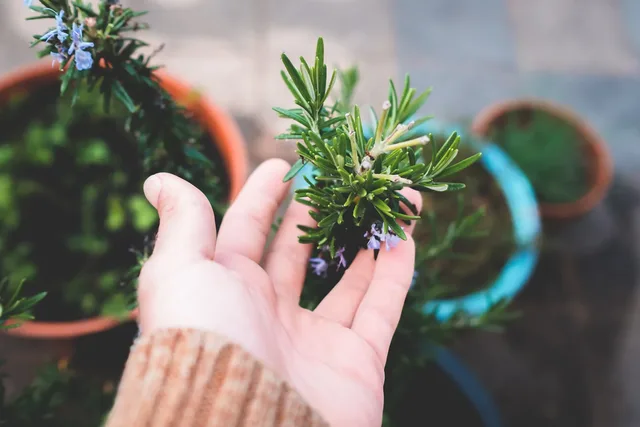
* Prioritize full sun exposure for vigorous growth. * Use sandy, well-draining soil to prevent moisture buildup. * Monitor watering schedules to ensure the soil dries between sessions. * Prune regularly to encourage bushy development.
How to grow rosemary effectively?
A gardener reaches for a small trowel and digs a shallow hole in a sunny corner of the backyard. The soil feels gritty and warm under the midday sun as the new plant is settled into its place. To ensure success with your rep, you must provide at least six to eight hours of direct sunlight daily.
Rosemary thrives in Mediterranean-style environments where light is abundant. According to the Food and Agriculture Organization, over 50,000 medicinal plants are used across the world, highlighting the vast diversity of botanical species that require specific care.
Providing enough light ensures the essential oils remain concentrated in the leaves.
To ensure your rosemary thrives, follow these essential steps: 1. Select a sunny location with excellent air circulation. 2. Plant in well-draining soil to prevent root rot. 3. Water only when the top inch of soil feels dry.
What are the best Rosemary soil and light requirements?
The sun beats down on a terracotta pot sitting on a wooden patio table. You run your fingers through the dry, sandy earth to check the texture before adding more grit. Proper Rosemary soil and light conditions are the foundation of a healthy herb garden.
The plant requires soil that allows water to pass through quickly to protect the root system. If the ground stays soggy, the roots may succumb to decay. I found that adding coarse sand to standard potting mixes significantly improved the drainage during my first planting season.
Can I use Rosemary care tips for indoor plants?
You pull a heavy curtain aside to let the morning light flood the kitchen windowsill. The ceramic pot sits near the glass, catching the early rays of the sun. Using Rosemary care tips indoors involves managing both light intensity and airflow to mimic outdoor conditions.
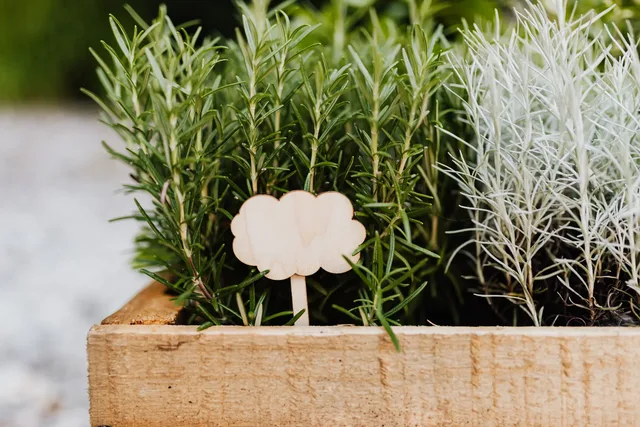
Indoor environments often lack the natural wind and intense UV exposure that rosemary enjoys. You may need to supplement with a grow light if your window does not provide sufficient brightness.
Keeping the plant in a well-ventilated area helps prevent fungal issues that commonly arise in stagnant indoor air.
Yes, you can grow rosemary indoors, but you must provide a bright windowsill and use a pot with drainage holes to mimic outdoor conditions.
What is the best Rosemary planting guide for beginners?
A pair of gardening gloves rests on the grass next to a fresh bag of potting mix. You carefully steady the young seedling as you move it from its plastic nursery container to the garden bed. Following a rosemary growing guide helps prevent common mistakes during the transition phase.
- Select a location that receives maximum sunlight throughout the day. 2. Prepare the site by mixing organic compost with sandy, well-draining soil. 3. Dig a hole twice as wide as the root ball and settle the plant firmly.
After completing these steps, perform a final check by pressing the soil around the base to remove large air pockets.
Beginners should start with established nursery plants rather than seeds to ensure a higher success rate and faster growth.
How to manage Rosemary harvest methods?
The scent of crushed needles fills the air as you snip a small branch with sharp shears. You hold the fragrant sprig in your hand, feeling the texture of the woody stem. Mastering Rosemary harvest methods ensures the plant continues to produce new growth rather than becoming leggy.
Always harvest from the top of the plant to encourage lateral branching. This technique prevents the center from becoming too sparse. I prefer to take only small amounts at a time to avoid stressing the entire shrub during the growing season.
Harvest by cutting woody stems sparingly, making sure to leave enough foliage on the plant to allow for continued regrowth.
How to handle Rosemary pest control?
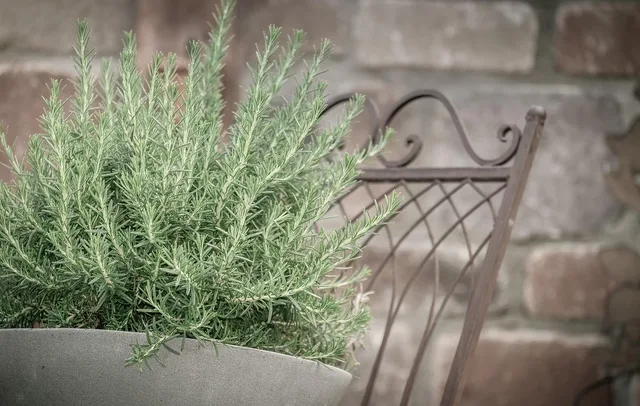
You lean in close to the underside of a leaf, inspecting the green surface for any signs of unwanted visitors. The garden is quiet, save for the distant sound of a breeze through the trees. Effective Rosemary pest control focuses on prevention through proper spacing and moisture management.
Maintaining dry foliage is a primary defense against many common garden issues. If you notice pests, organic interventions are often the first line of defense for edible herbs.
Monitor your plants regularly for spider mites or whiteflies, and use insecticidal soap or neem oil to manage infestations naturally.
How to avoid common Rosemary mistakes?
Avoiding mistakes requires a comparison between well-draining sandy soil and heavy clay soil. While the world relies on botanical diversity, improper soil choice can lead to immediate plant failure.
You must ensure the soil texture allows water to pass through quickly to prevent the roots from succumbing to decay.
If you choose a location with insufficient light, the essential oils in the leaves may not remain concentrated. Comparing a sunny backyard corner to a shaded kitchen windowsill reveals that indoor plants often lack the intense UV exposure rosemary enjoys.
You should monitor the moisture levels closely to ensure the soil dries between watering sessions, as overwatering in heavy clay is a primary cause of root rot.
What should I watch for during maintenance?
Watch for signs of leggy growth or sparse centers by comparing the plant's shape to a bushy, well-pruned shrub. Regular pruning is a necessary procedure to encourage lateral branching and prevent the center from becoming too thin.
I suggest checking the underside of leaves for pests to ensure that stagnant indoor air or poor spacing has not caused fungal issues.






Comments 0