Traditional remedies modern use: Guide to Herbal Medicine
"The bridge between ancient wisdom and modern science is often built through the careful study of botanical properties and historical usage."
Traditional remedies modern use involves integrating historical knowledge with contemporary health practices to address various wellness needs. This guide explores how global populations utilize these methods, the risks of unregulated supplements, and the historical roots of insect-based therapies.
You will learn about current usage trends, the importance of label accuracy, and the specific risks associated with certain substances.
How is traditional medicine utilized globally?
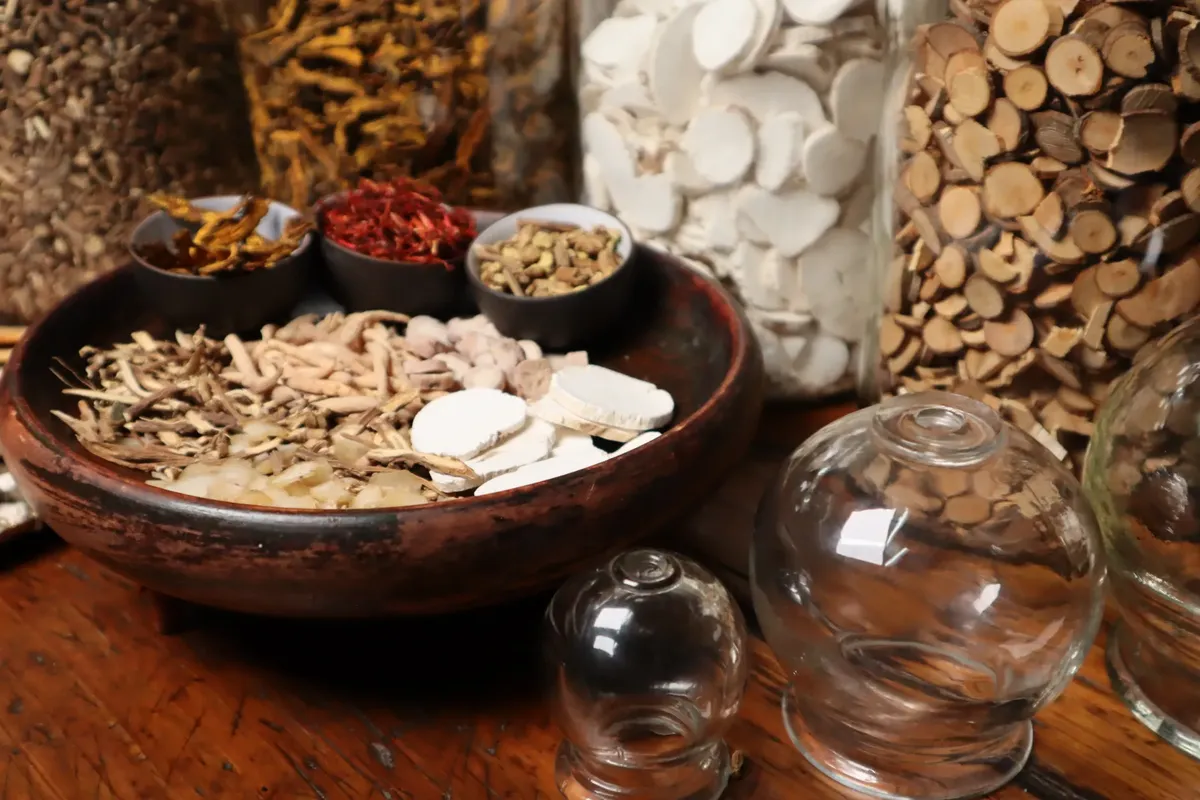
A researcher looks at a map of the world, noting how different regions lean on natural resources for health. In many parts of the world, traditional treatments today serve as the primary source of care for various health needs.
According to a 2024 World Health Organization global survey, two-thirds of countries globally report at least 40% of their population uses traditional, complementary, or integrative medicine; reported usage is higher among African and Southeast Asian countries.
This widespread reliance highlights how ancient cures modern health needs frequently intersect. In some specific regions, the reliance is even more pronounced.
The World Health Organization (WHO) estimates that 80 percent of the population of some Asian and African countries presently uses herbal medicine for some aspect of primary health care.
This high percentage indicates that for many, these methods are not just alternatives but fundamental components of daily health management.
What are the risks of unregulated herbal products? Traditional remedies modern use
A consumer carefully inspects a bottle of natural supplement in a brightly lit pharmacy aisle. While seeking natural solutions, one must remain aware of the potential for hidden ingredients in products marketed for wellness.
This finding suggests that what is labeled as a natural remedy may contain undisclosed substances.
The discrepancy between labels and contents can lead to unexpected health outcomes. In one survey, nearly 60 percent of products surveyed had ingredients that did not match what was on the label.

This lack of transparency underscores the necessity of caution when selecting herbal medicine modern science-based products.
How did ancient cultures use insects for health?
An archaeologist brushes dust away from an ancient Egyptian artifact, uncovering secrets of early medical practices. History shows that even small organisms played a role in therapeutic traditions.
The study of historical medicine reveals surprising techniques used by early civilizations. For example, the Smithsonian Institution has documented historical uses of insects such as the utilization of bee venom therapy in Egyptian medicine for treating arthritis and joint pain.
These documented practices provide a glimpse into how early healers viewed the natural world.
Integrating herbalism with wireless modern care often begins with understanding these historical precedents. While modern science seeks to isolate active compounds, the original use of biological materials remains a cornerstone of ethnobotany.
What are the safety considerations for specific groups?
A pregnant woman pauses to consider the implications of a herbal tea before taking a sip. Certain life stages require much more stringent oversight regarding the use of botanical extracts.
Safety profiles for various substances can change depending on the individual's physiological state.
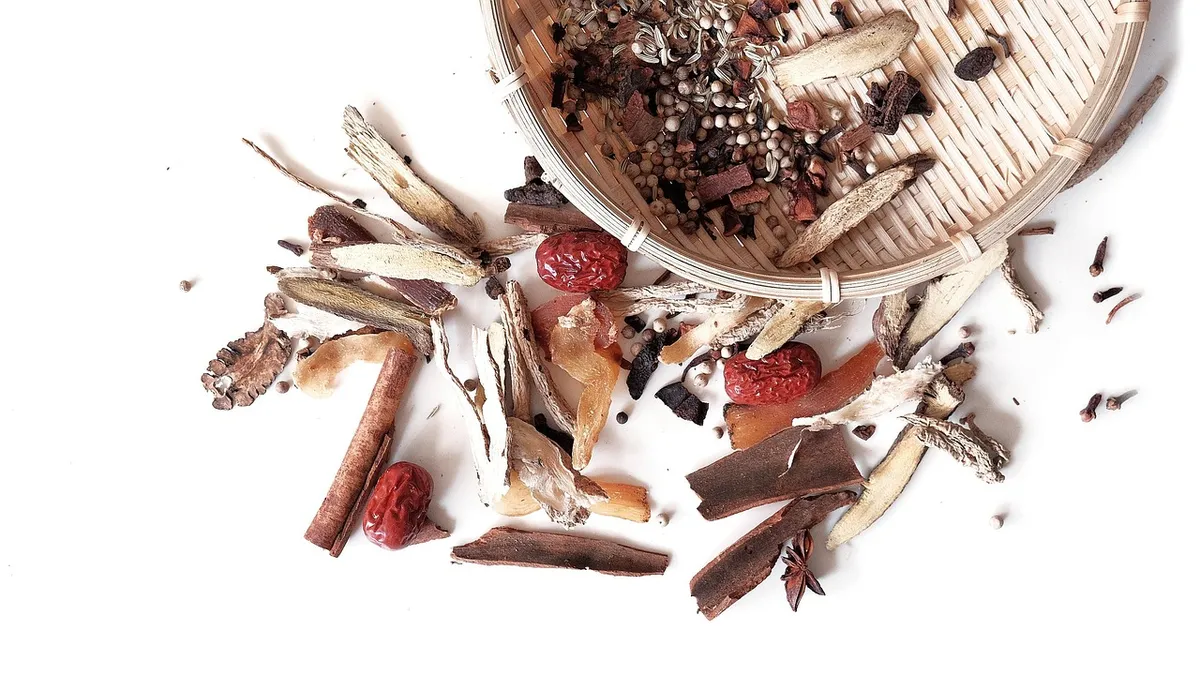
For instance, few studies are available on the safety of herbs for pregnant women, and one study found that use of complementary and alternative medicines is associated with a 30% lower ongoing pregnancy and live birth rate during fertility treatment.
Clinical trials of traditional formulas must account for these specific vulnerabilities. Because the research is often limited, users must be particularly careful during sensitive health periods.
How do we compare traditional and modern efficacy?
A scientist compares a plant extract to a synthetic pill under a microscope to find commonalities. Understanding the synergy between ancient and modern medicine requires looking at both historical data and modern clinical results.
| Aspect | Historical Context | Modern Investigation |
|---|---|---|
| Primary Use | Traditional primary health care | Clinical trials and supplement analysis |
| Risk Factor | Natural biological interactions | Identified pharmaceutical additives |
The comparison shows that while traditional methods are deeply rooted in culture, they face modern scrutiny regarding purity and standardized dosing.
How can one safely navigate herbal supplements?
A person sits at a kitchen table, carefully measuring out a dried herb for a homemade remedy. To manage the transition between old and new medicine, certain steps can be taken to ensure better control over the substances being used.
- Verify the source and purity of the botanical material to ensure it matches the intended use. 2. Check for any undisclosed additives by consulting reliable laboratory reports or third-party testers. 3. Consult with a healthcare professional to discuss how specific herbs might interact with existing health conditions or medications.
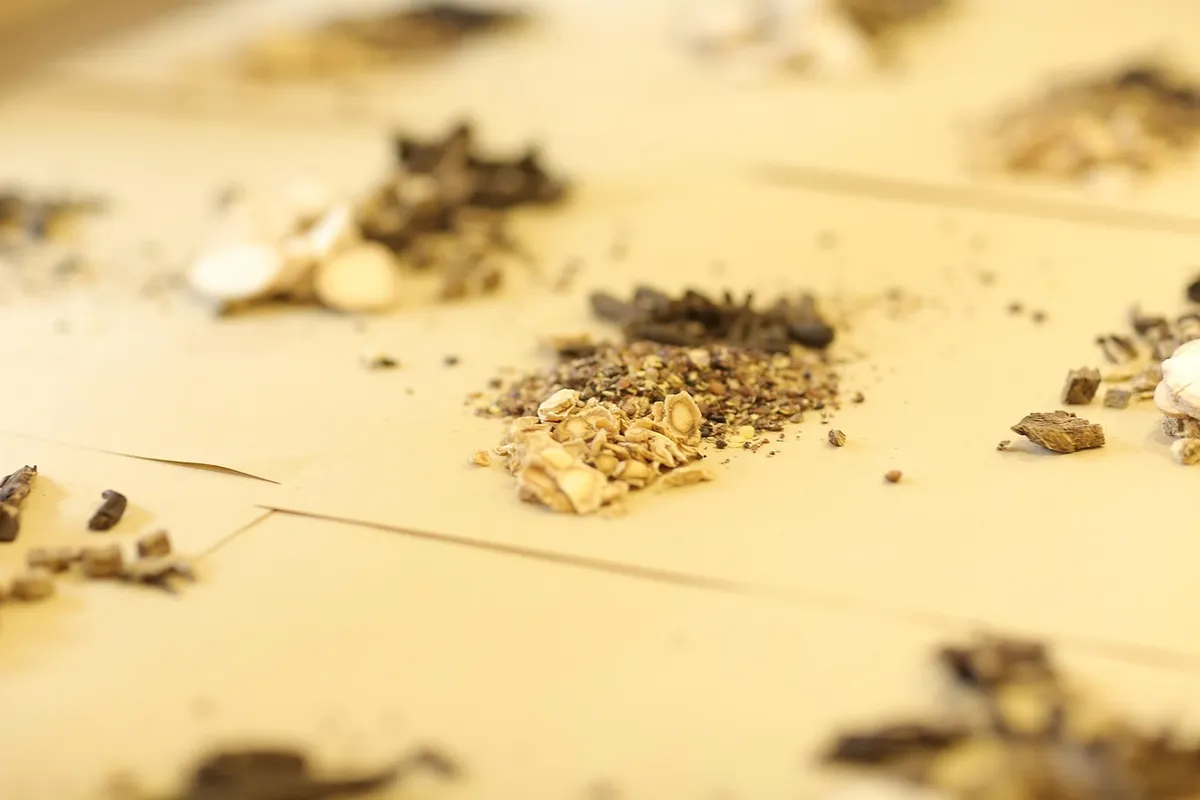
Always perform a final check to see if the product contains any ingredients that were not listed on the label. Using these steps can help manage the intersection of traditional treatments today and modern medical standards.
Wikipedia: Herbal medicine (full)
- How is traditional medicine utilized globally?
- What are the risks of unregulated herbal products?
- How did ancient cultures use insects for health?
The subject here is Traditional remedies modern use.
The same subject is also called Bridging old and new medicine.
Integrating herbalism with modern care
Related
- Soymilk protein 2.47g guide for daily energy needs
- How is traditional medicine natural products used globally?
Disclaimer: This article is general information, not medical advice. Consult a qualified healthcare professional before taking any supplement or medication.
Comments 0