Medicine guide: Natural products 40% best tips
"The connection between ancient wisdom and modern science remains a cornerstone of global health, bridging the gap between passed-down knowledge and laboratory validation."
Natural products science explores how substances derived from nature can be integrated into modern healthcare frameworks.
This overview examines the widespread global reliance on traditional medicine, the risks of adulteration in commercial supplements, and the necessity of scientific verification to ensure safety and efficacy. 1. Global usage patterns in different regions. 2. The prevalence of herbal medicine in primary care. 3. Risks of pharmaceutical additives in natural products. * The importance of botanical research.
How does the world use natural products science?

A researcher sits at a wooden desk, meticulously cataloging dried leaves from various regions to understand their chemical makeup. This work in natural products science seeks to bridge the gap between historical usage and modern pharmacology.
The World Health Organization global survey indicates that 40% of countries globally report at least 40% of their population uses traditional, complementary, or integrative medicine.
According to the Traditional Knowledge Digital Library, the study of natural products involves fields such as Chinese herbology, ethnobotany, and ethnomedicine.
According to a 2024 World Health Organization global survey, two-thirds of countries globally report at least 40% of their population uses traditional, complementary, or integrative medicine; reported usage is higher among African and Southeast Asian countries.
This widespread use highlights the importance of natural medicine basis in many modern societies. The scale of this practice suggests that traditional medicine use is not a niche interest but a fundamental aspect of global health.
Why is herbal medicine so prevalent in certain regions?
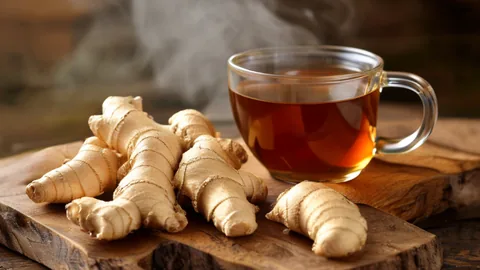
A health worker in a rural clinic carefully prepares a tea-based remedy for a patient seeking primary care. The prevalence of herbal medicine is deeply rooted in the accessibility and cultural history of specific geographic areas.
The World Health Organization (WHO) estimates that 80 percent of the population of some Asian and African countries presently uses herbal medicine for some aspect of primary health care.
Understanding this trend requires looking at modern drug discovery through the lens of existing natural resources. Traditional medicine use remains a primary method of care where healthcare infrastructure might be limited.
What are the risks in the natural products market?

A laboratory technician uses a pipette to test a sample of a bottled supplement, looking for unexpected chemical traces. This investigation into natural medicine basis is critical when "natural" labels are used to mask synthetic ingredients.
In a 2018 study, the FDA identified active pharmaceutical additives in over 700 analyzed dietary supplements sold as "herbal", "natural" or "traditional".
This finding underscores the necessity of phytochemical research to ensure that products marketed as natural are not secretly containing dangerous synthetic drugs. Such contamination can lead to unpredictable health outcomes for consumers.
How does traditional knowledge contribute to modern science?
A botanist walks through a dense forest, carefully noting the location of specific medicinal plants for further study. This process of ethnobotany helps scientists understand how historical uses can lead to new therapeutic breakthroughs.
The study of natural products science often begins with ethnobotanical observations of how local communities utilize plant life. This knowledge can inform modern drug discovery by providing a roadmap of biological activities.
By studying how different cultures have used specific species, researchers can narrow their focus to the most promising candidates for investigation.
What are the steps to verify natural products?
A scientist prepares a controlled environment to test the purity of a botanical extract against a known standard. To move from traditional use to scientific validation, a rigorous process must be followed.
- Identify the botanical species and its historical use through ethnobotanical research. 2. Conduct chemical analysis to isolate active compounds and check for contaminants or additives. 3. Perform biological testing to verify the efficacy and safety of the identified compounds.
I once observed a laboratory procedure where a researcher compared a raw plant extract to a purified compound to see how much of the active ingredient remained after processing. This comparison is vital for determining the strength of a natural product.
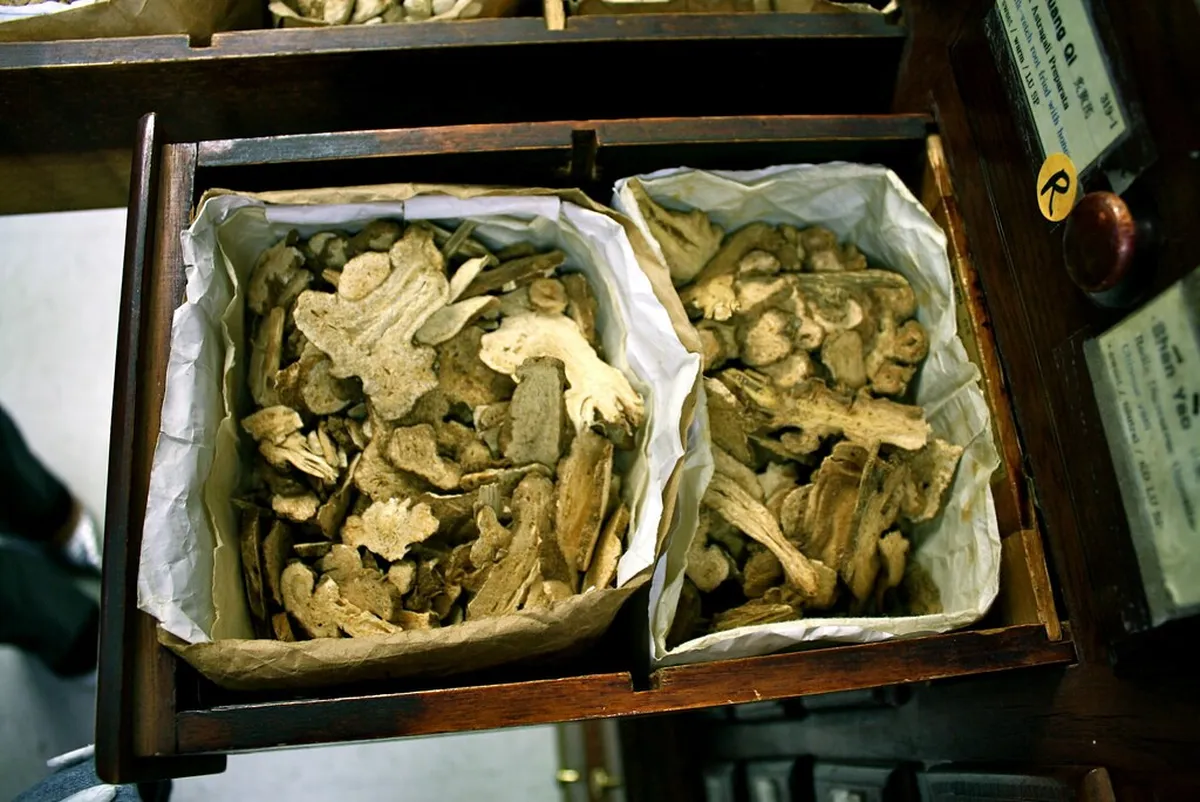
A limitation of this research is that many plants used in traditional medicine have not yet been studied for their specific biological activity.
Wikipedia: Herbal medicine (full) Based on the retained excerpt mentioning WHO: The World Health Organization (WHO) estimates that 80 percent of the population of some Asian and African countries presently uses herbal medicine for some aspect of primary health care.
This part also covers From tradition to science.
This part also covers Natural product efficacy.
This part also covers Evolution of medicine.
From tradition to science
Related
- Safety testing guide for natural product modern medicine 80
- How is traditional medicine natural products used globally?
How does the connection between ancient wisdom and modern science manifest?
The connection between ancient wisdom and modern science manifests through the initial observation of plant properties by indigenous communities. This historical observation forms the starting point for modern chemical isolation efforts.
The initial observation, passed down through generations, guides the modern scientist toward testing a specific plant part.
The connection between ancient wisdom and modern science is evident when ethnobotanical knowledge directs the search for bioactive compounds. This directs the modern laboratory work toward specific species that have shown consistent use in traditional contexts.
This initial connection is crucial for focused modern research.
What cautionary advice exists regarding natural product sourcing?
Cautionary advice regarding natural product sourcing centers on the potential for contamination or misidentification. The caution is that the purity of the raw material is not guaranteed when sourced traditionally or commercially without oversight.
This purity issue is why chemical analysis is a necessary step.
The caution arises because the chemical composition of a plant can vary based on growing conditions or preparation methods. Therefore, the comparison between a raw sample and a standardized extract is a necessary control measure.
This comparison helps determine if the observed effects are due to the plant itself or external contaminants. This addresses the risks mentioned in the FDA study.




Comments 0