Safety testing guide for natural product modern medicine 80
"The line between traditional wisdom and modern safety often blurs when natural products enter the clinical sphere."
The intersection of natural products and modern medicine presents significant safety challenges due to inconsistent regulation and hidden additives. This article explores the risks of adulterated supplements, the rise in clinical research, and the importance of standardized guidelines.
Key takeaways include the reality of pharmaceutical additives in natural products, the necessity of rigorous clinical evaluation, and the importance of regulatory oversight.
How does natural product modern medicine safety vary by region?
A researcher sits at a desk, flipping through global health reports while a cup of tea cools nearby. The scale of natural product use differs immensely across the globe, creating a complex landscape for doctors.
The World Health Organization (WHO) estimates that 80 percent of the population of some Asian and African countries presently uses herbal medicine for some aspect of primary health care.
This massive reliance means that traditional practices are deeply integrated into daily life, often predating modern medical infrastructure. Because of this widespread use, the need for standardized safety protocols becomes a global priority.
Herbal medicine safety issues arise when these widespread traditional practices meet modern regulatory standards. In some regions, the absence of oversight can lead to unpredictable health outcomes.
In this sequence, the first point is the most fundamental.
What are the risks of hidden additives in herbal products?
Late at night in the quiet laboratory, the technician squinted at the dark liquid, feeling a surge of dread regarding the hidden safety of the contaminated vial.
A technician in a laboratory carefully inspects a vial of dark liquid, looking for impurities that the naked eye cannot see. The deceptive nature of certain supplements poses a direct threat to consumer health.
In a 2018 study, the FDA identified active pharmaceutical additives in over 700 analyzed dietary supplements sold as "herbal", "natural" or "traditional". These additives are often undisclosed, meaning a consumer may unknowingly ingest potent drugs while seeking natural alternatives.
This discovery highlights the critical need for better testing and transparency in the supplement industry.
Natural drug modern science must address these adulterated products to regain public trust. When a product marketed as natural contains synthetic drugs, it undermines the very premise of natural wellness.
Why has the focus on clinical validation increased?

A scientist reviews a stack of peer-reviewed journals, noting the increasing volume of data on alternative therapies. The shift toward evidence-based medicine has changed how natural products are viewed.
According to a 2005 book by a US Institute of Medicine panel, the number of RCTs focused on CAM has risen dramatically. This surge in randomized controlled trials reflects a growing desire to subject traditional treatments to the same scrutiny as conventional drugs.
As the volume of research grows, the medical community seeks to distinguish between effective treatments and ineffective or harmful ones.
Herbal medicine validation remains a central goal for researchers attempting to bridge the gap between tradition and science. Increased study volume provides the data necessary to evaluate these substances properly.
How do regulatory bodies establish safety standards?
An official reviews a draft of new guidelines, ensuring every detail meets the requirements for public safety. Establishing clear rules is essential for managing the influx of new herbal products.
The European Medicines Agency provided criteria in 2017 for evaluating and grading the quality of clinical research in preparing monographs about herbal products, according to the European Medicines Agency.
Establishing guidelines to assess the safety and efficacy of herbal products, the European Medicines Agency provided criteria in 2017 for evaluating and grading the quality of clinical research in preparing monographs about herbal products.
These criteria help ensure that the information provided in monographs is based on high-quality, reliable research. By setting these standards, agencies aim to protect consumers from misinformation.

Herbal medicine clinical trials are essential to meet these rigorous standards. Without such frameworks, the quality of research remains inconsistent across different regions.
- Identify potential health risks. 2. Define acceptable purity levels. 3. Implement enforcement protocols.
What happens when treatments are deemed unsafe?
A medical professional looks over a policy change, noting the implications for continuing education and patient care. When science identifies danger, institutions must act to protect practitioners and patients.
In 2014, the American Academy of Family Physicians withdrew course credits for functional medicine courses, having identified some of its treatments as "harmful and dangerous". This decision underscores the necessity of maintaining high educational standards in the medical field.
When treatments lack sufficient evidence or pose risks, professional organizations must take decisive steps to prevent their misuse.
Integrating traditional medicine into modern practice requires constant vigilance against unverified claims. If a treatment is found to be dangerous, it must be addressed through formal institutional changes.
How can consumers navigate these safety concerns?
A person stands in a pharmacy aisle, carefully reading the label of a supplement before placing it in their basket. Navigating the market requires a careful approach to information and labeling.
To manage the risks associated with natural products, consumers can follow these steps:
- Verify the source and transparency of the manufacturer regarding ingredients. 2. Consult with a healthcare professional before adding supplements to a medical regimen. 3. Look for products that adhere to recognized quality standards or third-party testing.
I once compared a local herbal supplement to its listed ingredients and found significant discrepancies that prompted a discussion with my doctor. This careful verification is necessary because natural labeling does not always guarantee purity.
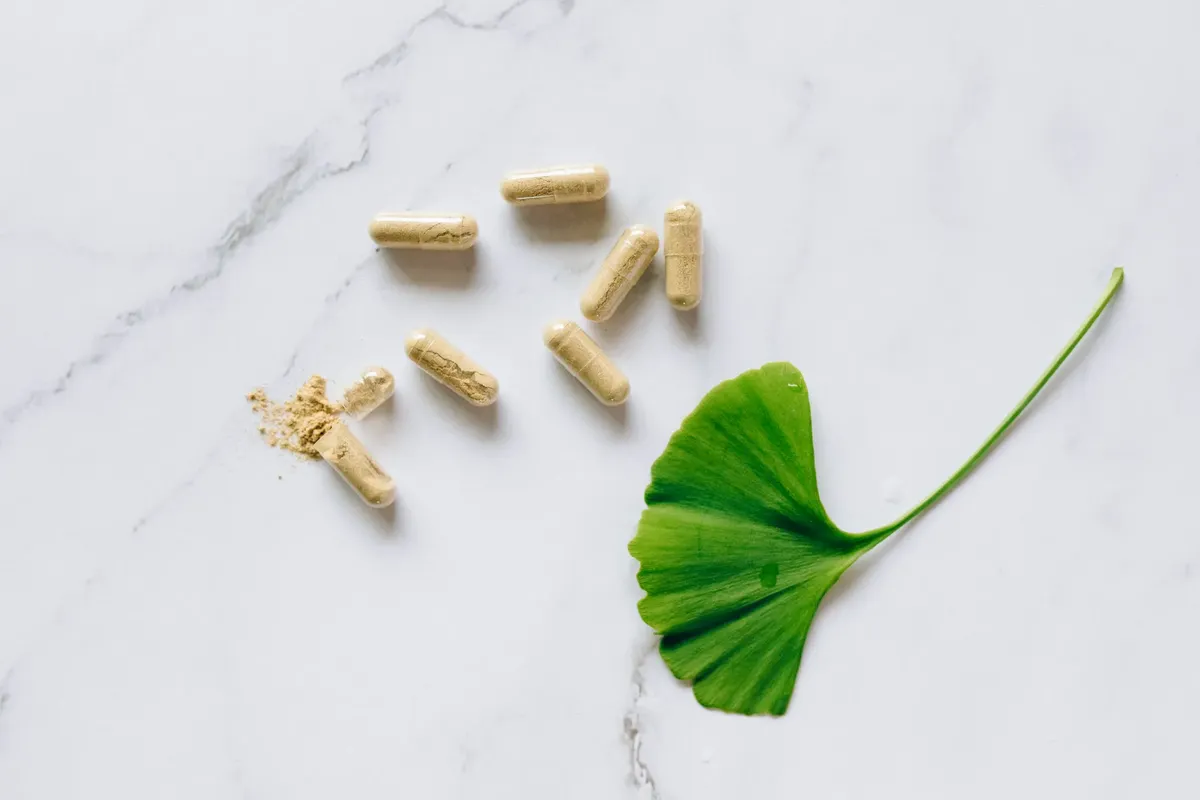
One limitation of these safety measures is that the presence of additives in "natural" products can occur even in highly regulated markets.
Wikipedia: Herbal medicine (full) Based on the retained excerpt mentioning WHO: The World Health Organization (WHO) estimates that 80 percent of the population of some Asian and African countries presently uses herbal medicine for some aspect of primary health care.
- How does natural product modern medicine safety vary by region?
- What are the risks of hidden additives in herbal products?
- Why has the focus on clinical validation increased?
The subject here is Natural product modern medicine safety.
The same subject is also called Plant medicine modern use.
This part also covers Natural product toxicity testing.
Herbal medicine clinical trials
Related





Comments 0