Herbal medicine historical use: How to best use tips
"The history of healing is written in the soil, where ancient civilizations first discovered the potency of the plant kingdom."
The historical use of natural products spans centuries of human survival and medical evolution. This guide examines how traditional healing records reflect the diverse ways cultures have interacted with botanical resources through time.
We will look at how these practices are categorized today and address the risks of unverified additives in the modern market. 1. Understanding the global scale of current herbal usage 2. How modern agencies classify alternative systems 3. The risks of pharmaceutical additives in natural products * Comparing the evidence for conventional versus alternative treatments
How do we define herbal medicine today?
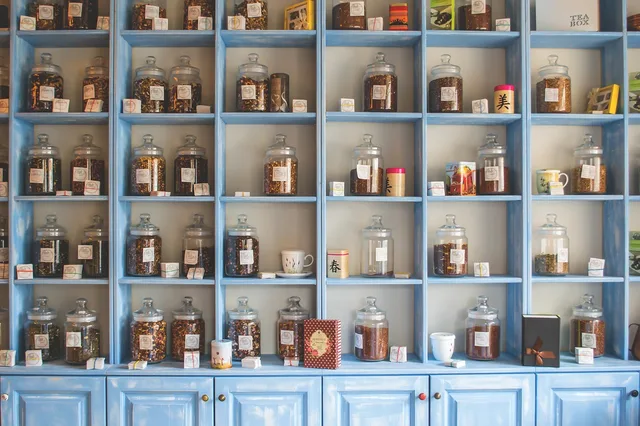
A researcher sits in a quiet library, turning the heavy pages of a botanical encyclopedia to trace the lineage of a specific root. This process of documenting natural remedy value requires careful scrutiny of how ancient texts describe specific flora.
The National Center for Complementary and Integrative Health (NCCIH) provides a framework for understanding these diverse practices.
According to the NCCIH, herbal medicine is a group of diverse medical and health care systems, practices, and products that are not generally considered part of conventional medicine. This distinction helps researchers separate traditional healing records from standard clinical protocols.
What is the scale of global plant use in ancient and modern times?
In a sun-drenched field, an elder lifts a heavy basket of herbal leaves as the warm breeze brushes against their skin.
An elder in a rural village carefully dries leaves under the warm sun to prepare a traditional tonic. This timeless ritual reflects a deep connection to the land that has persisted for generations across many continents.
According to the Traditional Knowledge Digital Library, herbalism involves Chinese herbology, ethnobotany, ethnomedicine, and medicinal fungi.
The scope of this practice remains immense in the contemporary world. According to the World Health Organization (WHO), 80 percent of the population of some Asian and African countries presently uses herbal medicine for some aspect of primary health care.
This widespread reliance highlights the significant historical basis for medicine found in ethnobotany and traditional knowledge.
How does the NCCIH categorize these diverse systems?
A student uses a digital tablet to sort various medical practices into distinct organizational folders. This systematic approach is necessary to manage the vast complexity of traditional medicine and ethnomedicine.
The NCCIH has created a classification system for branches of complementary and alternative medicine that divides them into five major groups. This structure allows for better study of how these practices function alongside modern healthcare.
It helps in documenting how plant use in herbalism evolved from ancient ethnomedicine into organized systems.
Are there risks when using natural products?
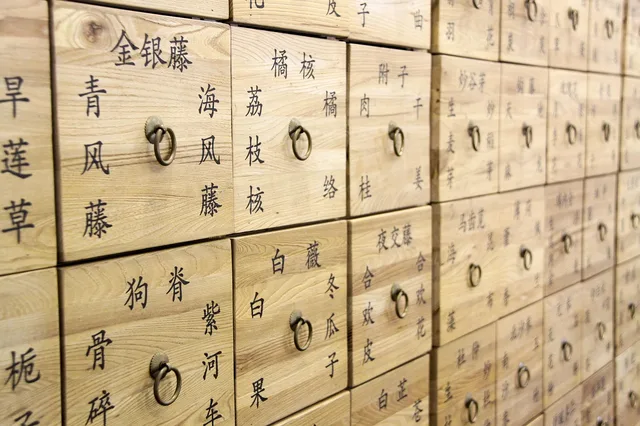
A laboratory technician carefully examines a sample of a supplement under a microscope to detect hidden compounds. This scrutiny is vital because not all products labeled as natural are purely botanical.
The presence of undeclared substances is a documented concern in the modern supplement market. In a 2018 study, the FDA identified active pharmaceutical additives in over 700 analyzed dietary supplements sold as "herbal", "natural" or "traditional".
This finding underscores the necessity for rigorous testing to ensure that what is on the label matches the contents of the container.
How does evidence compare between different treatment types?
A scientist reviews a massive spreadsheet of clinical data to determine if a specific botanical extract shows efficacy. This rigorous comparison is essential for determining the actual benefits and harms of different medical approaches.
When examining the efficacy of these methods, researchers find varying levels of scientific certainty.
One study of complementary and alternative medicine found that 38.4% concluded positive effect or possibly positive (12.4%), 4.8% concluded no effect, 0.7% concluded harmful effect, and 56.6% concluded insufficient evidence.
In comparison, an assessment of conventional treatments found that 41.3% concluded positive or possibly positive effect, 20% concluded no effect, 8.1% concluded net harmful effects, and 21.3% concluded insufficient evidence.
| Treatment Type | Positive/Possibly Positive Effect | No Effect | Harmful Effect | Insufficient Evidence |
|---|---|---|---|---|
| Complementary/Alternative | 38.4% | 4.8% | 0.7% | 56.6% |
| Conventional | 41.3% | 20% | 8.1% | 21.3% |
I observed that the data for alternative treatments often shows a higher rate of insufficient evidence compared to conventional assessments.
How can one safely navigate traditional medicine?
A person checks the ingredient list on a supplement bottle before adding it to their shopping basket. Taking cautious steps ensures that botanical products are used within safe and established parameters.
If you are looking to integrate these practices, follow these steps: 1. Research the specific plant species to ensure it aligns with your health goals. 2. Verify that the product does not contain hidden pharmaceutical additives. 3.
Consult a professional to ensure the botanical does not interfere with existing treatments.

A final check involves ensuring the product is not part of a group with insufficient evidence regarding its safety or efficacy. It is important to note that these observations are limited to the specific conditions mentioned in the analyzed studies.
Wikipedia: Herbal medicine (full) Based on the retained excerpt mentioning WHO: The World Health Organization (WHO) estimates that 80 percent of the population of some Asian and African countries presently uses herbal medicine for some aspect of primary health care.
Herbal medicine historical use
The subject here is Herbal medicine historical use.
The same subject is also called Natural product old use.
The same subject is also called Plant use in ancient texts.
The same subject is also called Medicinal plant history.
This part also covers Evidence of plant drug use.
Documenting natural remedy value
Related
- Herbal medicine guide: 80 tips for natural remedies
- Herbal guide: Why 40% ancient texts suggest healing
Disclaimer: This article is general information, not medical advice. Consult a qualified healthcare professional before taking any supplement or medication.


Comments 0