Curcumin Research: 1995 Study Explores Joint Pain Relief
"Could the golden hue of turmeric serve as a shield against joint inflammation?"
Curcumin, the primary active compound in turmeric, may help reduce pain scores, improve joint function, and decrease stiffness.
However, simply consuming turmeric powder often yields insufficient results due to low absorption rates, making concentrated extracts and specific dietary pairings essential for effectiveness.
* Curcumin may decrease pain (VAS) and improve joint function and stiffness (WOMAC scores). * Standard turmeric powder has a low concentration of curcumin, so extracts are often more practical. * Pairing turmeric with black pepper or healthy fats can improve absorption. * It is vital to choose high-quality products to avoid contaminants like lead.
Why are people turning to turmeric for joint pain?
A rainy afternoon settles over the neighborhood, and you feel a dull ache in your knees as you slowly stand up from the sofa. That heavy sensation when climbing stairs often disrupts the rhythm of a normal day.
This search for relief is backed by significant institutional interest; according to Wikipedia, between 1995 and 2017, the US government funded US$150 million in biomedical research into curcumin through the National Center for Complementary and Integrative Health.
Turmeric is a perennial, rhizomatous, herbaceous plant native to the Indian subcontinent and Southeast Asia. It thrives in specific environments, requiring temperatures between 68 and 86 °F and high annual rainfall.
In a garden setting, the plant's simple leaf blades are quite large, usually measuring 30 to 45 inches long, and can rarely reach up to 7 feet 7 inches.
The real value lies in the rhizome, which contains curcumin. However, the turmeric powder found in most kitchen spice racks tells a different story. Turmeric powder is composed of approximately 67% carbohydrates, 12% water, 9% protein, and 3% fat [T10].
Most importantly, the curcuminoid content in turmeric powder typically ranges from only 1% to 6% [T10].
When looking closer at specific concentrations, the average curcumin content in assayed commercial samples of turmeric powder is 3.14% by weight [T11]. In contrast, standard curry powder contains much less, averaging only 0.29% [T11].
Because of this, if the goal is supporting joint health, a concentrated extract is often a more logical choice than culinary powder.
Does it actually reduce pain?
You sit at the kitchen table with a warm mug of tea, noticing the slight stiffness in your finger joints as you grip the handle. Even after taking standard over-the-counter options, the discomfort often returns, leaving you wondering if natural alternatives offer anything more.
The data suggests there is potential here.
According to Bioscience reports (2021), compared with a placebo, *Curcuma longa* extract and curcumin (C.) can decrease the visual analog scale (VAS) and The Western Ontario and McMaster Universities (WOMAC) score-pain, the WOMAC score-function, and the WOMAC score-stiffness.
While the investment in this research is massive—noting the US$150 million mentioned previously—it is important to manage expectations. Not all joint supplements perform equally.
For instance, chondroitin demonstrated statistically significant, but not clinically important, structural improvement (effect size -0.30, -0.42 to -0.17). This highlights the difference between a mathematical change in a study and a meaningful improvement in a person's daily quality of life.
How to maximize absorption
You scoop a small amount of bright yellow turmeric powder into a spoon, noting its bitter scent and the way the fine dust clings to the wooden surface.
Curcumin has a major drawback: it is not easily absorbed by the human body. It is large and does not dissolve well in water. To overcome this, researchers and nutritionists suggest specific combinations to help the body utilize the compound.
| Combination Component | Expected Benefit | Primary Characteristic |
|---|---|---|
| Black Pepper (Piperine) | Maximizes absorption | Slows curcumin metabolism to increase blood concentration |
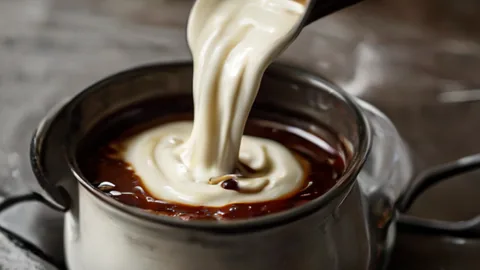
| Healthy Fats (Oils/Dairy) | Improves solubility | Assists the absorption of fat-soluble curcumin |
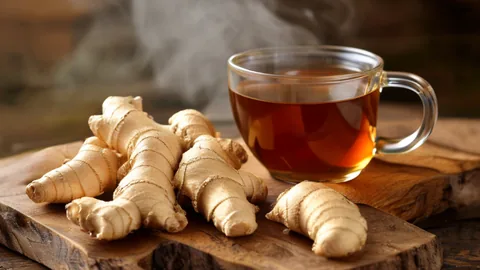
| Ginger | Synergistic relief | Traditionally used alongside turmeric for inflammation |
To use turmeric effectively, consider this step-by-step approach:
- Select an Extract: Opt for a supplement that specifies a high curcuminoid percentage rather than plain culinary powder. 2. Eat with Fat: Take your supplement with a meal containing healthy fats, such as avocado or olive oil. 3. Include Black Pepper: Ensure your diet includes piperine, the active component in black pepper, to boost bioavailability. 4. Maintain Consistency: Focus on long-term patterns rather than expecting immediate changes after a single dose.
What about side effects and impurities?
You rinse your hands under the faucet, trying to scrub away the stubborn yellow stain left by the turmeric powder. It seems to permeate everything it touches.
Natural does not always mean "risk-free." One of the most critical concerns with turmeric is the potential for contamination during manufacturing.
In one documented case in Bangladesh, lead chromate—a bright yellow chemical compound—was found as an adulterant of turmeric, with contamination levels up to 500 times higher than the national limit [T12]. This makes choosing a reputable, tested brand essential.
Furthermore, because curcumin may influence blood clotting, anyone scheduled for surgery or currently taking anticoagulant medications should consult a medical professional.
- Check ingredient labels for purity and third-party testing. 2. Monitor for digestive discomfort if you increase your intake. 3. Consult a doctor if you are managing chronic conditions or taking prescription drugs.
Understanding the turmeric plant
While walking through a botanical garden, you stop to look at a small, vibrant flower tucked near the base of a large leaf. You lean in to observe the intricate details of its structure.
The turmeric flower is quite complex. It features bright-yellow petals that are fused into a corolla tube up to 1.25 inches long. The three corolla lobes are triangular, measuring between 0.37 and 0.62 inches in length, with soft-spiny upper ends.
At the center of the flower, the labellum is yellowish with a yellow ribbon, measuring between 0.5 and 0.75 inches long. The base of the flower is supported by three white sepals that are 0.37 to 0.5 inches long and covered in fluffy hairs.
Even the inflorescence stem, which holds the many flowers, reaches a length of 4.5 to 8 inches. Seeing this level of biological complexity reminds us that turmeric is a sophisticated organism, not just a kitchen ingredient.


Comments 0