Spices in Eastern Medicine: Guide to Aromatic Health
"The aroma of ground cardamom rising from a ceramic bowl often signals more than a meal; it evokes a history of healing used across generations."
Spices in Eastern Medicine often bridge the gap between culinary tradition and historical health practices. This guide explores how aromatic substances have served as foundational elements in various cultural health frameworks.
Key takeaways include the distinction between traditional and complementary medicine, the nutritional composition of common spices, and the historical context of these practices.
How do we define Spices in Eastern Medicine?
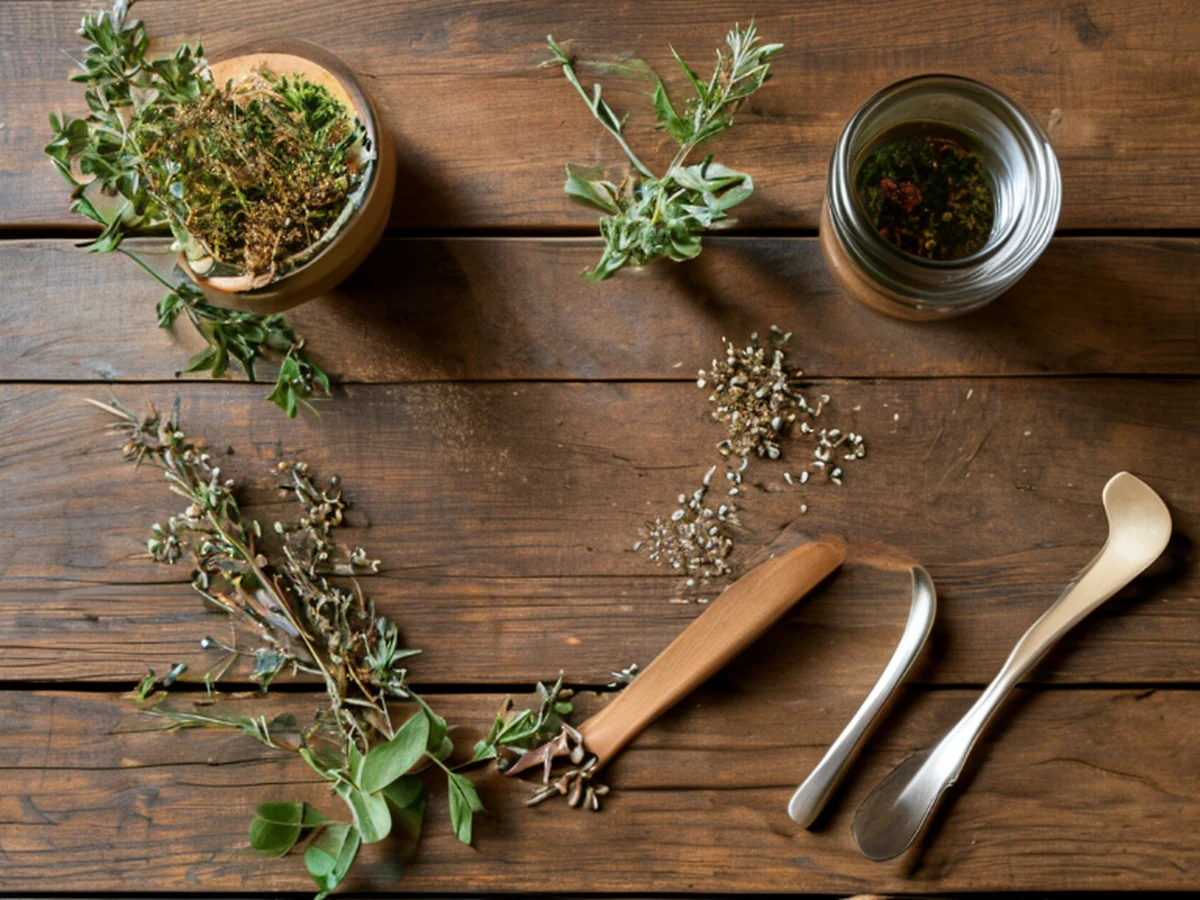
At sunset, she lifts the heavy lid of the wooden box in the quiet study to inhale the earthy scent of ancient spices.
An old wooden spice box sits on a table, its lid lifted to reveal colorful powders. Understanding these practices requires distinguishing between modern medical systems and traditional health frameworks.
This distinction is vital when discussing Spices in Eastern Medicine, as these substances are often deeply embedded in the domestic traditions of the regions where they are used.
The scope of these practices varies significantly by geography.
According to a 2024 World Health Organization global survey, two-thirds of countries globally report at least 40% of their population uses traditional, complementary, or integrative medicine; reported usage is higher among African and Southeast Asian countries.
These traditional uses often overlap with daily culinary habits.
In this sequence, the first definition is the most fundamental.
What are the nutritional profiles of common spices?
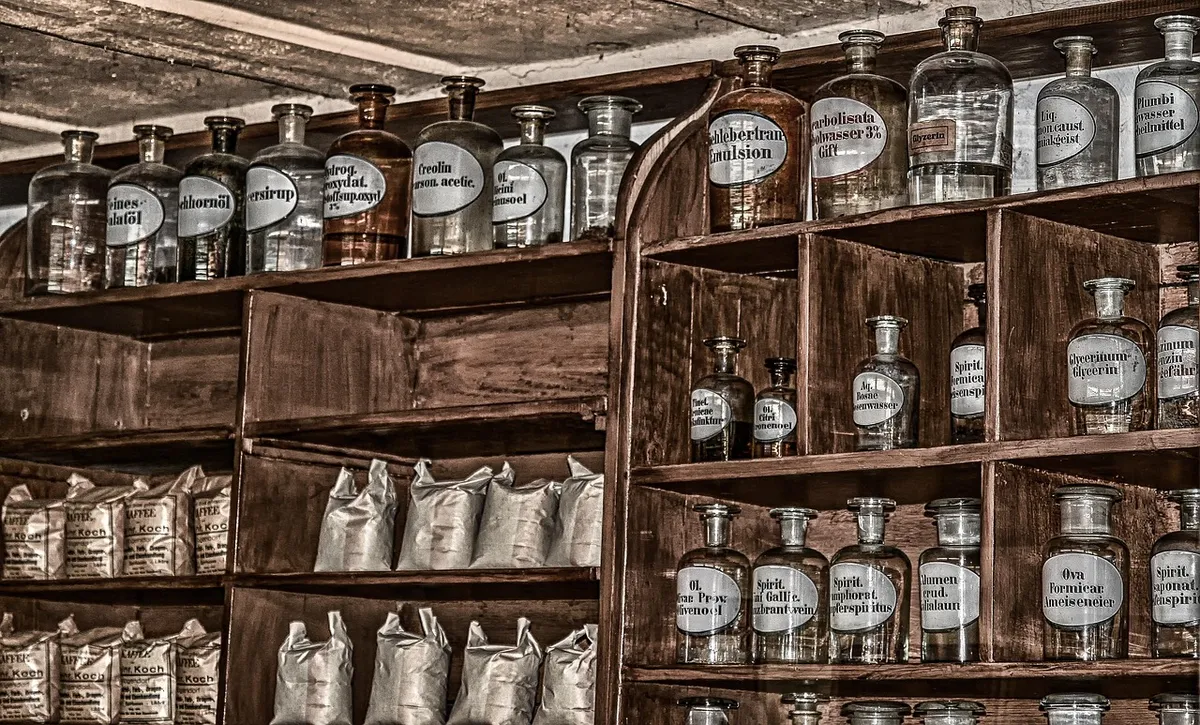
At dawn, she tilts a heavy jar in the kitchen to watch the fine spices pour into a ceramic bowl with a soft rustle.
A person carefully measures cardamom seeds on a digital scale. While historical uses vary, the chemical and nutritional makeup of these ingredients provides a concrete basis for their presence in daily diets.
Different spices offer different nutrient densities. For instance, the nutritional properties of cardamom are quite distinct from other spice blends.
| Spice Type | Iron (mg) | Magnesium (mg) |
|---|---|---|
| Spices, cardamom | 14mg | 229mg |
| Spices, pumpkin pie spice | 0mg (not listed) | 136mg |
In comparison, 100g of pumpkin pie spice contains 19.7mg of iron and 136mg of magnesium. I noticed that the magnesium levels in cardamom are significantly higher than those in the pumpkin pie blend.
How are herbal spice remedies applied?
A hand stirs a simmering pot of broth, releasing a fragrant steam. Traditional applications often involve specific preparation methods to extract various components.
Herbal spice remedies often involve infusion or decoction to utilize the aromatic oils. While modern science focuses on standardized extracts, traditional methods rely on the whole spice.
- Grinding whole seeds to release volatile oils. 2. Infusing spices into warm liquids like water or milk. 3. Incorporating dried powders into cooked meals.
A final check involves ensuring the spice is fresh to maintain its aromatic integrity.
- Select the appropriate spice based on its thermal properties.
- Prepare the spice through grinding or infusion.
- Incorporate the spice into a daily meal or tonic.
What is the history of aromatic medicinal uses?
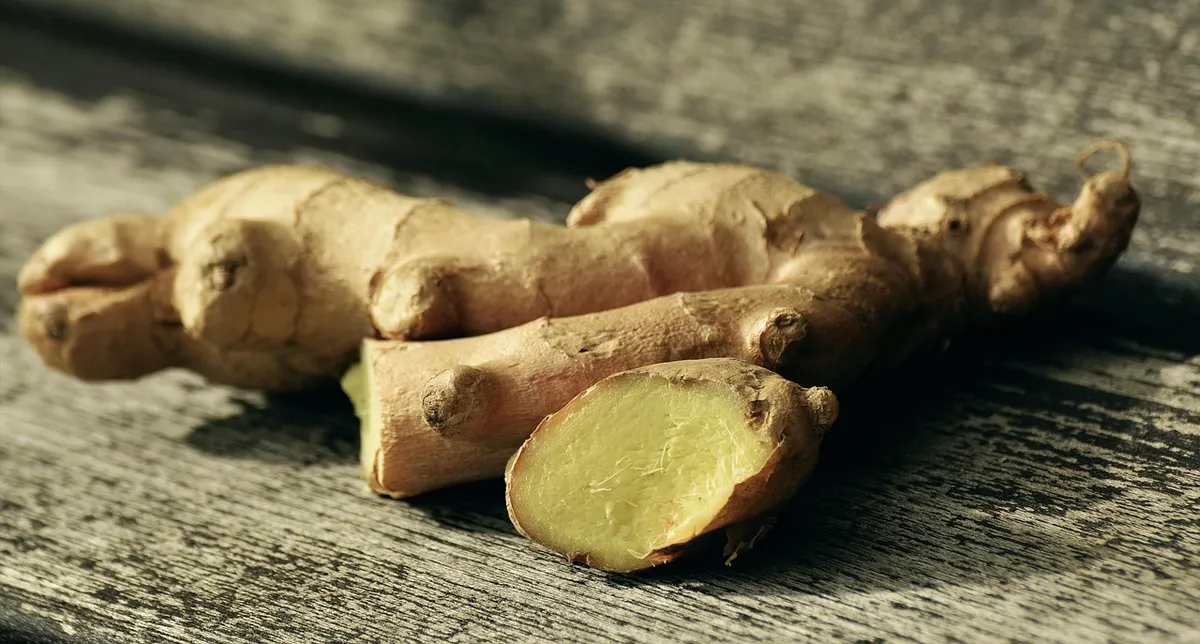
An ancient manuscript is turned carefully, its pages smelling of aged paper and dried herbs. The intersection of food and health has been a constant throughout human history.
Aromatic medicinal uses have been documented in various texts, reflecting how different cultures perceived the "warmth" or "cooling" properties of plants. These historical perspectives shaped how spices were traded and valued globally.
The transition from traditional use to modern study has seen a rise in clinical interest.
This shift reflects a growing attempt to quantify the effects of traditional practices.
How do we view traditional spice healing?
A traveler tastes a spoonful of a local spice blend, noting the sharp heat. Integrating these practices into a modern lifestyle requires an understanding of their roots and the risks involved.
Traditional spice healing is often passed down through oral tradition or family recipes. This makes it a personal, rather than institutional, form of care.
However, modern medical bodies sometimes caution against certain practices.
What are the limitations of spice health applications?
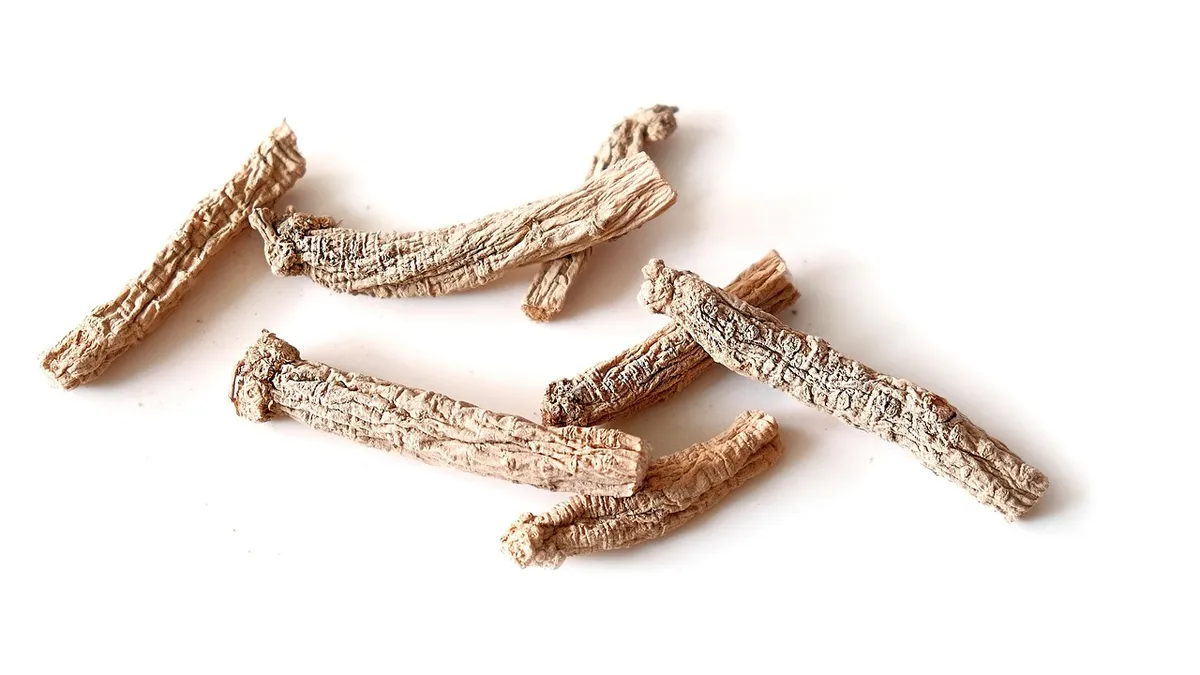
A researcher looks through a microscope at a sample of plant tissue. Evaluating the effectiveness of any substance requires acknowledging the boundaries of its application.
Spice health applications are often limited by the lack of standardization in dosage and the variability of raw materials. Unlike pharmaceutical-grade drugs, the concentration of active compounds in a spice can change based on soil quality or drying methods.
One limitation is that the efficacy of these substances can be highly dependent on the specific condition being addressed, and results are not guaranteed for all individuals.
This part also covers Ayurvedic spice treatments.
This part also covers Chinese herbal spice blends.
This part also covers Spices in ancient remedies.
Ayurvedic spice treatments
Related
- Nourishing Cakes: Aligning Recipes with Digestive Fire Needs
- Plant Extracts: 4 Rules Before You Begin Supplementation
How do ancient traditions utilize the aroma of ground spices?
The ancient manuscripts describe how the aroma of ground spices was used to treat specific conditions. These historical texts detail the procedure of mixing specific ground spices to address perceived imbalances. The comparison between the cooling properties of certain spices and the warming properties of others dictates the blend. The condition being addressed often relates to the body's internal balance, which the spices help restore.
What conditions necessitate caution when using ground spices?
Caution is necessary when the condition being addressed is complex or requires precise dosage. The variability of raw materials means that the concentration of active compounds in ground spices can fluctuate significantly. A caution exists that the efficacy of these substances is not guaranteed for all individuals, especially when the condition is severe.
How do the nutritional profiles of ground spices compare?
The nutritional profiles of ground spices vary greatly depending on the specific spice type. For instance, the magnesium levels in cardamom are significantly higher than those in the pumpkin pie blend, which is a key comparison. This difference in nutrient density suggests that the procedure of selecting a spice must align with the desired nutritional outcome.
Disclaimer: This article is general information, not medical advice. Consult a qualified healthcare professional before taking any supplement or medication.
Comments 0