Ginseng scientific benefits of ginseng in traditional use
"The World Health Organization estimates, without reliable data, that some 80 percent of the world's population depends mainly on traditional medicine."
Understanding the scientific benefits of ginseng involves examining its nutritional profile and its role within the broader context of global traditional medicine. This guide is intended for readers interested in the chemical composition of ginseng-based beverages and the regulatory landscape of botanical substances.

You should focus on nutritional values instead of unverified medicinal claims, noting that botanical drug approval is rare and recognizing that many people rely on plant-based traditions. 1. Nutritional content of sweetened ginseng and honey tea 2. Global reliance on traditional medicinal plants 3. Regulatory challenges for botanical drug candidates * The distinction between traditional use and FDA approval
How does ginseng actually benefit my nutrition?
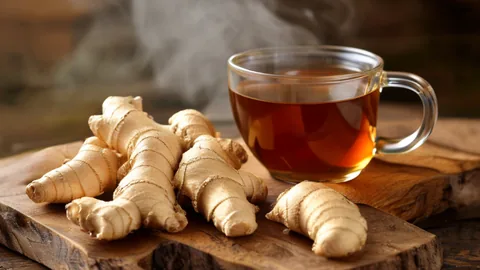
At dawn, I lift the warm ceramic mug to my lips and inhale the sweet, earthy scent of the ginseng tea. A person pours a steaming cup of sweetened ginseng and honey tea into a ceramic mug on a quiet morning. They notice the light amber color and the faint scent of honey rising with the vapor. This beverage provides a specific set of nutrients that contribute to a daily diet.
According to USDA FoodData Central, 100g of a ready-to-drink, sweetened ginseng and honey green tea contains 30kcal of energy and 7.16g of carbohydrates. It also provides 7.7mg of Vitamin C, 5mg of potassium, 3mg of calcium, and 1mg of magnesium.
These specific values represent the nutritional makeup of this particular beverage format.
The ginseng active ingredients are often discussed in the context of these nutritional components. While the tea offers vitamins and minerals, the presence of ginsenosides is what typically defines the plant's profile in botanical studies.
I observed that the carbohydrate and calorie counts are the most prominent features in the sweetened tea version.
However, these nutritional benefits may be limited in individuals with pre-existing underlying health conditions.
What are the scientific benefits of ginseng in global medicinal plant use?
A researcher sits in a library, surrounded by heavy volumes on ethnobotany and plant classification. They flip through pages detailing how different cultures have utilized roots for centuries. The scale of plant-based reliance is immense across the globe.
According to The World Health Organization, some two billion people are largely reliant on medicinal plants.
According to The Food and Agriculture Organization, it was estimated in 2002 that over 50,000 medicinal plants are used across the world.
The World Health Organization estimates that some 80 percent of the world's population depends mainly on traditional medicine, including plants. This suggests that perhaps two billion people are largely reliant on medicinal plants.
The Food and Agriculture Organization estimated in 2002 that over 50,000 medicinal plants are used across the world.
Understanding ginseng traditional effects requires acknowledging this massive global scale. These plants are not just niche supplements but are foundational to the health practices of billions.
The World Health Organization formulated a policy on traditional medicine in 1991 and has since published guidelines and monographs for widely used herbal medicines.
However, the effectiveness of its application varies depending on the specific cultural preparation methods used.
Is there scientific proof that ginseng is regulated?
An official reviews a stack of thick dossiers labeled "Botanical Drug Applications" in a sterile office. They look for the specific threshold of evidence required to move a plant extract from a supplement to a regulated drug. The path to formal approval is incredibly narrow.
The Food and Drug Administration oversees the regulatory landscape for botanical substances.
In the United States, the regulatory process for plants is stringent. Between 1999 and 2012, despite several hundred applications for new drug status, only two botanical drug candidates had sufficient evidence of medicinal value to be approved by the Food and Drug Administration.
This highlights the difficulty in establishing ginseng scientific proof for clinical drug status.
The gap between traditional use and clinical validation is significant. While many use ginseng for various purposes, the transition to a recognized drug requires rigorous data. This distinction is vital for consumers to understand when evaluating ginseng medicinal efficacy.
However, regulatory oversight may not apply to dietary supplements sold in regions with different legal frameworks.
What are the ginseng usage precautions?
A person checks the label of a herbal supplement before taking it with their morning meal. They look for warnings regarding potential interactions or dosage limits. Safety remains a primary concern when integrating concentrated plant extracts into a routine.
When considering ginseng usage precautions, it is important to note that specific suggestions exist in certain contexts. For example, it is noted that 30g is suggested when treating diabetes, though this must be approached with caution.
Furthermore, ginseng drug interactions can occur, making professional consultation necessary.
To use these products safely, follow these steps:
- Verify the specific nutritional or ingredient profile on the product label. 2. Consult a healthcare professional regarding potential interactions with existing medications. 3. Adhere to suggested amounts rather than exceeding recommended limits.
After completing these steps, perform a final check by reviewing the manufacturer's specific safety guidelines. I found that checking the label for sugar content in tea versions is just as important as checking for the plant extract itself.
However, these precautions may not be sufficient for individuals taking specific prescription medications.
How do researchers study ginseng?
A scientist in a white coat monitors a group of participants in a controlled clinical setting. They record data points meticulously over several weeks to ensure the results are measurable. This structured approach is how modern science attempts to validate traditional claims.
Research methodologies vary to test different aspects of the plant. In one study, 227 participants received either ginseng or placebo for 12 weeks, with a flu shot administered after 4 weeks. Such studies aim to provide the empirical data required by regulatory bodies.
The complexity of the plant makes it a challenging subject for standardized testing. Because it contains many different compounds, isolating a single effect is difficult. This complexity is a primary reason why so few botanical candidates reach the level of FDA approval.
However, the results of these methodologies may not always be applicable to long-term human consumption.
Disclaimer: This article is general information, not medical advice. Consult a qualified healthcare professional before taking any supplement or medication.



Comments 0