Herbal medicine guide: 80 tips for natural remedies
"The bridge between ancient wisdom and modern science remains one of the most complex landscapes in global health."
The global reliance on herbal medicine is a widespread reality, with significant portions of the population in specific regions turning to traditional practices for primary health care.
This article explores the scale of traditional medicine use, the scientific efforts to validate these practices, and the critical distinctions between traditional and complementary medicine.
Key takeaways: * Substantial populations in Africa and Southeast Asia utilize traditional and herbal medicine for primary health care. * Scientific scrutiny through randomized controlled trials has increased to evaluate the efficacy of complementary practices.
* Distinctions between traditional medicine and complementary medicine depend largely on local cultural integration and health system dominance.
How widespread is the use of herbal medicine?
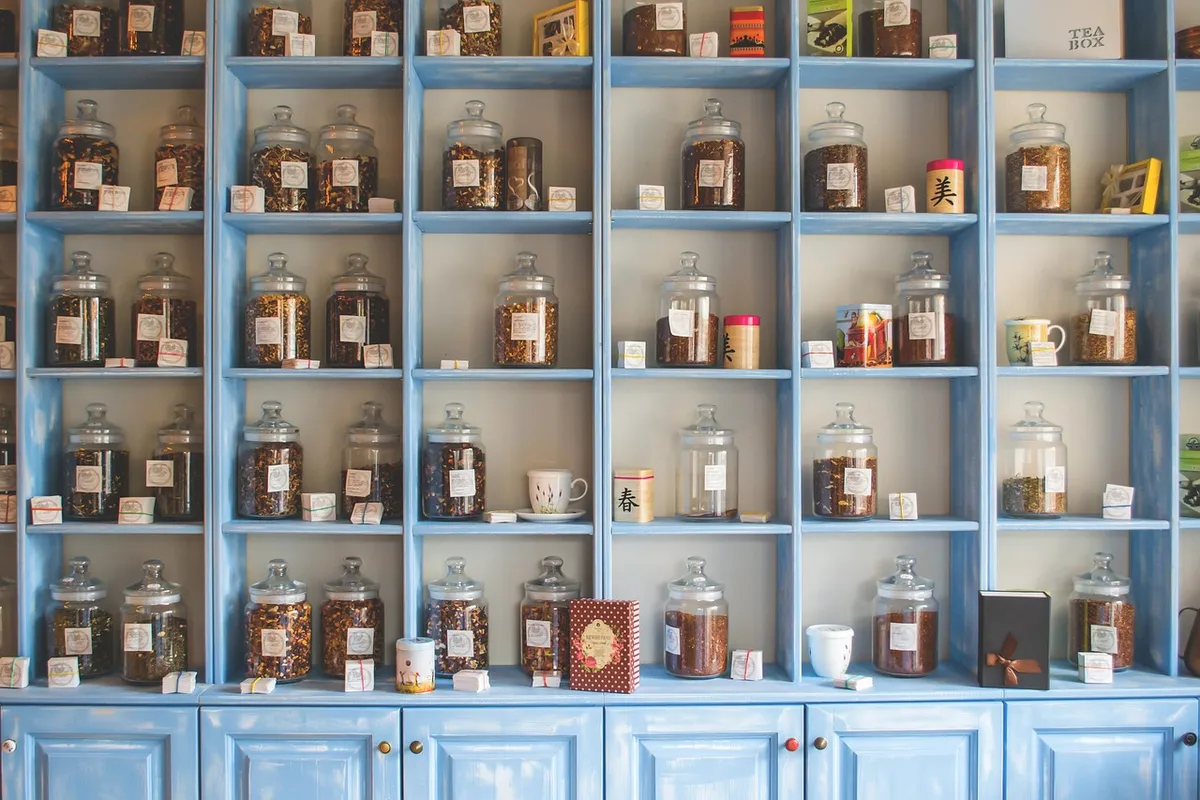
A researcher walks through a bustling marketplace in a Southeast Asian town, observing locals selecting roots and leaves for daily wellness. In many parts of the world, these natural products are the first line of defense for health needs.
The World Health Organization estimates that 80 percent of the population of some Asian and African countries presently uses herbal medicine for some aspect of primary health care.
According to a 2024 World Health Organization global survey, two-thirds of countries globally report at least 40% of their population uses traditional, complementary, or integrative medicine; reported usage is higher among African and Southeast Asian countries.
This widespread use reflects deep-seated cultural practices and accessibility.
The World Health Organization (WHO) estimates that 80 percent of the population of some Asian and African countries presently uses herbal medicine for some aspect of primary health care. This scale of usage demonstrates how deeply rooted these practices are in specific geographic regions.
Many people incorporate botanical remedies into their daily wellness routines globally.
What is the scientific basis for herbal medicine science proof?
A scientist sits in a quiet laboratory, peering through a microscope at plant extracts to find active compounds. The quest to find a natural product medical-class basis involves rigorous testing to see if ancient remedies hold up under modern scrutiny.
According to a 2005 book by a US Institute of Medicine panel, the number of RCTs focused on CAM has risen dramatically. This surge in research aims to provide a clearer picture of how these treatments interact with human biology.
The search for a traditional remedy evidence remains a priority for researchers trying to bridge the gap between old and new. This effort seeks to understand if an ancient text modern study can provide reliable data for clinical use.
Researchers examine bioactive compounds to understand how plant extracts interact with biological systems.
How is complementary medicine defined?
A student reads through a heavy textbook, comparing various definitions of health practices used around the world. Understanding the terminology is essential to distinguish between what is culturally traditional and what is considered an alternative.
In a definition published in 2000 by the World Health Organization (WHO), CAM was defined as a broad set of health care practices that are not part of that country's own tradition and are not integrated into the dominant health care system.
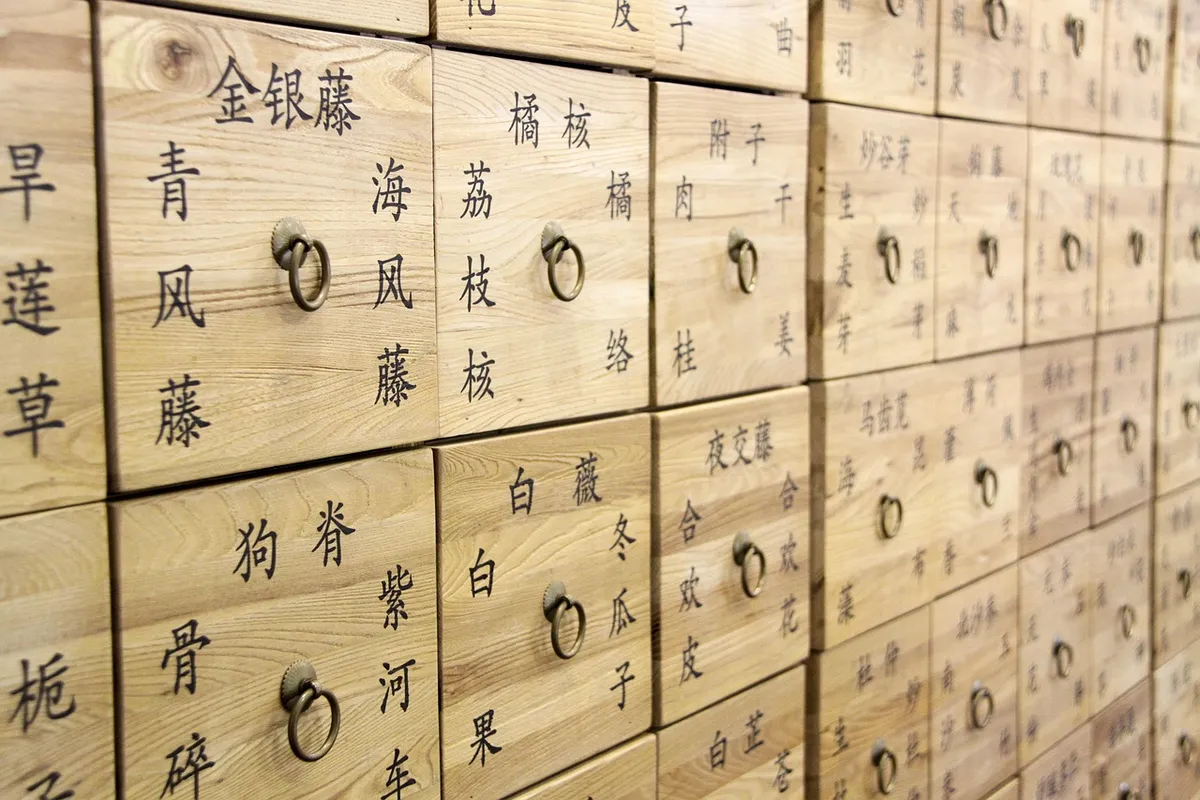
This definition helps categorize practices that exist outside the mainstream.
An herbal cure scientific link often depends on how a specific society views its own medical history. This can make the distinction between "traditional" and "complementary" vary significantly from one country to another.
Complementary medicine refers to non-mainstream practices used alongside conventional medical treatments.
What are the risks of non-traditional treatments?
A doctor reviews a patient's file, noting the potential complications of unverified treatments. While many natural products are used daily, some practices can lead to significant health risks if not properly vetted.
In 2014, the American Academy of Family Physicians withdrew course credits for functional medicine courses, having identified some of its treatments as "harmful and dangerous". This decision highlights the importance of maintaining safety standards in medical education.
The intersection of an herbal formula modern study and clinical safety is a constant point of debate. Professionals must remain vigilant to ensure that alternative practices do not replace necessary conventional care.
Potential risks include adverse reactions, interactions with prescription drugs, and delayed conventional treatment.
How do we evaluate clinical data?
A medical professional reviews a series of data tables, looking for patterns in patient outcomes. Evaluating the efficacy of various health systems requires a standardized approach to data and results.
The assessment of different treatments often leads to varying conclusions regarding their effectiveness. Researchers look at how much evidence is sufficient to support a specific practice in a clinical setting.
A plant medicine clinical data analysis must be thorough to ensure patient safety. Without clear evidence, the use of certain substances remains a subject of significant debate among health authorities.
- Identify the study design and methodology.
- Assess the quality of the control group.
- Analyze the significance of the outcomes.
How can individuals navigate these options?
A family discusses their health choices at a kitchen table, weighing the pros and cons of different wellness strategies. Navigating the world of health requires a balance of cultural respect and scientific awareness.
- Consult with qualified healthcare professionals before integrating new substances into a health regimen. 2. Verify the source and purity of any natural products being used. 3. Monitor for any adverse reactions or changes in health status.
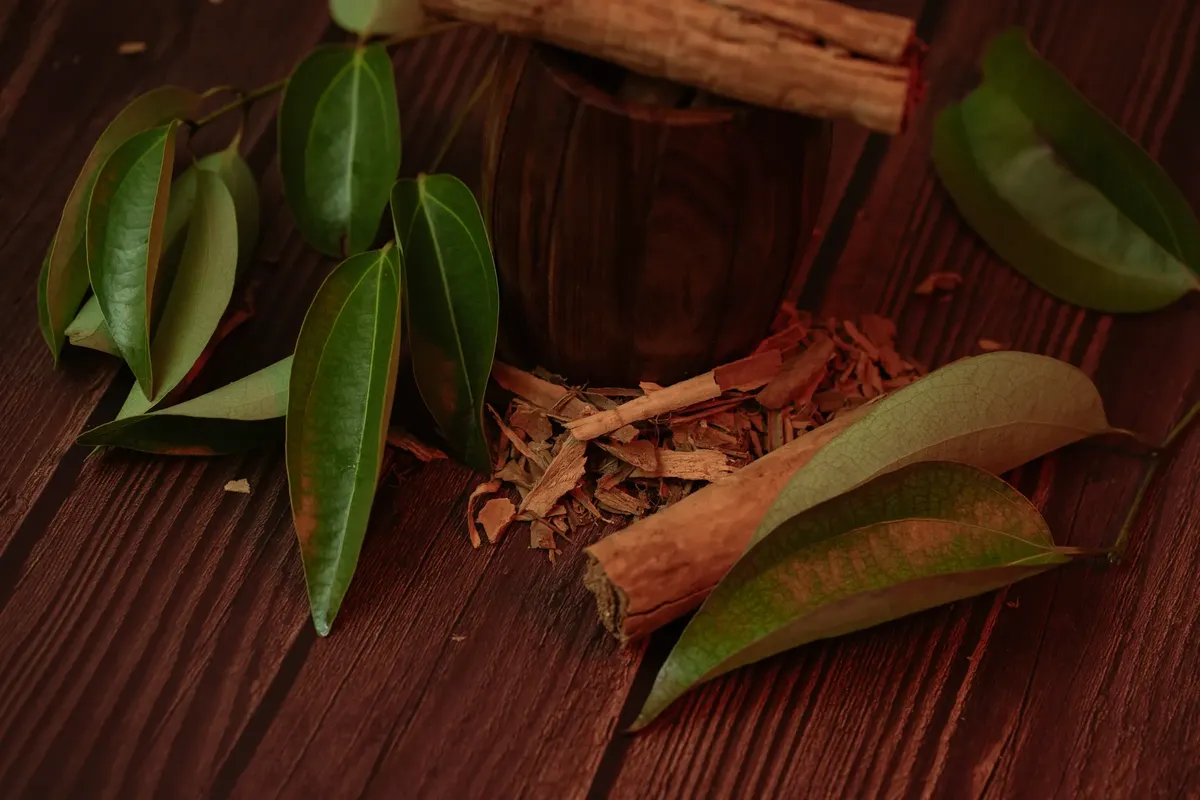
I remember sitting with a mentor who emphasized that understanding the origin of a treatment is as important as its intended effect. This careful approach helps in managing the complexities of modern health choices.
A limitation to these discussions is that the definition of "traditional" can change based on a country's specific health system and cultural history.
In this sequence, the second step is the most detailed.
Wikipedia: Herbal medicine (full) Based on the retained excerpt mentioning WHO: The World Health Organization (WHO) estimates that 80 percent of the population of some Asian and African countries presently uses herbal medicine for some aspect of primary health care.
The subject here is Herbal medicine science proof.
The same subject is also called Natural product medical basis.
The same subject is also called Ancient medicine modern view.
This part also covers Herbal formula modern test.
Herbal formula modern test
Related
- Herbal guide: Why 40% ancient texts suggest healing
- How can one adapt an Ayurveda cake modern recipe safely?
Disclaimer: This article is general information, not medical advice. Consult a qualified healthcare professional before taking any supplement or medication.

Comments 0