Lung Function: 5 Ways to Protect Your Body's Defense
"The lungs do more than just pull in oxygen; they manage the flow of energy and protect our outermost defenses."
The lungs serve as a central hub for regulating energy flow, maintaining skin health, and supporting the immune system. When lung function declines, you might notice more than just shortness of breath—dry skin and weakened immunity often follow.
Key Takeaways * Holistic Connection: The lungs influence energy distribution, skin moisture, and immune resilience. * Symptom Identification: Distinguish between dry coughs (moisture deficiency) and productive coughs (heat/congestion).
* Nutritional Support: Certain organ meats and specific herbs can support pulmonary vitality.
* Lifestyle Habits: Humidity control and rhythmic breathing are essential for maintaining lung "moisture." * Active Recovery: Moderate aerobic activity can significantly improve respiratory metrics.

How do the lungs manage our body's energy?
A late autumn afternoon settles in, and a cold wind rattles the windowpane. You sit on the living room sofa and let out a heavy, deep sigh, feeling a strange tightness in your chest as if the breath won't quite reach the bottom of your lungs.
In traditional wellness practices, the lungs are viewed as the primary conductors of energy throughout the body. They are responsible for a process often described as "descending"—the ability to take in fresh air and distribute clean energy downward while flushing out stale, heavy energy.
If this descending function is disrupted, energy can become "stuck" or rise upward inappropriately. This often manifests as a persistent cough or a feeling of chest oppression.
Furthermore, the lungs are believed to govern the skin and pores, acting as a protective barrier that regulates how the body interacts with the external environment.
In 2026, we continue to recognize the lungs as a vital engine for systemic vitality. Maintaining smooth energy flow is closely tied to how well the lungs can regulate this intake and distribution.
When I first started focusing on my breath in 2024, I noticed that my energy levels in the afternoon were directly tied to how shallow my breathing became during my morning meetings. I realized that if I didn't breathe deeply, my entire afternoon felt sluggish.
But understanding the theory is only half the battle; you also need to know what to look for when things feel off.

What symptoms should I look for if I'm coughing? It is late at night, and you suddenly bolt upright in bed, startled by a sharp, tickling cough. Your throat feels parched, and you toss and turn, feeling a sense of constriction in your chest.
Not all coughs are created equal. Understanding the specific nature of your respiratory symptoms can help identify what your body might be lacking.
| Symptom Type | Traditional Interpretation | Primary Characteristics |
|---|---|---|
| Dry Cough | Lung Fluid Deficiency | Irritated airways and a sensation of internal heat |
| Productive Cough | Phlegm and Heat | Thick, yellow, or sticky mucus production |
| Shortness of Breath | Lung Energy Deficiency | Feeling winded after minimal physical effort |
| Dry/Itchy Skin | Skin-Lung Connection | Rough skin texture and high sensitivity to irritants |
Physical changes in the lungs can have direct impacts on breathing mechanics. According to the Journal of applied physiology, in experiments involving papain-treated rabbits, lung resistance showed an increase of 91 +/- 63.
If a cough lasts more than two weeks, it is important to look beyond a simple cold. When experiencing shortness of breath, try to sit quietly for 5 to 10 minutes to observe your breathing pattern. Note whether you experience more than 3 or 4 bouts of coughing per day.
Identifying these patterns is crucial, but knowing how to nourish the system is the next step in recovery.
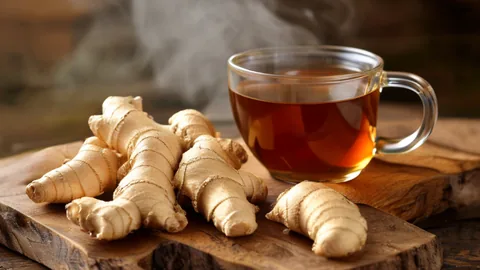
What herbs and nutrients can help my lungs? You wrap your hands around a warm ceramic mug, feeling the heat seep into your palms. The subtle, earthy scent of herbal tea rises in a thin stream of steam, momentarily calming your racing thoughts. According to the Journal of applied physiology (Bethesda, Md.
: 1985), papain-treated rabbits showed an increased lung resistance of 91 +/- 63.
Traditional approaches to lung health often focus on three goals: nourishing fluids, boosting energy, or clearing heat.
- Ophiopogon japonicus: Often used to replenish fluids and soothe dry, hacking coughs.
- Platycodon grandiflorus: Helps direct energy and assists in clearing mucus.
- Astragalus membranaceus: Aimed at strengthening energy and supporting immune resilience.
- Fritillaria: Used to clear internal heat and reduce congestion.
Nutrition also plays a massive role in maintaining systemic energy. According to USDA FoodData Central, raw beef lungs (per 100g) provide 16.2g of protein, 7.95mg of iron, and 3.81ug of Vitamin B12.
Similarly, raw lamb lungs (per 100g) contain 16.7g of protein, 6.4mg of iron, and 3.93ug of Vitamin B12. These nutrients are essential for maintaining the energy levels required for bodily repair.
To incorporate these into a routine, you might simmer herbs in 1 liter of water over low heat for about 30 to 40 minutes. Pairing this with a diet rich in fresh vegetables can help maintain a steady nutritional baseline.
While diet and herbs provide the building blocks, your daily environment determines how well those nutrients are utilized.
How to manage lung health in daily life
You wake up early and swing the window open, breathing in the crisp, morning air. As you inhale deeply, you visualize the air traveling into every small corner of your lungs.
A 12-week intervention program was shown to significantly improve pulmonary functions and quality of life, according to Respiratory medicine (2024).
Because the lungs are so sensitive to their environment, daily habits are your first line of defense.
- Practice Diaphragmatic Breathing: Focus on "belly breathing" to ensure air reaches the lower lobes of the lungs.
- Control Indoor Humidity: Dry air can strip the protective moisture from your airways. Use a humidifier or even a bowl of water near a heat source to keep levels steady.
- Stay Hydrated: Drinking warm water frequently helps keep the mucosal lining of the respiratory tract moist.
- Consistent Aerobic Activity: Regular movement helps expand lung capacity and smooths energy flow.
The benefits of structured activity are well-documented. According to Scientific reports, a specific intervention group saw a significant increase in a 6-minute walk distance (6-MWD) of 5%.
Daily Lung Care Checklist: 1. Take a 15–20 minute light walk every morning with deep, rhythmic breaths. 2. Maintain indoor humidity between 40% and 60%. 3. Sip 1.5 to 2 liters of lukewarm water throughout the day.
Even with these habits, it is important to recognize that not every approach works for every person.

Limitations and Precautions
You carefully open a package of dried herbs, inspecting the color and texture of each piece. You weigh the options, wondering which approach is safest for your specific body type.
Traditional wellness approaches are highly individualized. For instance, using "warming" herbs on someone who already has excess "heat" in their lungs could potentially worsen symptoms.
Furthermore, if you are currently taking prescription medications, you must check for potential interactions with herbal supplements. This information is intended for educational purposes and does not replace professional medical diagnosis or treatment.
If respiratory symptoms persist or worsen, seek medical attention immediately.
In 2026, these methods should be viewed as complementary to, not replacements for, modern medical care. Always consult a professional before making significant changes to your supplement or dietary regimen.







Comments 0