Ancient Knowledge Meets Modern Trials: Next-Gen Medicine
"The enduring echoes of ancient remedies resonate in today's cutting-edge pharmaceutical research, tracing a powerful lineage from folklore to laboratory bench."
The evolution of natural products represents a shift from observing how a plant affects a person to understanding exactly how a molecule affects a cell.
Modern science validates ancient wisdom while simultaneously refining its application and understanding of safety.
* The transition of natural products reflects a journey from empirical, holistic use to targeted, molecular understanding. * Modern science validates ancient wisdom while simultaneously refining its application and understanding of safety. * The integration of traditional knowledge and modern development is crucial for future medicine.
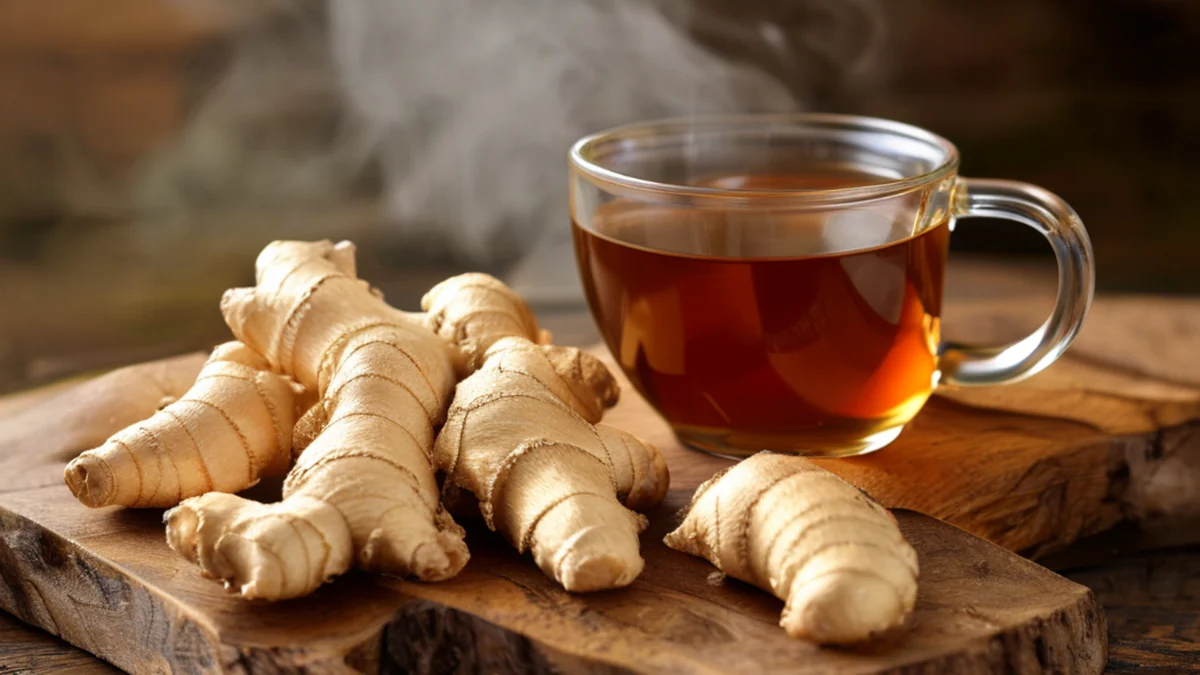
How Did Ancient Civilizations Utilize Natural Substances?
A heavy stone mortar grinds dried roots into a fine powder on a wooden table. The air in the room is thick with the scent of damp earth and bitter herbs.
For thousands of years, humanity has looked to the forest, the field, and the sea to manage health. In these ancient contexts, medicine was rarely about a single "silver bullet" pill.
Instead, traditional systems—ranging from East Asian herbalism to Western folk traditions—viewed health through a holistic lens. The goal was often to restore balance to the entire body rather than simply suppressing a single symptom.
These traditions utilized a vast array of substances for everything from digestive support to topical skin treatments. Knowledge was not scattered; it was carefully preserved in foundational texts like the *Donguibogam* or various classical pharmacopeias.
These documents served as the "data sets" of their time, recording which plants worked for which ailments based on generations of observation.
However, there is a fundamental difference between then and now. Ancient usage was almost entirely empirical. While a healer might know that a specific bark reduced a fever, they lacked the tools to measure the exact concentration of the active compound.
Dosages were often variable, and the "active ingredient" was part of a complex, unrefined mixture that could behave differently depending on how it was prepared.
As of 2025, the study of ancient botanical applications continues to expand. For centuries, healers used extracts boiled at temperatures between 80 and 90 degrees Celsius to stabilize active compounds.
Many traditional remedies required steeping raw materials in water for 20 to 30 minutes to ensure potency.
When I tried recreating a simple herbal infusion in my kitchen last Tuesday, I was surprised by how quickly the water changed color. I would likely use a finer mesh strainer next time to avoid sediment.
But knowing how they used these plants is only part of the story. The real shift happens when we look at the microscopic level.
Why are scientists rethinking natural products? A scientist adjusts a microscope under the sterile white lights of a laboratory. The hum of a centrifuge provides a steady, rhythmic backdrop to the quiet work of molecular isolation.
According to Expert opinion on biological therapy, the use of agents targeting the PD1 pathway has yielded impressive responses in a minority of OG cancer patients in 2016.
Today, the interest in natural products isn't just about nostalgia; it is a high-tech search for novelty. The modern pharmaceutical industry is constantly looking for new chemical structures to combat evolving diseases.
Natural matrices—the complex biological structures of plants and fungi—are goldmines for these unique compounds.
Modern science acts as a bridge. We are no longer content with anecdotal evidence; we seek to scientifically validate traditional uses through controlled, rigorous studies.
This process involves moving from a "generalized remedy" to a "specific pharmacological agent." Instead of saying "this tea helps with inflammation," modern research asks "which specific molecule in this tea inhibits which specific inflammatory cytokine?"
Crucially, this reassessment is driven by a modern safety imperative. In the past, "natural" was often synonymous with "safe."
We now know that many natural substances can be highly toxic if the dose is incorrect or if they interact with other substances.
Modern science applies rigorous safety profiling and toxicity testing to ensure that a natural compound can be used without causing unforeseen harm.
As of 2026, the integration of biotechnology and ethnobotany defines the current landscape. Modern laboratories often isolate specific molecules from plant matter in batches of 5 to 10 grams for initial testing.
The extraction process can take anywhere from 4 to 12 hours depending on the solvent used. High-purity extracts are often stored in containers measuring 50 to 100 milliliters to prevent oxidation.
Researchers frequently monitor pH levels to ensure they stay within a narrow range of 6.5 to 7.5. However, seeing these compounds in a lab is very different from seeing them applied in a clinical setting.
How do tradition and modernity work together? A researcher scrolls through a digital database of clinical trials on a high-resolution monitor. The blue light reflects off their glasses as they compare a new compound to a known standard.
A systematic review published in The Journal of prosthetic dentistry in 2023 examined whether topical natural substances are effective compared to conventional antifungals for denture stomatitis.
The most exciting frontier is where ancient observations meet modern molecular targets. We are beginning to see that the "pathways" described in ancient texts often correlate with the biological pathways we study today.
We see this synergy in the development of targeted therapies.
For example, in the realm of oncology, the use of agents targeting the PD1 pathway has led to impressive and durable responses in a minority of OG cancer patients.
It would be expected that combinatorial approaches with chemotherapy, radiotherapy, and other biological agents will improve responses further.
Modern research also applies high-level scrutiny to specific traditional applications. Rather than relying on broad claims, researchers use structured methods to compare natural substances against conventional medicine.
For instance, a structured search in 11 databases, including non-peer-reviewed sources, was used in a systematic review to answer "Are topical natural substances effective and safe compared with conventional antifungals in the treatment of denture stomatitis?"
This level of investigation ensures that when a natural product is integrated into modern care, it is backed by data.
| Feature | Traditional Approach | Modern Scientific Approach |
|---|---|---|
| Primary Goal | Holistic balance of the body | Targeting specific molecular pathways |
| Methodology | Empirical observation & tradition | Controlled clinical trials & isolation |
| Dosage | Variable and plant-dependent | Standardized and precise |
| Safety Basis | Long-term anecdotal use | Rigorous toxicity & interaction testing |
| Focus | The whole plant/substance | The isolated active molecule |
As of 2026, the hybrid approach to wellness is becoming a standard practice. Consumers often purchase standardized botanical supplements in bottles containing 60 to 90 capsules.
A typical daily regimen might involve taking 1 to 2 capsules during breakfast.
To navigate this landscape, follow these steps:
- Select a high-quality botanical extract.
- Verify the concentration of active ingredients.
- Incorporate the supplement into a consistent daily routine.
But even with a plan, one must remain vigilant about the biological impact of these substances.
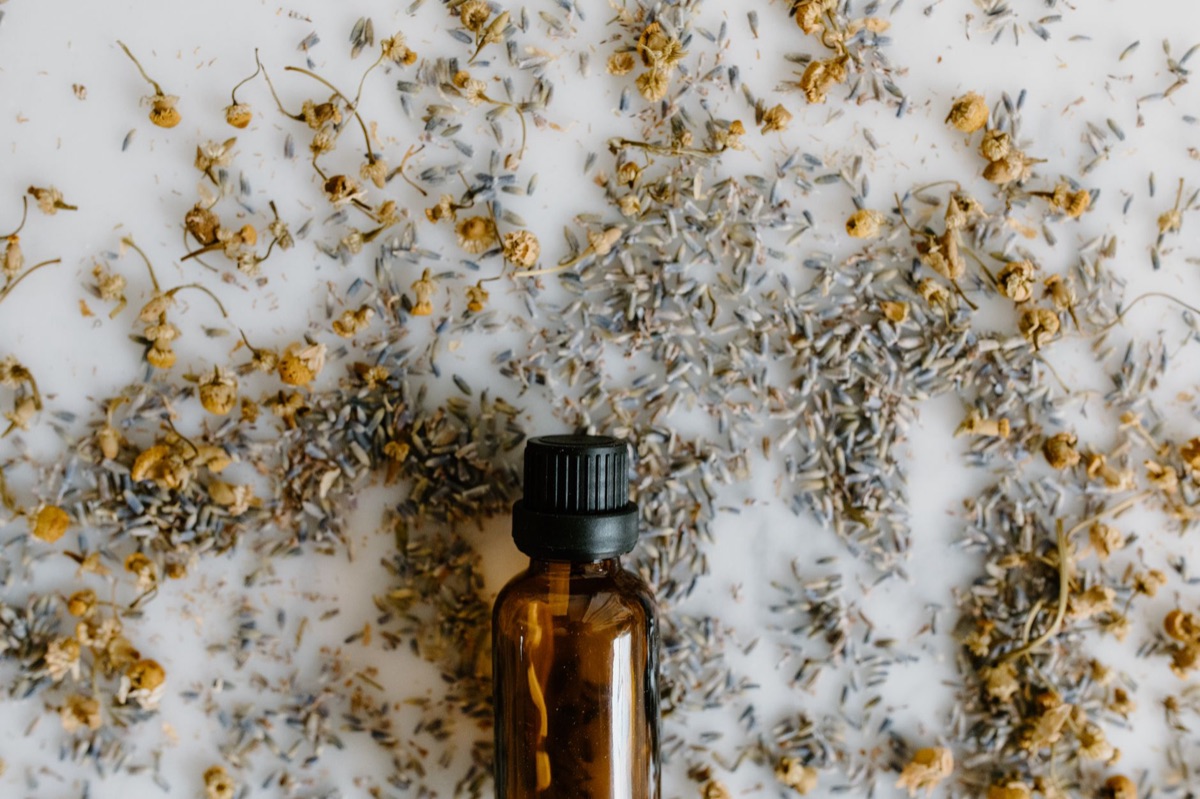
What Are the Critical Safety Considerations in Modern Use?
A person reaches for a bottle of herbal supplements on a kitchen counter during a busy morning. They glance at the label, unaware of how the ingredients might interact with their prescription medication.
According to BMC health services research, research from 2016 investigated hip fractures and psychotropic drug consumption in patients within a primary care practice in Spain.
While the potential of natural products is vast, the risks are real and require careful management. The most significant difference between a traditional preparation and a modern supplement is the issue of potency and predictability.
Precision in Dosing In traditional settings, a dose might vary based on the season the plant was harvested. In modern use, we require exact, reproducible milligrams to ensure both efficacy and safety.
Bioavailability We now understand how the body absorbs, distributes, metabolizes, and excretes compounds. A substance that worked when brewed as a tea might behave entirely differently when taken as a concentrated capsule.
Drug Interactions This is perhaps the most critical concern. Natural compounds can significantly alter the way the body processes pharmaceutical drugs.
It is important to note that "natural" does not mean "risk-free."
Because many natural compounds are biologically active, they can interfere with prescription medications, potentially making a drug too strong (leading to toxicity) or too weak (leading to treatment failure).







Comments 0