Natural products vs tradition: 80 percent use herbs
"The use of traditional medicine is a global phenomenon, but the line between natural healing and unregulated risk is often thin."
While traditional products provide cultural and primary health care value, the tension between natural products vs tradition also poses significant risks related to adulteration and illegal marketing.
This guide examines the efficacy and dangers of natural products versus tradition, noting that although many people rely on these methods, safety is not guaranteed.
You will learn about global usage patterns, the reality of pharmaceutical additives, and the regulatory challenges involved in herbal medicine safety.
How widely is traditional medicine used?
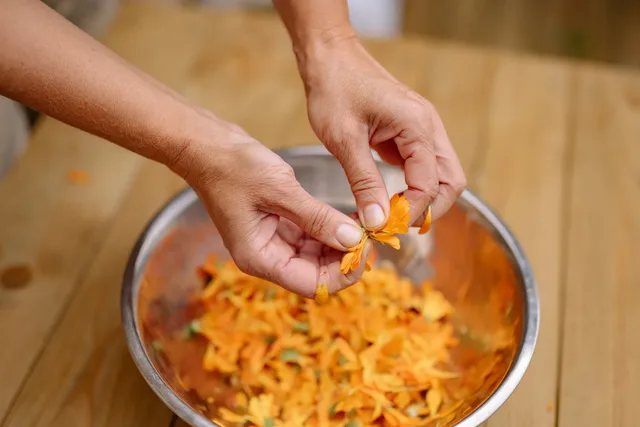
A person sits in a quiet clinic in Southeast Asia, sipping a warm herbal infusion while waiting for a consultation. This practice is part of a massive global trend where traditional, complementary, or integrative medicine plays a central role in daily life.
The World Health Organization (WHO) estimates that 80 percent of the population in some Asian and African countries uses herbal medicine for primary health care.
According to a 2024 World Health Organization global survey, two-thirds of countries globally report at least 40% of their population uses traditional, complementary, or integrative medicine; reported usage is higher among African and Southeast Asian countries.
The World Health Organization (WHO) estimates that 80 percent of the population of some Asian and African countries presently uses herbal medicine for some aspect of primary health care.
These figures illustrate the massive scale of herbal medicine safety reliance in specific regions. While these methods are deeply embedded in social structures, the sheer volume of users necessitates rigorous oversight to prevent widespread health complications.
What are the risks of natural drug risks?
A consumer reaches for a bottle labeled "natural" on a supermarket shelf, feeling a sense of security in the green packaging. However, the reality of natural drug risks often involves hidden substances that are not listed on the label and can lead to drug interaction risks.
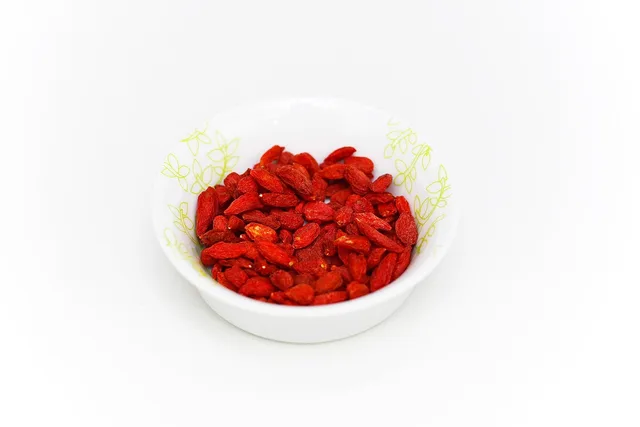
The safety of these products is a major concern for regulators. In a 2018 study, the FDA identified active pharmaceutical additives in over 700 analyzed dietary supplements sold as "herbal", "natural" or "traditional".
This means that what people believe to be a simple plant extract might actually contain potent, undisclosed drugs.
Furthermore, the integrity of labeling is frequently compromised. Research has shown that nearly 60 percent of products surveyed had ingredients that did not match what was on the label. This discrepancy makes it difficult for patients to manage their health safely.
Regulating herbal medicine safety: natural products vs tradition
An inspector in a laboratory examines a batch of botanical extracts under a microscope to ensure purity. To combat the lack of standardization, various international bodies have established frameworks to manage herbal medicine safety.
The European Medicines Agency provided criteria in 2017 for evaluating and grading the quality of clinical research in preparing monographs about herbal products. These guidelines aim to bring a level of scientific rigor to the assessment of efficacy and safety.
Despite these efforts, enforcement remains a constant battle. Over the years 2017–2021, the US Food and Drug Administration (FDA) issued warning letters to numerous herbalism companies for illegally marketing products under conditions that cause them to be drugs.
Is there clinical value in nature?
A researcher pores over data sheets in a university office, looking for patterns in botanical efficacy. Finding the clinical value in nature requires moving beyond anecdotes to validated, peer-reviewed evidence.
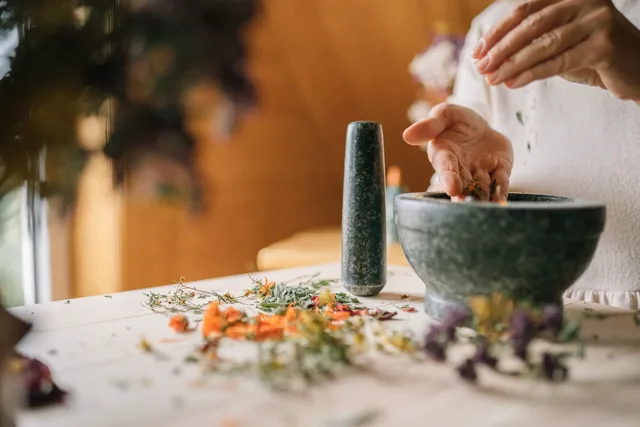
While some traditional systems claim high success rates, scientific scrutiny is essential. For example, while some studies highlight specific successes in integrated hospital settings, other data points to significant dangers.
Philips' reviews highlight elevated mortality rates of 10–19% in Indian HILI cohorts and over 50% in those with underlying liver disease, contrasting with unsubstantiated claims of herb safety in traditional systems.
The medical evidence of herbs is often inconsistent. While some plants offer nutritional support, others can interact dangerously with prescribed medications or exacerbate existing conditions like liver disease.
How can I evaluate traditional formula value?
A mother looks closely at the ingredient list of a supplement before deciding whether to give it to her child. Evaluating traditional formula value requires a cautious approach, especially for vulnerable populations.
If you are considering using these products, follow these steps:
- 2. Check for third-party certifications that validate the ingredient list matches the label. 3. Consult a healthcare professional to check for potential interactions with existing medications.
I always check if a product makes "miracle" claims, as these are often red flags for illegal marketing.
It is also important to note that few studies are available on the safety of herbs for pregnant women, and one study found that use of complementary and alternative medicines is associated with a 30% lower ongoing pregnancy and live birth rate during fertility treatment.
- Verify the source of the ingredients.
- Check for standardized concentrations.
- Consult a qualified practitioner.
In this sequence, the second step is the longest.
Comparing usage and risks
The following table compares the scale of usage against the documented risks found in various studies.
| Aspect | Reported Statistic/Finding |
|---|---|
| Adulterated Supplements (FDA 2018) | Over 700 products with additives |
The data shows a massive gap between the widespread reliance on these products and the lack of consistent purity.
Wikipedia: Herbal medicine (full) Based on the retained excerpt mentioning WHO: The World Health Organization (WHO) estimates that 80 percent of the population of some Asian and African countries presently uses herbal medicine for some aspect of primary health care.
The efficacy and safety of natural products remain a complex issue due to high global usage and significant risks of adulteration and false marketing.
Disclaimer: This article is general information, not medical advice. Consult a qualified healthcare professional before taking any supplement or medication.



Comments 0