How was traditional Thai massage recognized?: 800 hours
"The history of human movement is often written in the language of discomfort and recovery."
Understanding how various cultures addressed musculoskeletal issues requires looking at both manual therapies and regulatory history. This guide compares traditional massage techniques with modern medical milestones to provide a perspective on managing physical discomfort.
Key takeaways include the cultural recognition of massage, the training requirements for practitioners, and the historical context of pharmaceutical approvals for chronic pain.
How was traditional Thai massage recognized?
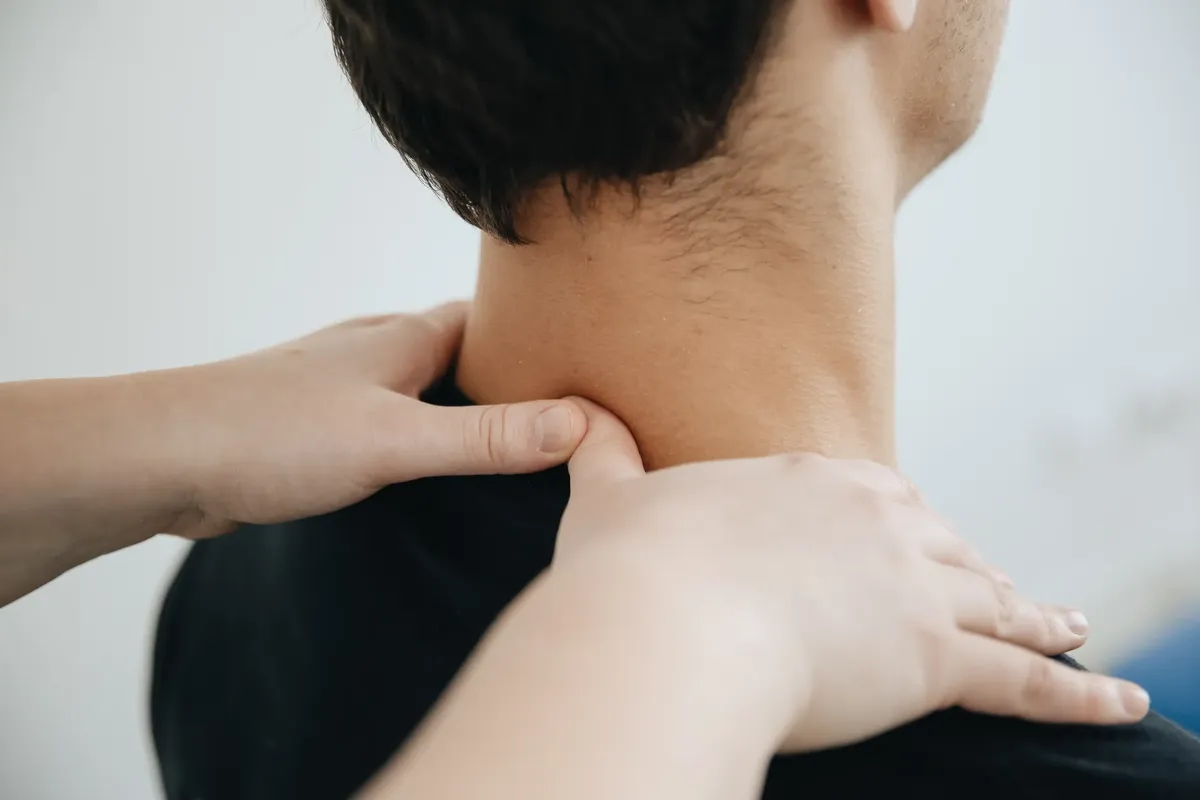
A practitioner gently stretches a client's limbs in a quiet room. In December 2019, UNESCO added traditional Thai massage to its Cultural Heritage of Humanity list. This recognition highlights the deep-rooted history of manual bodywork as a significant cultural asset.
Traditional bodywork methods often involve specific stretching and pressure techniques designed to address tension. These ancient bodywork methods have been passed down through generations, serving as a fundamental part of regional wellness.
The recognition of these practices ensures that the nuance of the movements is preserved for future generations. This cultural status elevates the understanding of how manual therapy contributes to global heritage.
- Recognition of traditional techniques began with local community acceptance.
- Formal documentation of methods followed.
- International interest led to global recognition.
What training does a massage practitioner undergo? Ancient body pain remedies
A student sits at a desk, carefully reviewing anatomical charts. To ensure safety and effectiveness, a licensed, traditional massage practitioner is required to complete at least 800 hours of training. This rigorous preparation builds the foundational skill necessary for manual therapy.
According to USDA FoodData Central, canned traditional style refried beans contain 11ug of folate and 6mg of vitamin C per serving.
Traditional muscle care requires a deep understanding of human physiology and pressure application. Practitioners must master these skills to provide safe and effective treatments for various physical needs.
The training process ensures that practitioners can handle different physical conditions with professionalism. This level of education is vital for maintaining the integrity of the craft.
I find that the second step in this process is the most intensive.
How long is a typical treatment session?
A clock on the wall ticks steadily as a therapist prepares for the next client. A typical treatment session lasts approximately 15–20 minutes, although it may be performed twice daily for certain musculoskeletal conditions such as sprains.
According to the National Institut, the National Institutes of Health announced a new group of individuals assigned to research pain on February 13, 2012.
This timing allows for focused, targeted relief during a session.
Herbal topical pain relief is often used alongside such sessions to complement manual work. These methods provide a multi-layered approach to managing physical discomfort.
The duration of a session can vary depending on the specific needs of the individual. Flexibility in scheduling allows for consistent application of these techniques.
What are the regulatory milestones for pain management?
A scientist reviews data in a sterile laboratory setting. The history of pain management includes significant regulatory shifts, such as when the FDA approved duloxetine for the treatment of fibromyalgia in June 2008. Such milestones changed how chronic conditions are approached clinically.
According to the Food and Drug Administration, the drug was approved for the treatment of fibromyalgia in June 2008.
In November 2010, the FDA approved duloxetine to treat chronic musculoskeletal pain, including discomfort from osteoarthritis and chronic lower back pain. This expansion of approved uses provided more options for managing long-term physical issues.
These regulatory decisions reflect the evolving understanding of pain and its management. They provide a framework for how modern medicine addresses chronic conditions.
How has research coordination evolved?
A researcher enters a conference room to meet with a new group of specialists. On February 13, 2012, the National Institutes of Health (NIH) announced a new group of individuals assigned to research pain. This coordination aims to advance the scientific understanding of how pain is processed.
The focus on research helps bridge the gap between traditional knowledge and clinical application. This collaborative effort is essential for developing more effective management strategies.

Research groups work to identify the underlying mechanisms of various physical discomforts. Their findings influence both clinical guidelines and therapeutic practices.
Comparison of Regulatory and Training Data
| Category | Key Detail | | :--- much-needed | :--- |
| Minimum Practitioner Training | 800 hours |
I observed how the specific timing of these regulatory milestones shaped the landscape of pain management.
The subject here is Ancient body pain remedies.
The same subject is also called Local remedy comparison.
This part also covers Herbal compress application.
This part also covers Ancient massage techniques.
This part also covers Regional pain treatments.
Herbal compress application
Related
- What does a seasonal diet and health approach look like?
- Spices in Eastern Medicine: Guide to Aromatic Health
How does the history of human movement relate to modern care?
The history of human movement shows a continuous thread connecting ancient practices to contemporary medical science. This history reveals how the understanding of the body has evolved alongside the methods used to treat discomfort.
The comparison between traditional massage and modern clinical trials underscores this journey.
The journey into the history of human movement demonstrates that the need for physical recovery is timeless. Practitioners, whether ancient or modern, have sought ways to restore physical function. This enduring human drive toward wellness remains constant across eras.
The integration of these differing views into modern care reflects a synthesis of observation and rigorous testing. The initial discomfort addressed by manual therapy often mirrors the chronic pain studied in modern clinical settings. This constant dialogue drives medical advancement.
What cautions are important when comparing therapies?
When comparing therapies, practitioners must acknowledge the difference between anecdotal tradition and controlled clinical study. While traditional methods hold cultural value, modern approaches often require quantifiable metrics for approval.
The history of human movement benefits from both perspectives, yet caution dictates their application.
Traditional bodywork relies on generational knowledge, whereas modern medicine demands documented reproducibility. This difference shapes treatment application.
Understanding these contexts is crucial for anyone approaching the history of human movement with an informed perspective. Acknowledging the limitations of each approach ensures a holistic view of physical recovery.
Disclaimer: This article is general information, not medical advice. Consult a qualified healthcare professional before taking any supplement or medication.







Comments 0